
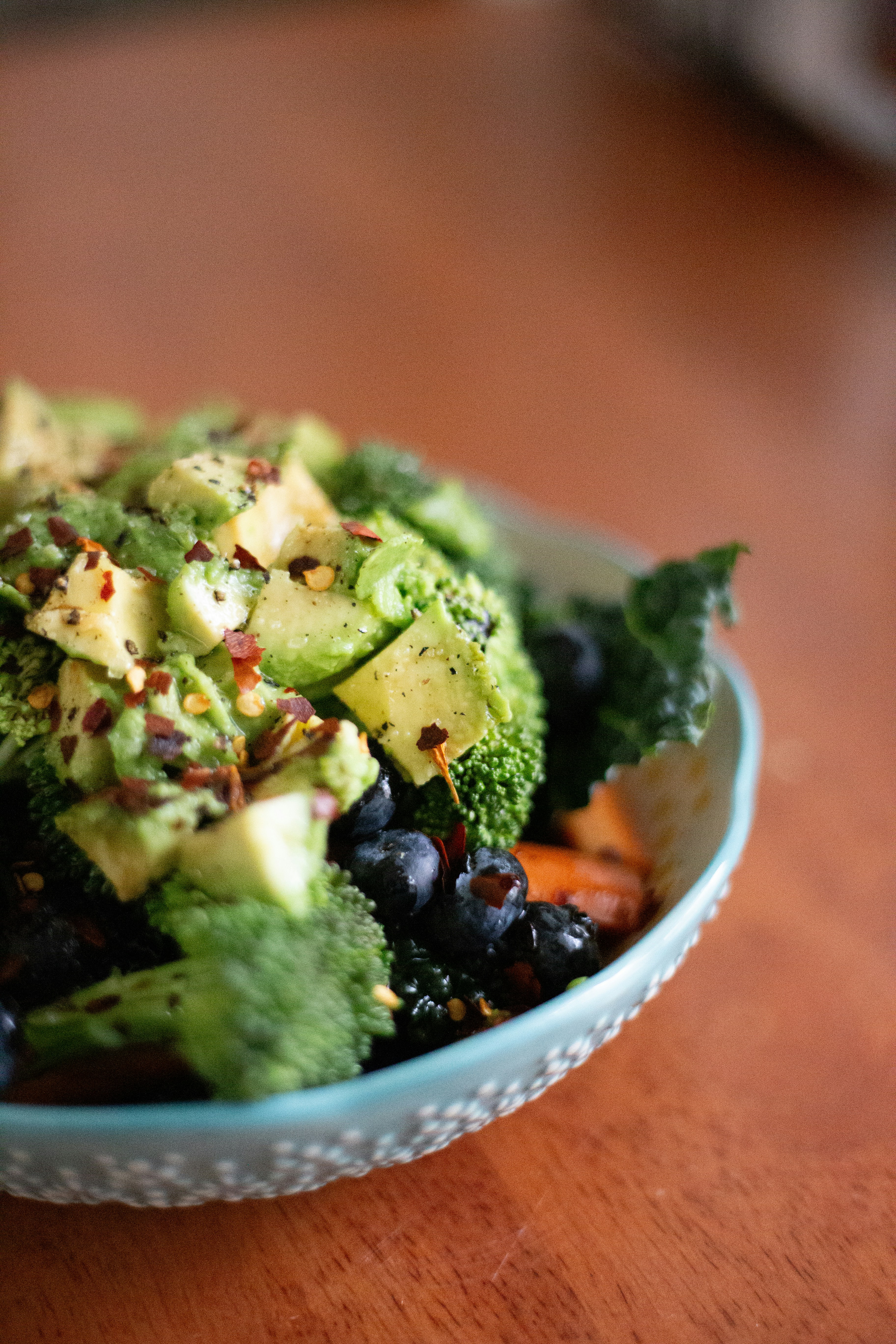
Introduction to Superfoods
Superfoods are nutrient-dense foods that offer exceptional health benefits to those who consume them. Characterized by their high levels of vitamins, minerals, and antioxidants, superfoods are often considered to be among the healthiest options available. They are not a specific food category but rather a composite of various foods that have been shown to provide extensive health benefits, particularly for children. As children’s bodies and brains are developing, incorporating superfoods into their diets can significantly enhance their nutritional intake.
One of the primary benefits of superfoods is their ability to support immunity, which is crucial for children, especially during the school year when they are more prone to illnesses. Foods such as blueberries, sweet potatoes, and spinach are not only delicious but also packed with vital nutrients that can help strengthen the immune system. Additionally, these foods play a critical role in fostering proper growth and development. Nutrients such as calcium, iron, and vitamins A, C, and D are imperative for strong bones, cognitive function, and overall well-being.
Moreover, superfoods help in maintaining energy levels, which is essential for children who are often engaged in physical activities and learning. Foods rich in complex carbohydrates, such as quinoa and oats, provide lasting energy without sugar spikes, making them excellent choices for youthful vitality. Incorporating superfoods into snacks and meals can also encourage healthier eating patterns from a young age, setting the foundation for lifelong health.
In summary, superfoods offer numerous nutritional benefits that are particularly advantageous for children. By introducing these foods into their diets, caregivers can help promote enhanced health, robust immunity, and proper development, all while ensuring that children enjoy flavorful and varied meals. This makes the exploration of superfoods an important consideration for fostering a balanced and nutritious upbringing.
The Importance of Nutrition for Kids
Proper nutrition is fundamental to the overall growth and development of children. Balanced nutrition provides the essential nutrients that support cognitive growth, physical health, and emotional well-being, ultimately laying the foundation for a healthy future. Nutrients such as vitamins, minerals, proteins, and healthy fats contribute significantly to a child’s ability to learn, play, and thrive. For instance, omega-3 fatty acids found in fish are crucial for brain development, while calcium and vitamin D are vital for strong bones and teeth.
However, parents often face numerous challenges in ensuring their children consume a well-rounded diet. Many children tend to be picky eaters, gravitating towards processed snacks and sugary treats that lack nutritional value. This preference can make it difficult for parents to provide the essential nutrients their growing children need. Additionally, the fast-paced lifestyle of modern families frequently leads to reliance on convenience foods, which are often low in essential nutrients.
In light of these challenges, superfoods play a crucial role in bridging the nutritional gap in children’s diets. Superfoods are nutrient-dense foods that offer significant health benefits, and their incorporation into daily meals can promote better eating habits. Examples include blueberries, rich in antioxidants that support cognitive function, and leafy greens, packed with vitamins A and K that contribute to bone health. By integrating these superfoods into children’s meals, parents can help them receive vital nutrients in a tasty and appealing manner.
Ultimately, understanding the importance of nutrition for kids is essential for fostering their development and lifelong health. By prioritizing nutritious foods, especially superfoods, parents can help cultivate healthy eating habits that will benefit their children now and in the future.
Top 10 Kid-Friendly Superfoods
In the quest for nutritious and appealing foods for children, superfoods offer an excellent option. Below are ten superfoods that not only provide substantial health benefits but are also kid-friendly in taste and texture.
1. Blueberries: These small, vibrant fruits are packed with antioxidants and vitamins. Blueberries can enhance memory and aid in brain development, making them a smart snack choice for children.
2. Sweet Potatoes: Rich in vitamins A and C, sweet potatoes are a versatile food that provides essential nutrients while being naturally sweet, which appeals to kids. Their creamy texture adds variety to meals.
3. Greek Yogurt: Greek yogurt is a protein powerhouse that aids muscle growth and digestive health. It can be enjoyed plain or mixed with fruits and honey to satisfy children’s taste buds.
4. Spinach: Often disregarded, spinach is loaded with iron, calcium, and vitamins K and A. By blending it into smoothies or incorporating it into pasta dishes, parents can introduce this superfood subtly.
5. Oats: A fiber-rich breakfast option, oats can help sustain energy throughout the day. By preparing them with natural sweeteners or fruits, oats become a delicious and healthy start to any morning.
6. Almonds: Almonds are a great source of healthy fats and protein, making them an ideal snack. Their crunchy texture and natural sweetness can be appealing to kids, especially if introduced at a young age.
7. Quinoa: This whole grain is high in protein and contains all nine essential amino acids. Quinoa’s fluffy texture and nutty flavor make it an excellent substitute for rice or pasta in various dishes.
8. Avocado: Packed with healthy monounsaturated fats, avocados contribute to heart health and brain development. Their creamy texture makes them enjoyable in salads, spreads, or as a simple dip.
9. Bananas: Easily one of the most beloved fruits, bananas are rich in potassium and fiber. Their soft texture and natural sweetness make them a perfect snack or addition to smoothies.
10. Chia Seeds: These tiny seeds are rich in omega-3 fatty acids, fiber, and protein. Chia seeds can be added to smoothies, puddings, or cereals, providing a simple way to boost nutritional content.
These ten superfoods can help improve the overall quality of children’s diets while also catering to their taste preferences. Incorporating these foods regularly can facilitate healthier eating habits, setting the foundation for lifelong wellness.
Fun and Easy Ways to Include Superfoods in Meals
Incorporating superfoods into your child’s diet can be both fun and effortless. These nutrient-rich foods offer numerous health benefits, and presenting them in a playful manner can encourage kids to try them. One simple approach is to blend superfoods into familiar recipes that children already enjoy. For example, spinach, known for its high iron and vitamin content, can be easily hidden in smoothies. By combining spinach with bananas, yogurt, and a little honey, you create a vibrant green smoothie that tastes delicious while providing a nutritional boost.
Another effective method is to use superfood powders, such as cacao or maca powder, in baked goods. Adding these powders to muffins or pancakes not only enhances the flavor but also fortifies them with antioxidants and energy-boosting properties. Children are often enthusiastic about helping in the kitchen, so involving them in the preparation process can make them more excited to eat the end product.
Make fruit and vegetable snacks more appealing by presenting them in fun shapes. Use cookie cutters to create star, heart, or animal shapes from fruits like watermelon or kiwi, and serve them with a side of yogurt dip. This playful approach can make nutritional foods more enticing and enjoyable for kids.
Additionally, consider creating colorful veggie wraps using whole grain tortillas. Spread hummus or avocado on the tortillas and layer with a variety of colorful vegetables such as bell peppers, carrots, and purple cabbage. These wraps are visually appealing and provide a plethora of vitamins that support a growing child’s health.
Ultimately, the key to making superfoods a regular part of your child’s meals lies in creativity and presentation. By finding ways to include these nutrient-dense foods in enjoyable formats, you can help children develop a taste for healthier options while ensuring they receive essential nutrients.
Kid-Friendly Superfood Snacks
Finding nutritious snacks for children that align with their tastes and preferences can sometimes be a challenging task. However, incorporating superfoods into their diet can enhance both the nutritional profile and enjoyment of their snacks. Superfoods are often rich in vitamins, minerals, and antioxidants, making them an advantageous addition to a child’s dietary regimen.
One creative way to introduce superfoods is through smoothies. Blending spinach or kale with fruits such as bananas and berries can create a delicious drink that hides the vegetables while providing essential nutrients. Adding a scoop of yogurt or a dash of honey can further enrich the smoothie, making it a go-to option for after school refreshment.
Another appealing snack idea is energy balls. These can be made by combining oats, nut butter, and a variety of superfood ingredients like chia seeds or flaxseeds. Children can easily participate in the preparation, choosing their favorite additions like dark chocolate chips or dried fruit. These no-bake treats are also portable, making them perfect for active playdates or lunches.
Fruit and vegetable dips are additional options that can transform snacking into a fun, interactive experience. For instance, aquafaba-based hummus can be paired with carrot sticks and cucumber slices, enticing kids to consume more vegetables. Additionally, yogurt-based dips can be made with superfood ingredients like matcha or spirulina, offering a flavorful twist to fruit slices such as apples or strawberries.
Overall, the importance of healthy snacking in a child’s diet cannot be overstated. By integrating superfoods into enjoyable snacks, parents can promote better eating habits. These simple, kid-friendly ideas not only satisfy cravings but also contribute to a balanced diet, providing children with the energy and nutrients they need to thrive.
Smoothies: The Superfood Solution
Smoothies represent a versatile and enjoyable way to incorporate various superfoods into children’s diets. With an endless variety of ingredients and flavor combinations, smoothies can become a daily staple for families seeking to improve nutrition. These nutrient-dense beverages can be customized to meet a child’s taste preferences while ensuring they receive essential vitamins and minerals.
To begin creating kid-approved superfood smoothies, one can start with a base of fruits. Common choices include bananas, strawberries, and blueberries, all of which provide natural sweetness and are rich in antioxidants and vitamins. Adding spinach or kale introduces leafy greens without compromising flavor, as these vegetables blend seamlessly into the smoothie. This fusion of sweetness and nutrition makes the drink appealing to children.
For added benefits, include superfoods such as chia seeds, flaxseeds, or hemp hearts. These ingredient enhancements offer rich sources of omega-3 fatty acids, fiber, and protein. To create a balanced smoothie, consider incorporating a scoop of Greek yogurt or a dairy-free alternative. This not only adds a creamy texture but also ensures that children receive probiotic benefits for a healthy gut.
Here are a couple of kid-friendly smoothie recipes to try:
Berry Banana Spinach Smoothie:
Blend one banana, one cup of mixed berries, one cup of spinach, one tablespoon of chia seeds, and one cup of almond milk until smooth.
Tropical Green Smoothie:
Combine one cup of frozen mango, one banana, one cup of kale, one tablespoon of flaxseed, and one cup of coconut water in a blender for a refreshing treat.
In addition to the recipes, encourage children to participate in making their smoothies. This engagement fosters excitement and curiosity about healthy food choices. Ultimately, smoothies provide an excellent solution for parents looking to introduce superfoods into their children’s diets while delivering taste and nutrition in a convenient form.
Overcoming Picky Eating with Superfoods
Picky eating is a common challenge faced by many parents, often leading to frustrations when trying to provide healthy meals. Fortunately, the strategic incorporation of superfoods can help overcome this issue while ensuring that children receive the necessary nutrients. One effective approach involves gradual exposure. When introducing new superfoods, it can be beneficial to start with small portions mixed into meals that children already enjoy. For instance, adding a spoonful of pureed spinach or kale into a familiar pasta sauce can familiarize children with the taste and texture without overwhelming them.
Another useful strategy is pairing superfoods with favorite foods. Combining superfoods with items that children already love can increase their acceptance. For example, blending fruits such as blueberries or bananas into a smoothie alongside yogurt can create a nutritious yet appealing drink. The natural sweetness of these familiar ingredients can mask the flavors of certain superfoods, making them more palatable for selective eaters.
Creating a fun experience around food can also aid in encouraging children to try new options. Engaging children in the cooking process, allowing them to help prepare meals, can spark their curiosity and interest in the ingredients being used. This involvement not only fosters a sense of ownership over their meals but also introduces them to various superfoods in a playful manner. Offering a variety of textures and colors can further entice picky eaters, as children are often drawn to visually appealing meals.
Through creative strategies and thoughtful integration, parents can successfully introduce superfoods into their child’s diet, gradually transforming picky eating habits while enhancing their overall nutrition. Patience is essential during this process, as acceptance of new foods often occurs over time and with repeated exposure.
Creating a Superfood-Friendly Kitchen
Establishing a kid-friendly superfood kitchen begins with strategic planning, focusing on both pantry and refrigerator essentials. A great starting point is to incorporate a variety of superfoods that not only are nutritious but also appeal to children’s tastes. Common superfoods such as quinoa, sweet potatoes, and berries should occupy prime space in your kitchen. When shopping, prioritize fresh, whole foods—particularly seasonal produce, which is both flavorful and rich in nutrients, making it more likely that your children will enjoy these items.
Shopping tips are crucial for maintaining a superfood-friendly kitchen. Consider creating a weekly meal plan that centers around these nutritious ingredients. This approach allows for clearer shopping lists and minimizes impulse purchases of less healthy options. Additionally, visiting local farmers’ markets can introduce children to new superfoods, fostering their interest in diverse flavors and textures. Engaging children in the shopping process can help them feel more connected to their food, enhancing their willingness to try new items.
Equipping your kitchen with necessary tools can further simplify meal prep. Essentials such as a good-quality blender, cutting boards, and kid-safe kitchen tools will encourage children to participate actively in preparing meals, making the experience both educational and enjoyable. Encourage your little ones to help wash fruits and vegetables, measure ingredients, and even assemble dishes. This hands-on involvement not only teaches them vital cooking skills but also helps them develop positive associations with healthy eating.
Meal prepping is another effective technique for seamlessly incorporating superfoods into daily meals. By setting aside time each week to prepare bulk items like roasted veggies, grain salads, or smoothies, you are ensuring quick access to nutritious options during busy days. Labeling containers and creating visually appealing meals can entice children to choose these superfood-rich options over processed snacks. Consistently making superfoods accessible will contribute to healthier eating habits over time.
Conclusion and Final Thoughts
Incorporating superfoods into a child’s diet is an effective way to enhance their overall health and well-being. These nutrient-dense foods provide essential vitamins, minerals, and antioxidants that support growth, boost immunity, and promote cognitive development. By introducing superfoods such as berries, leafy greens, and whole grains, parents can equip their children with the nutritional tools necessary for a healthy lifestyle.
Moreover, experimenting with various superfoods not only encourages children to try new tastes but also makes mealtimes more interesting. There are countless creative ways to incorporate these foods, from smoothies and snacks to main dishes. Engaging children in the kitchen can also cultivate a sense of responsibility and excitement about their dietary choices. Empowering children to understand the importance of nutrition fosters lifelong healthy habits.
Beyond the immediate health benefits, incorporating superfoods can have a lasting positive impact on a child’s physical and mental performance, ultimately leading to better concentration, energy levels, and overall happiness. Parents are encouraged to explore a variety of recipes and cooking methods that include these superfoods, making the process enjoyable and educational for their children.
In summary, integrating kid-friendly superfoods into daily meals is a valuable strategy for improving children’s diets. With a little creativity and willingness to experiment, parents can transform nutrition into a fun and rewarding journey, thereby enhancing their children’s health and well-being for the future.


