
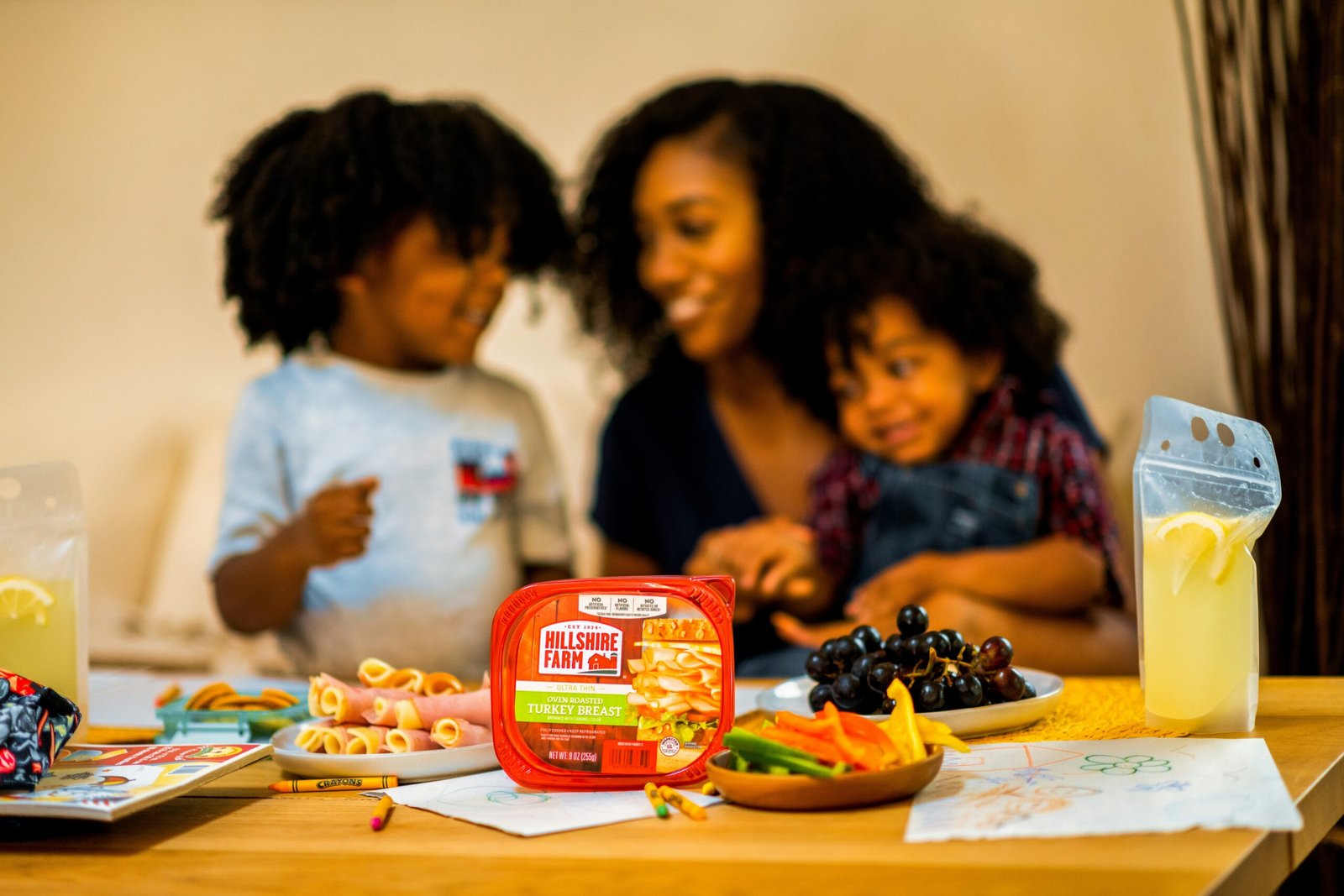
Introduction to Healthy Family Meals
In today’s fast-paced world, the significance of maintaining healthy eating habits for families cannot be overstated. Busy weeknights often challenge the ability to prepare nutritious meals, leading many to rely on quick, processed options that may not provide the essential nutrients needed for overall well-being. Ensuring that families can enjoy healthy meals amidst their demanding schedules is crucial, both for physical health and emotional stability.
Nutritious meals contribute to better health outcomes by supplying a balanced intake of vitamins, minerals, and other necessary nutrients. A well-rounded diet is vital for growth in children, enhances cognitive function, and supports the immune system. Conversely, frequent consumption of unhealthy foods can lead to long-term health issues, including obesity, diabetes, and heart disease. Therefore, prioritizing healthy family meals is paramount for fostering a thriving household.
Fast recipes have emerged as a solution for families managing tight schedules. These recipes not only save time in meal preparation but also lend themselves to healthier cooking methods. By embracing quick yet nutritious recipes, families can ensure they are still consuming meals rich in nutrients without spending hours in the kitchen. Simple meal ideas, which incorporate whole foods and fresh ingredients, can be both satisfying and beneficial for health.
Moreover, the act of preparing meals together can strengthen family bonds and instill healthy eating habits in children. Engaging in the cooking process encourages children to try new foods and understand the importance of nutrition. Therefore, finding ways to simplify healthy meal preparation is essential in promoting wellness within the family unit, especially on those busy weeknights when time is a precious commodity.
Benefits of Cooking at Home
Cooking at home offers numerous advantages that contribute to a healthier lifestyle and more fulfilling family dynamics. One of the most significant benefits is the ability to control nutritional content. When preparing meals from scratch, families can select high-quality ingredients, limit salt and sugar, and incorporate a variety of vegetables and proteins. This conscious decision-making process promotes healthier eating habits and ensures that each family member receives the necessary nutrients for optimal health.
In addition to better nutrition, home-cooked meals often result in notable cost savings compared to dining out or purchasing pre-packaged foods. Preparing meals at home allows families to buy ingredients in bulk, reducing per-serving costs and minimizing waste. Furthermore, meal planning can lead to smarter grocery shopping, which helps in budgeting and reducing impulsive purchases. This financial advantage is particularly beneficial for families looking to maintain a balanced dietary plan without overspending.
Cooking together also encourages family bonding and communication. Engaging in meal preparation as a family allows members to collaborate and share responsibilities. This shared experience can foster a sense of teamwork and promote stronger relationships among family members. Children, in particular, can learn essential cooking skills and develop an appreciation for healthy food choices. With a variety of roles to play in meal preparation, each family member can contribute, making it an interactive and enjoyable activity.
Moreover, home cooking provides the flexibility to customize meals based on individual dietary needs and preferences. Whether accommodating food allergies, dietary restrictions, or simply personal tastes, preparing meals at home allows families to adapt recipes accordingly and create dishes that everyone can enjoy. Ultimately, the benefits of cooking at home extend beyond nutrition and savings; they create meaningful family experiences that can be cherished for years to come.
Planning Ahead: The Key to Fast Weeknight Dinners
Effective meal planning serves as the cornerstone for achieving fast and healthy family dinners, particularly during busy weeknights. By taking the time to strategize and prepare ahead of schedule, families can ensure that they enjoy nutritious meals without succumbing to the temptation of fast food or takeout. One effective approach is to create a detailed weekly meal plan. This plan should include not only dinner options but also ideas for lunches and breakfasts, maximizing the use of available ingredients and minimizing food waste.
When crafting the weekly meal plan, families should involve all members in the process, encouraging everyone to contribute their favorite meals and preferences. This cooperation increases the likelihood that meals will be enjoyed and reduces the risk of wasted ingredients. Additionally, a well-structured grocery list based on the meal plan can streamline shopping endeavors, ensuring that necessary items are on hand at all times.
Preparation is also essential. Setting aside time on the weekends or any day off for ingredient preparation can have significant benefits. Washing, chopping, and marinating ingredients in advance not only saves valuable time during weeknights but also helps to make healthy choices more accessible. For instance, if vegetables are prepped and stored in clear containers in the fridge, it becomes easier to throw together a quick stir-fry or salad when time is of the essence.
Moreover, making use of leftovers can further enhance the efficiency of weeknight cooking. Repurposing leftovers into new meals ensures that nothing goes to waste and provides a convenient way to create something new. For example, roasted chicken from dinner one night can be transformed into a chicken salad or incorporated into a hearty soup the following evening. By embracing these strategies, families can master the art of meal planning, turning hectic weeknight dinners into enjoyable and hassle-free experiences.
One-Pan and One-Pot Meals for Efficiency
In today’s fast-paced world, one-pan and one-pot meals have risen in popularity among families seeking efficient cooking solutions that require minimal clean-up. These culinary strategies enable home cooks to create balanced meals while saving time and effort in the kitchen. With only one cooking vessel involved, you can prepare various delicious and nutritious dishes without the hassle typically associated with meal preparation.
Choosing the right ingredients is essential for crafting a well-rounded one-pot meal. Prioritize incorporating protein sources such as chicken, beef, legumes, or tofu alongside an array of colorful vegetables. Whole grains, such as rice or quinoa, work well as a base, providing an essential source of carbohydrates and fiber. By utilizing these components, you can ensure a meal that not only satisfies hunger but also delivers vital nutrients to your family.
Recipes that exemplify this concept include a classic stovetop chili, which allows for the integration of beans, ground meat, tomatoes, and spices—all simmered together seamlessly. Another great example is a Mediterranean quinoa bowl, where you can combine chickpeas, diced cucumbers, tomatoes, and olives with a drizzle of lemon and olive oil. Simply cooking everything in one pot not only saves time but also enhances the flavor as all the ingredients meld together.
Successful one-pan and one-pot meals can also be adapted to cater to specific dietary preferences. For instance, you can easily create vegetarian or gluten-free versions of popular recipes, ensuring that everyone at the dinner table has wholesome options tailored to their tastes. Ultimately, the convenience and simplicity of these meals make them an excellent choice for busy weeknights.
Quick and Nutritious Breakfast Ideas
Breakfast is often cited as one of the most important meals of the day, providing the essential energy and nutrients needed to start our mornings positively. With busy schedules, families may struggle to find time for nutritious breakfast options; however, preparing healthy meals in under 15 minutes is entirely achievable. By integrating quick recipes, families can enjoy a meal that promotes well-being and supports busy lives.
One efficient breakfast option is overnight oats, which can be prepared the night before. Simply combine rolled oats with yogurt or milk, add fruits such as banana or berries, and top it with nuts or seeds for added crunch. This meal not only provides fiber and protein but is also customizable according to individual preferences, ensuring each family member can enjoy their breakfast.
Another versatile idea is the smoothie. A quick blend of leafy greens, such as spinach or kale, along with fruits like mango or berries, creates a delicious and nutritious meal. Adding a source of protein, such as Greek yogurt or protein powder, enhances the health benefits, while ingredients like chia seeds provide additional fiber and omega-3 fatty acids. Smoothies can be a great option for parents on the go, as they can be consumed while commuting.
This breakfast spread may also include whole grain toast topped with avocado and a poached egg. This simple dish combines healthy fats, fiber, and protein. The toast can be prepared quickly, and poaching eggs takes mere minutes. Families can further personalize this meal by adding spices, herbs, or even smoked salmon for enhanced flavor and nutrition.
In conclusion, prioritizing nutritious breakfast options does not have to be time-consuming. With quick, easy recipes like overnight oats, smoothies, and avocado toast, families can ensure they start their day on a healthy note, setting the tone for a productive and energetic day ahead.
Healthy Lunchbox Solutions for Busy Days
In today’s fast-paced world, the importance of preparing healthy lunches for both children and adults cannot be overstated. A nutritious lunch not only fuels the body for the remainder of the day but also enhances cognitive function, particularly in children who are continually growing and learning. With busy schedules, it may be challenging to maintain a balanced diet; however, establishing a routine for lunch preparation can significantly contribute to overall health and well-being.
When considering healthy lunchbox solutions, it is essential to focus on meals that are not only nutritious but also easy to prepare. One effective strategy is to incorporate a variety of food groups into each lunchbox. For instance, a whole grain wrap filled with lean protein, such as turkey or hummus, coupled with colorful fresh vegetables, is an excellent choice. Additionally, including fruits, like apple slices or berries, and a small portion of healthy fats, such as nuts or seeds, can create a well-rounded meal.
To ensure that lunches remain appealing and exciting, it is beneficial to change up the ingredients regularly. Meal prep can play a vital role here; consider dedicating a few hours each week to prepare components that can be mixed and matched. For example, cook a batch of quinoa, roast an assortment of vegetables, and grill chicken. These can be stored together and used throughout the week, making assembling lunches simple and efficient.
Finally, incorporating fun elements into lunchboxes can make eating healthy more enjoyable for children. Use cookie cutters to create interesting shapes from fruits and vegetables or include a small note of encouragement or trivia in their lunchbox. This not only fosters positive eating habits but also turns lunchtime into a more engaging experience.
Speedy Dinner Recipes for the Family
In a world where time is often scarce, preparing nutritious meals for the family can present a challenge. However, it is entirely possible to create wholesome dinners that are both quick to prepare and satisfying to eat. Below are some delicious and easy recipes designed for busy weeknights, featuring varied cuisines that the entire family will enjoy.
The first recipe is a One-Pan Chicken and Vegetable Stir-Fry. This dish requires minimal cleanup, as everything is cooked in a single pan. Begin by sautéing bite-sized chicken pieces in a tablespoon of oil until browned. Add a mixture of colorful vegetables like bell peppers, broccoli, and snap peas. Toss in soy sauce, garlic, and ginger for flavor, and let it cook for 10-15 minutes. Serve over instant brown rice or pre-cooked quinoa for a complete meal.
Another lovely option is the Veggie-Loaded Quesadillas. Simply fill whole-grain tortillas with shredded cheese, black beans, and assorted vegetables such as spinach, zucchini, and tomatoes. Cook in a non-stick skillet until the cheese melts and the tortillas are crispy. Serve with salsa or avocado for a refreshing twist. This recipe not only offers nutrients but also presents a fun way to enjoy veggies.
If your family enjoys pasta, consider a quick Pesto Pasta with Cherry Tomatoes. Boil whole-grain pasta according to the package instructions, and while it cooks, toss fresh cherry tomatoes in a pan with olive oil. Once the pasta is cooked and drained, mix it with store-bought pesto and the sautéed tomatoes. This flavorful dish can be prepared in under 20 minutes and provides a good source of carbohydrates and healthy fats.
These quick and nutritious meal options illustrate that busy weeknights do not have to compromise wholesome family dinners. Incorporating various flavors and ingredients can make preparing fast meals enjoyable for everyone involved.
Incorporating Seasonal Produce for Flavor and Nutrition
Utilizing seasonal produce in family meals offers numerous advantages, ranging from enhanced flavors to increased nutritional value. When fruits and vegetables are in season, they are often at their peak ripeness, leading to superior taste and texture. For instance, tomatoes harvested in late summer possess a sweetness and juiciness that outshines off-season varieties. Similarly, the crispness of fall apples far surpasses those imported during the winter months.
In addition to flavor benefits, selecting seasonal produce supports local agriculture. By purchasing fruits and vegetables that are in season, consumers contribute to the local economy and decrease the carbon footprint associated with transporting out-of-season produce. Farmers’ markets are excellent venues to find fresh, seasonal options while directly supporting local farmers. This practice not only fosters a sense of community but also encourages the consumption of diverse produce varieties that might otherwise be overlooked.
From a nutritional standpoint, seasonal fruits and vegetables tend to contain higher nutrient levels. As produce ages, certain vitamins, such as vitamin C, can degrade. Consequently, consuming items that are freshly harvested ensures optimal nutritional intake for family meals. Foods that are in season are often less expensive as well, making it easier for families to incorporate a variety of fruits and vegetables into their diets. This variety can promote healthier eating habits for both adults and children.
When planning meals, it is beneficial to familiarize oneself with what is in season throughout the year. Incorporating these ingredients can not only improve the overall quality of meals but also create exciting culinary opportunities. Proper storage techniques, such as refrigeration for certain vegetables and keeping fruits in a cool, dry place, help to prolong the freshness of seasonal produce. By prioritizing these local and seasonal items, families can enjoy meals that are both nutritious and flavorful.
Conclusion: Making Healthy Eating Manageable
In the modern fast-paced world, where time often seems fleeting, maintaining a healthy diet can appear to be a daunting task, especially for families. However, it is crucial to recognize that preparing wholesome meals does not necessitate hours of labor in the kitchen. The key to achieving a balance between nutritious eating and a busy lifestyle lies in strategic planning and efficient meal preparation. By adopting some of the practical strategies discussed earlier, such as meal prepping, utilizing slow cookers, and incorporating quick-cooking ingredients, families can enjoy delicious and healthy meals without excessive time commitment.
Additionally, embracing the concept of simplicity in meal preparation can significantly ease the burden on busy weeknights. Choosing recipes with fewer ingredients or one-pot meals can streamline the cooking process while still delivering homemade, nutritious options. Opting for seasonal produce not only enhances the flavor of meals but also makes grocery shopping more manageable. By keeping a well-stocked pantry filled with healthy staples, families can whip up nutritious dishes with minimal effort, ensuring that healthy eating becomes a seamless part of their routine.
Also, encouraging involvement from all family members in meal planning and preparation can foster a collaborative atmosphere in the kitchen. This shared responsibility not only makes cooking more efficient but helps children develop healthy eating habits from an early age. Ultimately, it is essential to cultivate a positive attitude towards cooking and eating as a family, which can turn mealtimes into enjoyable experiences rather than chores. By implementing these tips and focusing on healthy eating as a pleasant activity, families can thrive, nourishing both their bodies and their relationships, regardless of their busy schedules.


