
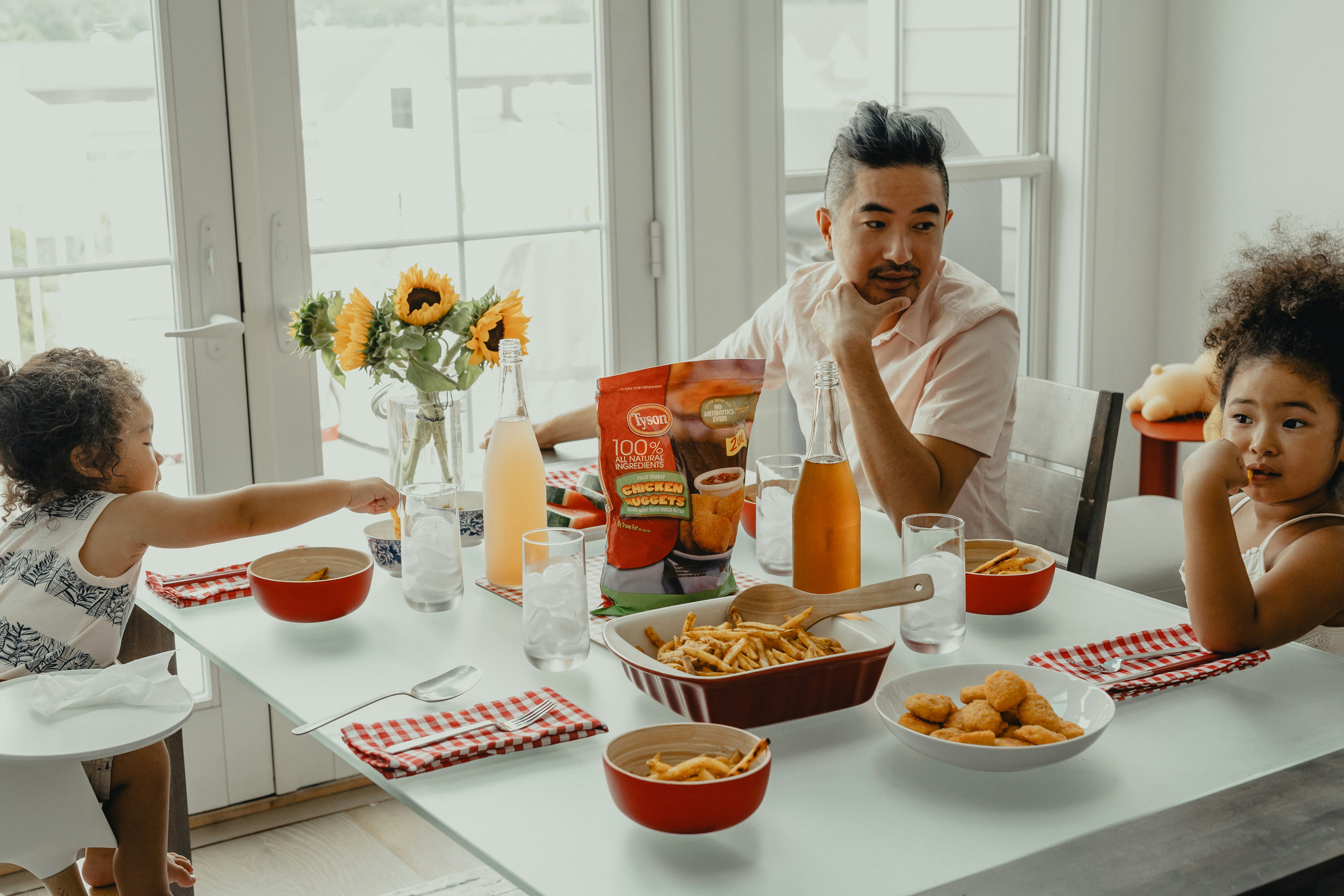
The Importance of Family Meals
In today’s fast-paced world, the significance of family meals has become increasingly vital. Shared meals are more than just a time to nourish the body; they serve as a foundation for family bonding. Regularly coming together at the dining table fosters an environment of communication and connection among family members. This shared experience nurtures relationships, allowing individuals to participate in meaningful interactions that can strengthen familial ties.
Research consistently underscores the positive impact of family meals on children’s emotional and social development. Studies reveal that children who partake in regular family meals demonstrate improved communication skills, higher self-esteem, and a greater propensity for academic success. These gatherings provide a unique platform for discussing daily experiences, addressing challenges, and celebrating achievements, thereby creating a supportive family culture that encourages openness and trust.
Moreover, family meals can be instrumental in instilling core values and traditions within the household. When families engage in preparing and sharing meals, it promotes collaboration and understanding among diverse perspectives. This are also opportunities for adults to impart essential life skills, such as cooking and dietary awareness, encouraging children to develop a healthy relationship with food. The act of family cooking itself can ignite creativity, and children participating in meal preparation can lead to greater appreciation for nutrition and diverse food preferences.
Furthermore, the shared experience of dining allows families to enjoy the simple pleasure of one another’s company away from the distractions of everyday life. In a world where technology often consumes our attention, family meals present a chance to disconnect from electronic devices and focus on building memories. These moments not only contribute positively to family cohesion but also create lasting memories that can be cherished for years to come.
Health Benefits of Cooking Together
Cooking together as a family can significantly enhance health and nutrition for all members involved. One of the primary advantages is the increased consumption of fruits and vegetables. When families engage in the cooking process, they are more likely to incorporate a variety of fresh produce into their meals. Research indicates that children who help prepare meals are more inclined to try new fruits and vegetables, thus broadening their dietary palate and fostering healthier eating habits. This proactive approach can lead to improved dietary patterns that extend beyond mealtimes.
Moreover, family cooking sessions contribute to better portion control. Preparing meals from scratch allows families to be mindful of serving sizes, which is crucial in maintaining a balanced diet. Individuals involved in meal preparation can better gauge appropriate portion sizes, which helps in cultivating healthier eating practices. By actively participating in the cooking process, family members become more aware of what they consume, thus reducing overeating and promoting moderation.
Another significant health benefit of cooking together is the reduction of reliance on processed foods. Involving family members in meal preparation fosters an environment where healthier, homemade options are prioritized over convenience foods. This shift not only enhances nutritional quality but also minimizes the intake of harmful additives and preservatives often found in processed meals. As families cook together, they cultivate a deeper understanding of the food they eat, which can lead to better decision-making regarding dietary choices.
Lastly, cooking as a family can translate to improved physical health and lower obesity rates among children. Engaging in this shared activity helps instill healthy habits from an early age, thereby encouraging lifelong wellness practices. By prioritizing nutritious cooking as a unit, families can pave the way for a healthier future and stronger familial bonds.
Strengthening Family Bonds Through Cooking
The act of cooking together is more than just a means to prepare a meal; it serves as a powerful conduit for strengthening family relationships. When families gather in the kitchen, they engage in a shared activity that fosters communication and collaboration. This teamwork not only helps in the execution of culinary tasks but also in building deeper emotional connections among family members. By working together, families can share responsibilities, celebrate achievements, and develop an understanding of each other’s strengths and weaknesses.
Cooking can be a source of joy and laughter, creating an environment where members feel comfortable expressing themselves. For instance, a family that bakes cookies together may find that the act of measuring ingredients and mixing dough provides rich opportunities for bonding. As they laugh over a flour fight or discuss which toppings to use, they enhance their communication skills and create lasting memories that transcend the dinner table. Through lighthearted banter and cooperation, family members can foster a sense of unity that nurtures trust and understanding.
Anecdotal evidence supports the idea that families who cook together report stronger emotional ties and improved communication. For example, a family that dedicates one night a week to preparing dinner as a team not only shares the task of cooking but also enjoys the process of meal planning and grocery shopping. By encouraging each member to contribute their ideas, the family creates a sense of ownership over the meal, enhancing their connection to both the food and one another. This shared culinary experience cultivates cooperation, serving as a foundation for teamwork in other areas of life.
Ultimately, cooking together transforms what might be a mundane task into a cherished family tradition, reinforcing relationships and fostering a nurturing environment. By prioritizing shared culinary experiences, families can strengthen their bonds in an impactful and meaningful way.
Creating a Fun Cooking Environment
Establishing an enjoyable atmosphere is essential for memorable family cooking sessions. Making the experience engaging for individuals of all ages encourages participation and fosters a sense of bonding. One of the first steps is to consider the ambiance of your kitchen or cooking space. Utilizing upbeat music can set a lively tone, making the cooking process feel less like a chore and more like a fun activity. Choose a playlist that caters to the preferences of all family members, mixing generations with classic tunes and contemporary hits.
Themed cooking nights can also amplify excitement. Designate specific days for different cuisines, such as Italian Night or Taco Tuesday, which allows family members to prepare dishes associated with that theme. This creates anticipation and offers a platform for sharing cultural background and favorite recipes, enhancing the overall bonding experience. Moreover, such themes can incorporate dress codes, where everyone wears attire representing the chosen cuisine, making the experience more immersive.
Engaging games and challenges adds an element of fun, encouraging friendly competition while cooking. Families can assign roles or create a “Chopped”-style contest where members must utilize specific ingredients within a time limit. This not only elevates the cooking experience but also encourages creativity and teamwork. Additionally, recipe cards can be created with funny instructions or personalized touches that require family members to interpret or adapt based on their own culinary skills.
Moreover, it is important to make everyone feel included, regardless of their cooking competence. For instance, younger family members can assist in simpler tasks like washing vegetables, while those with more experience can handle more intricate steps. Emphasizing collaboration ensures that the atmosphere remains conducive for all, fostering a sense of teamwork and shared accomplishment.
Incorporating Cultural Recipes and Traditions
The integration of cultural recipes and family traditions into mealtime is a meaningful way to enhance bonding among family members. Each dish carries a history, cultural significance, and a connection to the generations that came before. By cooking traditional recipes, families participate in a timeless act that fosters discussions about heritage and identity. These culinary practices not only serve to strengthen familial ties but also provide an opportunity for parents and children to engage in enriching conversations about their ancestry.
Sharing recipes passed down through generations can evoke cherished memories and create a sense of pride in one’s cultural heritage. For instance, a family might gather to prepare a beloved grandmother’s recipe, allowing the younger members to learn about their roots while also honing their cooking skills. The act of preparing these meals together can serve as a meditative family ritual that promotes togetherness and understanding among diverse generations.
To diversify cooking experiences and introduce new cultural cuisines, families can embark on culinary exploration. One effective method is to dedicate a monthly family meal to trying dishes from different cultures. This not only expands the palate but also encourages curiosity about the world. Visiting local markets to purchase authentic ingredients, or attending cultural festivals, can further enhance this experience by exposing families to new flavors and techniques.
In engaging with these diverse culinary traditions, families can document their culinary journey, perhaps by creating a family recipe book that includes both familiar and newly discovered recipes. This shared document becomes a tangible representation of a family’s journey through food, encapsulating memories, stories, and the connections forged over the dinner table. Thus, incorporating cultural recipes into family meals offers both a practical approach to nurturing relationships and a profound opportunity to celebrate cultural identity.
Teaching Life Skills and Nutrition Knowledge
Cooking together as a family provides a valuable educational opportunity that promotes both life skills and nutritional knowledge. When parents and children engage in preparing meals, they are not merely performing a task; they are also learning essential skills that will benefit them throughout their lives. One critical aspect is meal planning, where children learn to select ingredients and understand the nutritional values associated with various foods. This process fosters decision-making skills, enabling family members to make healthier choices based on adequate knowledge rather than convenience or habit.
Additionally, involving children in cooking teaches important budgeting skills. As families create shopping lists and budget for meals, they learn to prioritize their spending, understand the cost of items, and recognize the value of purchasing fresh produce over processed foods. This experience nurtures responsible habits regarding money management, imparting lessons that will be invaluable as these children transition into adulthood.
Time management is another life skill honed during family cooking sessions. Working together to prepare a meal encourages effective coordination and timing among family members. Children learn to estimate the time required for different processes, such as cutting vegetables and cooking meats, which can lead to improved organizational skills in other areas of their lives.
In addition to practical skills, cooking together fosters understanding of kitchen safety. Parents can impart essential lessons about safe food handling, proper use of kitchen tools, and the importance of cleanliness. These lessons enhance children’s confidence in the kitchen, allowing them to enjoy cooking while minimizing the risk of accidents.
Finally, engaging in family cooking not only reinforces life skills but also enhances children’s nutritional knowledge. Understanding the food groups, the significance of balanced meals, and the impact of food choices on health are lessons that bridge the gap between theory and practice. Thus, cooking together serves as a powerful educational platform for fostering an understanding of healthy eating habits.
Overcoming Challenges When Cooking Together
Cooking together as a family can be a rewarding experience; however, it often comes with its unique set of challenges. Among the most common hurdles are time constraints, picky eaters, and varying skill levels among family members. Addressing these obstacles is essential to ensure that the act of preparing meals becomes an enjoyable and fulfilling activity rather than a source of stress.
Time constraints are perhaps the most significant challenge faced by families. Juggling work, school, and other commitments can make it seem daunting to set aside time for cooking together. One effective strategy to mitigate this issue is to prioritize meal planning. By designating a specific day each week to plan meals, families can choose simple and quick recipes that everyone can enjoy. Prepping ingredients in advance and utilizing time-saving kitchen gadgets like slow cookers or pressure cookers can further streamline the cooking process, making it possible to enjoy family meals without excessive time investment.
Picky eaters can also pose a barrier to collaborative cooking efforts. It is important to recognize that involving children in menu planning can help address this issue. Allowing them to choose ingredients or dishes can spark excitement and willingness to try new flavors. Additionally, offering a variety of components for a meal, such as different toppings for pizzas or customizable taco nights, empowers family members to create their ideal plate, thus increasing their enjoyment of the cooking experience.
Lastly, differing skill levels amongst family members can create tension in the kitchen. Encouraging teamwork is vital; thus, tasks can be allocated based on individual abilities. For instance, younger children might focus on washing vegetables, while older ones can handle chopping or sautéing. This approach will make cooking together not only a learning opportunity but also a chance to bond, fostering a supportive environment that ultimately enhances everyone’s cooking skills.
Ideas for Family Cooking Nights
Family cooking nights present a wonderful opportunity to foster bonding while enjoying delicious meals together. To make these evenings memorable, consider introducing themed nights. For example, ‘International Night’ allows you to explore cuisines from around the world. Each week, select a different country and prepare traditional dishes together. A sample menu might include Italian pasta, Mexican tacos, or Indian curry, encouraging family members to learn about cultural flavors while developing their culinary skills.
Another engaging option is to host a ‘Dessert Competition’. In this tasty showdown, family members can form teams or go solo to create unique sweet treats. To keep everyone motivated, consider setting guidelines such as using specific ingredients or themes, like “chocolate” or “fruity flavors.” After the creations are complete, everyone can gather for a taste test, providing constructive feedback and accolades, making it a fun and interactive experience.
For a more wholesome approach, the ‘Farm-to-Table Night’ can promote sustainability and appreciation for fresh produce. Plan a menu that highlights seasonal ingredients from local farms or gardens. Involve family members in selecting the items, and perhaps even take a family trip to a nearby farmers’ market. A sample menu may include a fresh garden salad, roasted vegetables, and a simple grilled protein, celebrating the simplicity and flavor of farm-sourced food.
Additionally, consider incorporating family favorites into the mix, allowing everyone to contribute their preferred recipes, further enhancing the meal’s personal touch. Each cooking night can serve as a platform to learn new skills, have meaningful conversations, and create lasting memories. Ultimately, these family cooking nights can be a delightful blend of creativity, culture, and connection.
Real-Life Testimonials: Families Who Cook Together
The profound impact of cooking together as a family can be observed through various testimonials shared by families who have made this practice an integral part of their routines. For instance, the Johnson family, consisting of two parents and three children, describes cooking as their weekly bonding time. “Every Sunday, we spend the afternoon in the kitchen preparing a meal together. It is a fun-filled session where we not only create delicious dishes but also share stories and laughter. This has brought us closer as a family and paved the way for improved communication,” shares Emma Johnson, the mother. Through this shared activity, the Johnsons have fostered a supportive environment where everyone feels valued and heard.
Similarly, the Martinez family highlights the benefits they have reaped from cooking together. “We used to rely on takeout, and it felt like we were disconnected, even when we were at home. By making cooking a family affair, we have established healthier eating habits and actually enjoy trying new recipes. It has turned into a creative outlet for our teenagers, who now experiment with flavors and ingredients,” notes Carlos Martinez, the father. The Martinez family’s journey emphasizes how collaborative cooking can enhance dietary choices while promoting healthy lifestyle habits amongst various age groups.
The Nguyen family offers a different perspective on the emotional aspect of family cooking. “Since we started having regular family cooking nights, we have carved out cherished memories. We laugh, make mistakes, and learn together in the kitchen. It has taught us resilience and teamwork, sentiments that have normalized in our everyday interactions,” indicates Linh Nguyen, the mother. This notable shift demonstrates not just a change in their mealtime practices but also an overall enhancement in their family dynamics.
These testimonials reflect the multitude of positive outcomes that families experience by cooking together. Engaging in this shared culinary journey not only strengthens relationships but also ingrains essential life skills and fosters healthier eating habits that can last a lifetime.


