
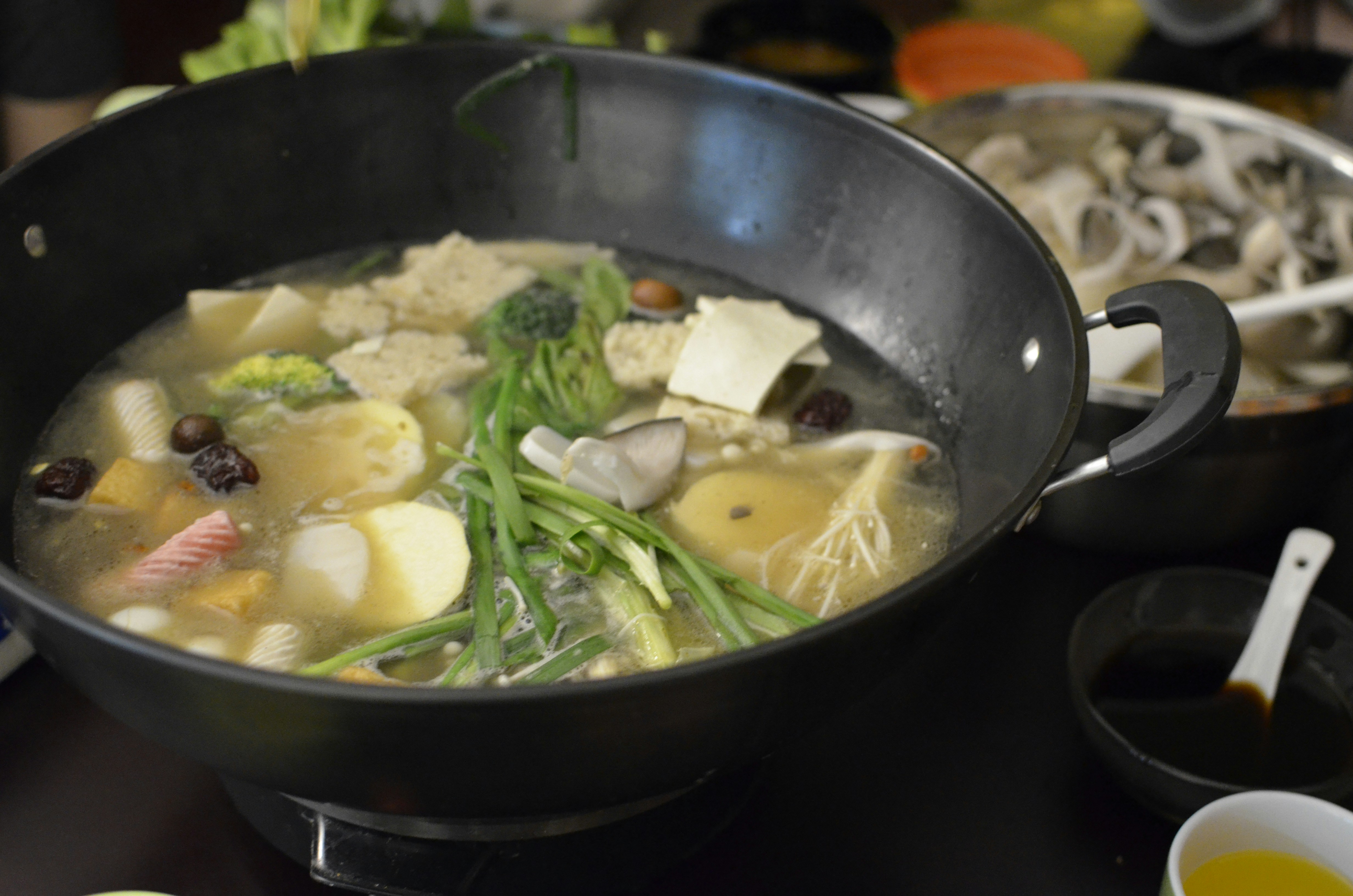
Introduction to One-Pot Meals
One-pot meals have gained significant popularity in contemporary cooking, particularly among families seeking efficient and enjoyable dining solutions. This culinary approach encompasses a wide range of recipes that require all ingredients to be cooked within a single pot or pan, thereby streamlining both the preparation and clean-up processes. For busy families juggling multiple responsibilities, the convenience offered by one-pot meals is invaluable. Not only do they save time, but they also minimize kitchen clutter, allowing for a more organized cooking experience.
Moreover, one-pot meals often encourage creativity and resourcefulness in the kitchen. Various ingredients can be combined to create nourishing, flavorful dishes that cater to diverse dietary preferences. Families can experiment with different proteins, vegetables, grains, and spices, making each meal unique and tailored to individual tastes. This adaptability also allows households to reduce food waste, as leftover ingredients from previous meals can be incorporated into new recipes.
In addition to the practical benefits of one-pot cooking, there is a deeper significance related to mindful eating. Mealtime provides a valuable opportunity for family members to connect, share experiences, and engage in meaningful conversation. By gathering around a single dish, families can cultivate a sense of togetherness and appreciation for the culinary process. Mindful eating practices with one-pot meals emphasize awareness of taste, texture, and nutritional value, encouraging families to savor their food and foster healthy eating habits.
Ultimately, one-pot meals not only simplify cooking and cleaning but also enhance the experience of family dining. They create an inviting atmosphere where every member can contribute and bond over shared culinary endeavors, making mealtime an occasion for connection and nourishment.
Benefits of Mindful Family Dining
Mindful dining refers to the practice of being fully present and engaged during meal times, a concept that can significantly enhance family life. It encourages families to come together, share food, and strengthen their relationships. One of the primary advantages of mindful family dining is the promotion of healthy eating habits. When families eat together, they are more likely to consume nutritious meals. Studies show that children who regularly dine with their families have a higher intake of fruits and vegetables, which fosters lifelong healthy eating patterns. This communal aspect of dining invites caregivers to model positive eating behaviors, allowing children to develop a healthy relationship with food.
Additionally, mindful dining fosters improved communication among family members. Sharing meals creates a platform for open discussions and bonding. During mealtimes, families can share their daily experiences, challenges, and triumphs, which helps to develop empathy and understanding among family members. Research indicates that families who engage in regular mealtime conversations tend to have stronger connections and better emotional health. The positive environment created during these gatherings reduces the likelihood of conflicts, fostering a sense of belonging and support.
The overall dining experience is significantly enhanced through meaningful conversations and shared moments. For instance, cooking together can transform meal preparation into a collaborative endeavor, where family members share their culinary skills and preferences. This not only allows for personalized meal planning but also nurtures teamwork and creativity. A study conducted by the National Center on Addiction and Substance Abuse revealed that families who have frequent meals together are less likely to experience issues related to substance abuse, highlighting the protective factor of shared mealtime experiences.
Thus, engaging in mindful family dining undoubtedly enriches family life, making meals a source of nourishment not just for the body but also for the soul.
Choosing the Right Ingredients
Selecting high-quality ingredients is essential for crafting delicious and nutritious one-pot meals that cater to mindful family dining. Prioritizing seasonal, local, and organic produce can significantly enhance both taste and health benefits. Seasonal ingredients, often fresher and more flavorful, can elevate the overall quality of your meals. Visiting local farmers’ markets or subscribing to a community-supported agriculture (CSA) program are excellent ways to access fresh, seasonal produce while supporting local agriculture.
Organic ingredients should be considered when possible, particularly for items that are prone to pesticide residue, such as leafy greens and berries. Choosing organic options not only reduces exposure to harmful chemicals but also supports environmentally friendly farming practices. In addition to produce, look for organic grains, legumes, and proteins to create balanced meals that nourish the body.
When crafting one-pot meals, balancing flavors, textures, and nutrients is vital. Incorporating a variety of vegetables brings different taste profiles and textures, contributing to a more enjoyable dining experience. For instance, combining crunchy vegetables like bell peppers with softer options like zucchini can create a satisfying mouthfeel. Furthermore, adding legumes and whole grains provides protein and fiber, crucial for a well-rounded meal.
Another key aspect is selecting herbs and spices to enhance flavor without added salt or fat. Fresh herbs, such as basil, parsley, or cilantro, can brighten a dish, while spices like cumin or paprika add depth. Experimenting with different combinations will not only please the palate but also introduce a range of nutrients. Ultimately, choosing the right ingredients is fundamental to creating one-pot meals that are as nourishing as they are delightful, ensuring a mindful dining experience for the entire family.
Preparation and Cooking Techniques
When embarking on the journey of creating one-pot meals, understanding various preparation and cooking techniques is pivotal. These methods not only enhance the flavors but also ensure that the meal is cooked evenly, making family dining a delightful and mindful experience. One essential technique involves layering ingredients effectively. Start by placing denser items like root vegetables and grains at the bottom of the pot, as they require more time to cook. On top, add proteins and more delicate vegetables that cook faster. This arrangement allows for optimal cooking, ensuring that all ingredients achieve the desired texture and taste.
Managing cooking times is crucial in one-pot meals, where the goal is harmony among all components. For instance, when using a combination of meats and vegetables, it’s beneficial to add them in stages. Sear the meat first to lock in flavor, then introduce vegetables based on their cooking duration. Such an approach can significantly improve the overall flavor profile of the dish while maintaining the integrity of each component. Employing techniques such as sautéing at the beginning can build a strong flavor base, often using onions and garlic to release aromatic oils, which enhance the entire meal.
Furthermore, cooking methods such as simmering and baking can elevate the one-pot culinary experience. Simmering allows flavors to meld nicely while tenderizing tougher cuts of meat, resulting in a hearty family dish. Baking in an oven-safe pot can introduce a different texture, adding richness to the meal. As families venture into one-pot cooking, these techniques not only provide practical skills but also foster an environment of collaboration and creativity in the kitchen. By mastering these preparations and methods, one can pave the way for delightful dining experiences that are both mindful and fulfilling.
Flavorful One-Pot Meal Recipes
One-pot meals offer an excellent way to simplify family dining while ensuring that everyone enjoys a wholesome meal. Here, we present a selection of easy-to-follow recipes that cater to various dietary preferences, from vegetarian and vegan options to gluten-free and meat-based dishes. These recipes not only promote mindfully prepared meals but also encourage culinary creativity.
For a delicious vegetarian option, consider a Mediterranean Quinoa Salad. In a large pot, combine one cup of rinsed quinoa with two cups of vegetable broth, diced bell peppers, cherry tomatoes, and black olives. Season with olive oil, lemon juice, and dried oregano, then bring to a boil. Once cooked, fluff the quinoa with a fork before serving. This nutritious dish is both satisfying and rich in flavor, highlighting the vibrant ingredients of Mediterranean cuisine.
For those following a vegan diet, a Chickpea and Spinach Curry is an excellent choice. Start by sautéing onions, garlic, and ginger in a large pot until fragrant. Add canned tomatoes, drained chickpeas, and fresh spinach, seasoning with cumin, coriander, and turmeric. Let the mixture simmer until it’s thick and fragrant. Serve over brown rice for a complete meal that is packed with protein and essential nutrients.
If gluten-free options are a priority, the Chicken and Vegetable Stir-Fry can be a family favorite. In a large skillet or pot, heat oil and cook diced chicken breast until browned. Add an assortment of seasonal vegetables, such as broccoli and bell peppers, or any preferred greens. Pour in gluten-free soy sauce or tamari and toss until everything is well combined. This dish not only bursts with flavor, but also allows the use of different vegetables based on availability and personal preference.
Finally, for those who enjoy meat-based meals, a Beef and Barley Stew is heartwarming and filling. Brown chunks of beef in a pot, then add diced carrots, celery, onion, and garlic. Stir in barley, broth, and your choice of herbs, allowing it to simmer until the beef is tender and the barley is cooked through. This recipe provides a hearty meal that warms the soul and fosters a sense of togetherness during dining.
Incorporating Leftovers into One-Pot Meals
Utilizing leftovers in one-pot meals can be a practical and sustainable approach to family dining. By creatively repurposing ingredients from previous meals, families not only minimize food waste but also innovate new culinary delights. A variety of items, including cooked meats, grains, and vegetables, can easily be transformed into nutritious one-pot dishes. The versatility of these meals allows for flexibility in ingredient selection, presenting an opportunity to use what is available in the refrigerator.
To effectively incorporate leftovers, it is important to consider complementary flavors and textures. For instance, leftover roasted chicken can be combined with a medley of vegetables and rice to create a comforting chicken and vegetable pilaf. Similarly, yesterday’s stir-fried vegetables can be added to a quick-cooking pasta and mixed with a fragrant sauce to form a hearty meal. Grains such as quinoa or barley can act as a great base, absorbing flavors and enhancing the overall dish.
Storage and proper reheating practices are crucial when dealing with leftovers. It is recommended to store leftovers in airtight containers, ensuring that they remain fresh and free from contamination. When reheating, it is important to ensure the food reaches an adequate temperature to eliminate any potential foodborne pathogens. Using a stovetop method allows for even heating while blending the flavors together harmoniously.
Moreover, meal planning can benefit from this approach. By intentionally preparing slightly larger portions, families can transform the leftovers into entirely new meals, thereby saving time and effort during the week. Through strategic thinking and creativity, incorporating leftovers into one-pot meals not only enhances dining experiences but also promotes sustainability within the household.
Setting the Table for Mindful Dining
Creating a thoughtful environment for family meals is essential in fostering connection and mindfulness during dining experiences. A well-set table not only enhances the overall meal experience but also invites family members to engage with each other and the food presented. To begin, consider the physical setup of the dining space. Use a clean tablecloth or placemats to define the dining area, and incorporate plates, glasses, and utensils that reflect a theme or personal style. This attention to detail can elevate the meal, making everyone feel special and valued.
Beyond the physical arrangement, introducing mealtime rituals can play a crucial role in mindful dining. Such rituals might include starting each meal with a moment of gratitude, where family members express appreciation for the food and the company. This practice can establish a positive tone for the meal, encouraging open communication and fostering a sense of community. Furthermore, consider designating specific topics for discussion, allowing everyone a chance to share their thoughts and experiences, making the conversation more engaging and purposeful.
Equally important is the decision to create a device-free dining environment. The presence of smartphones and televisions can detract from meaningful conversations and shared experiences. By establishing the practice of storing devices away during meals, families can freely connect with one another, promoting a sense of awareness and presence. Encouraging family members to share stories or experiences can lead to rich conversations, strengthening bonds and enhancing relational dynamics.
Investing thought and care into the setting of the dining table, the introduction of meaningful rituals, and the commitment to device-free meals collectively contribute to a nurturing atmosphere. By prioritizing these aspects, families can turn ordinary meals into mindful dining experiences that reinforce connection, communication, and togetherness.
Engaging Kids in the Kitchen
Involving children in the meal preparation process has numerous benefits that extend beyond just making a meal. Engaging kids in cooking fosters a sense of responsibility, enhances their culinary skills, and promotes a positive attitude towards healthy eating. When children contribute to the preparation of their meals, they become more likely to enjoy and appreciate the dishes served. Teaching them the basics of cooking can be a rewarding experience for both parents and children.
To effectively engage kids in the kitchen, it is crucial to assign age-appropriate tasks that align with their developmental abilities. For younger children, simple tasks such as washing vegetables, measuring ingredients, or stirring mixtures can initiate their participation. These activities not only keep them involved but also help develop fine motor skills and hand-eye coordination. As children grow older, they can take on more complex responsibilities, such as chopping vegetables or following a recipe with minimal supervision. This gradual increase in responsibility builds their confidence in the kitchen and encourages a sense of achievement.
Moreover, including children in the cooking process can serve as an educational opportunity. It allows parents to discuss nutritional values, food origins, and the importance of a balanced diet. By explaining the role of various ingredients, children gain a better understanding of nutrition, which can contribute to healthier eating habits in the long run. Additionally, teamwork in the kitchen can strengthen family bonds. Cooking together turns mealtime into a collaborative effort, enhancing relationships and allowing for creativity, laughter, and shared experiences.
Ultimately, engaging kids in the kitchen not only makes meal preparation a fun and interactive experience but also instills essential cooking skills and an appreciation for mindful family dining.
Conclusion and Encouragement to Embrace Family Meals
In reflection, the discussion of easy one-pot meals has underscored their numerous advantages in fostering mindful family dining experiences. One-pot recipes are not only practical and time-efficient, but they also promote healthier eating habits and encourage family interactions. By bringing everyone together around a shared meal, these meals cultivate connections and create lasting memories, essential for strengthening familial bonds.
Moreover, the versatility of one-pot meals allows for a broad range of culinary explorations. Families can experiment with various ingredients and flavors, creating unique dishes that cater to individual preferences while still adhering to the principles of balanced nutrition. Integrating seasonal vegetables, whole grains, and protein options not only elevates the meal quality but also allows for educational opportunities about food sourcing and cooking techniques, all while engaging family members in an enjoyable activity.
To maximize the benefits of mindful family dining, it is recommended to prioritize shared meals regularly. Setting aside dedicated time for family breakfasts, lunches, or dinners can materially impact family dynamics, as it allows for open communication and the sharing of daily experiences. As families adopt the practice of gathering for one-pot meals, they often discover the fostering of traditions centered around these shared culinary experiences.
In closing, we encourage readers to embrace the concept of cooking and dining together through one-pot meal recipes. The act of preparing food as a family not only makes meal times more enjoyable but also imparts invaluable skills and lessons. So gather your loved ones, choose a recipe that resonates with your family’s tastes, and revel in the satisfaction of creating and sharing a nourishing meal together, fostering connections that will last a lifetime.


