
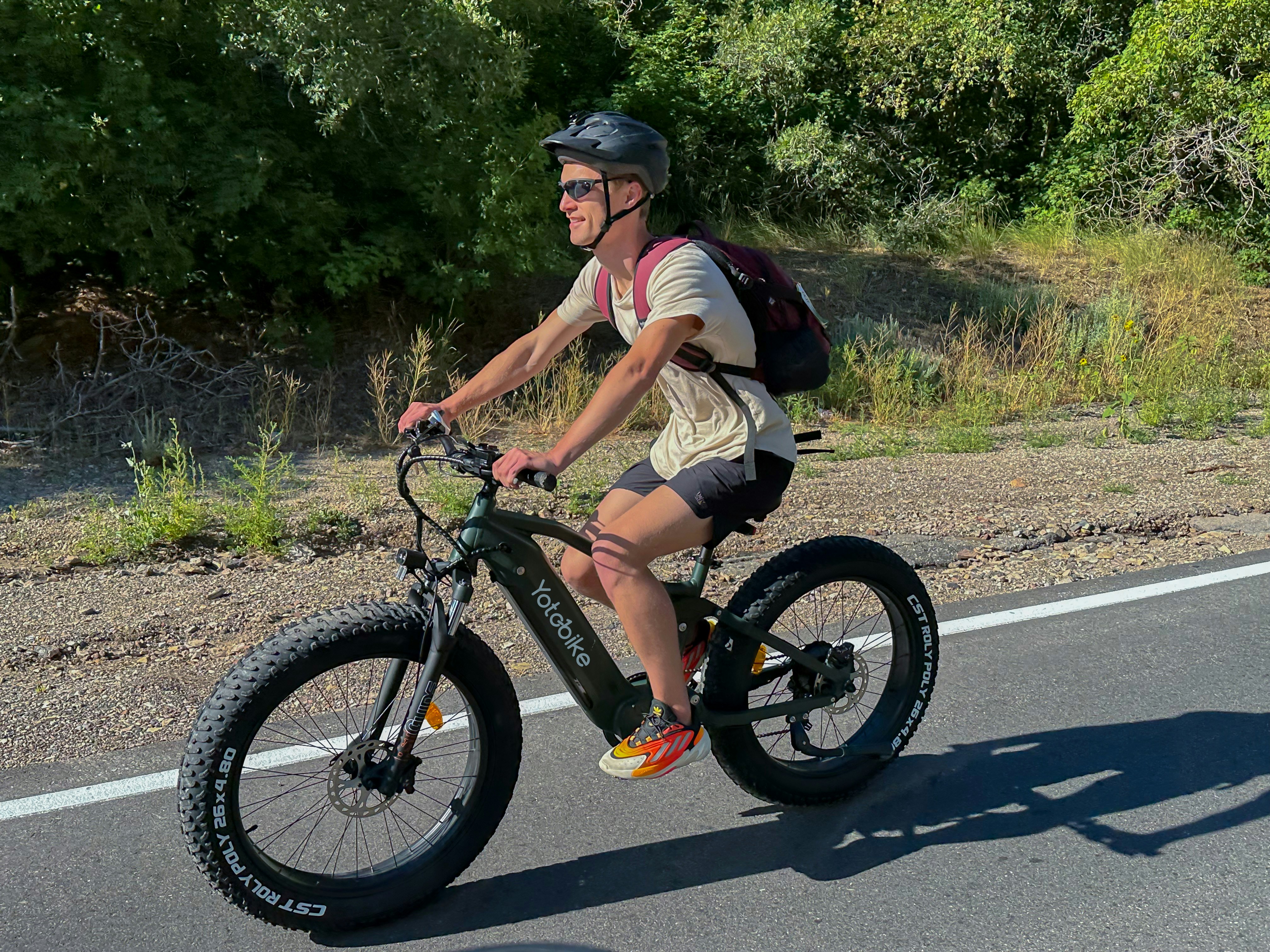
Introduction to Weekend Bike Trips
Weekend bike trips represent an ideal recreational activity that combines fitness and leisure into one exhilarating experience. The concept of cycling as a weekend pastime has gained significant popularity, offering individuals the opportunity to explore new terrains while simultaneously promoting physical health and mental well-being. As more people seek to escape their busy routines, weekend bike trips serve as a refreshing alternative to traditional forms of recreation.
Engaging in cycling not only builds stamina and strengthens muscles but also enhances cardiovascular health. The rhythmic nature of pedaling can serve as a form of cardio exercise which helps in maintaining a healthy weight and improving overall fitness levels. Beyond physical benefits, the act of biking outdoors offers substantial mental health advantages. The exposure to natural surroundings, combined with the endorphin release from exercise, can lead to reduced stress and enhanced mood. This holistic approach to fitness contributes to a well-rounded lifestyle, making weekend bike trips deeply rewarding.
Moreover, biking allows enthusiasts to break away from the confines of urban settings and immerse themselves in nature’s beauty. Whether it is through forested trails, oceanfront roads, or scenic countryside routes, the variety of landscapes available invites cyclists to discover new vistas. The adventure added by weekend bike trips proves to be invigorating; individuals can navigate both familiar and uncharted paths, fostering a sense of exploration and spontaneity.
In addition to individual benefits, weekend bike trips also provide a platform for social interaction. Cycling with friends, family, or community groups cultivates connections through shared experiences, paving the way for new friendships and camaraderie. With the perfect blend of fitness and fun, weekend bike trips ensure that participants return home feeling refreshed and reenergized, ready to tackle the challenges of everyday life.
Benefits of Cycling for Fitness
Cycling is an increasingly popular activity that offers a multitude of health benefits. One of the primary advantages of cycling is the improvement in cardiovascular fitness. Engaging in regular cycling sessions can significantly enhance your heart health, as aerobic exercise strengthens the heart muscle, improves circulation, and reduces blood pressure. This not only promotes better oxygen delivery to vital organs but also effectively lowers the risk of heart disease.
In addition to cardiovascular benefits, cycling contributes to increased muscle strength. This low-impact exercise targets major muscle groups, particularly the quadriceps, hamstrings, calves, and glutes. Regularly incorporating cycling into your fitness routine can lead to improved overall lower body strength, which supports better performance in other physical activities. Furthermore, cycling increases stamina, allowing individuals to engage in longer and more intense workout sessions over time. By progressively increasing cycling duration and intensity, cyclists can build endurance, which translates into enhanced energy levels throughout daily life.
Weight management is another critical aspect of cycling’s health benefits. As a calorie-burning exercise, cycling can aid in shedding excess pounds or maintaining a healthy weight, depending on the intensity and frequency of biking sessions. This makes cycling an effective and enjoyable way to integrate physical activity into a weight loss program or a maintenance strategy.
Beyond physical health, the psychological advantages of cycling should not be overlooked. Research indicates that cycling can relieve stress and anxiety, promoting a more positive mood. The rhythmic nature of pedaling, combined with exposure to the outdoors, stimulates the release of endorphins, often referred to as “feel-good” hormones. This naturally boosts mental well-being, making cycling a holistic approach to fitness that nurtures both body and mind.
Choosing the Right Bike for Your Trip
When embarking on weekend bike trips, selecting the right bike is crucial for both enjoyment and performance. The type of bike you choose greatly influences your overall experience, as different bikes cater to various terrains and riding styles. Primarily, there are three main types of bikes: road bikes, mountain bikes, and hybrid bikes. Each has its unique features tailored to specific environments.
Road bikes are designed for paved surfaces and are characterized by their lightweight frames and narrow tires. They allow for speed and efficiency on smooth roads but may not perform well on rugged paths. If your weekend adventure involves long distances on asphalt or well-maintained trails, a road bike is an ideal choice.
On the other hand, mountain bikes are built to conquer rough terrains and off-road trails. With wider tires and a durable construction, they provide excellent grip and stability on uneven surfaces. If your planned trip includes steep hills, rocky paths, or wooded trails, a mountain bike will offer the toughness necessary for such challenges.
For riders seeking versatility, hybrid bikes combine features of both road and mountain bikes. They are equipped with medium-width tires and often come with a comfortable upright seating position, making them suitable for a variety of terrains. Hybrid bikes are a solid option if your biking plans include a mix of both paved and unpaved routes.
While selecting a bike, personal factors such as comfort and fitness level should also be taken into account. Ensure that the bike fits your body size well, enabling you to maintain a comfortable riding position over long distances. Additionally, consider whether to purchase or rent a bike based on how frequently you plan to ride. Understanding your unique needs will enhance your cycling experience, ensuring enjoyable and safe weekend bike trips.
Planning Your Weekend Bike Trip
Embarking on a weekend bike trip requires thoughtful planning to guarantee an enjoyable and fulfilling experience. The first step in this process is selecting the appropriate route. A well-planned bike route should align with your fitness level and preferences. Research local trails, parks, or dedicated cycling paths, and consider exploring regional maps or online resources that provide detailed information about terrain and scenery. Selecting a scenic route not only enhances the enjoyment of the ride but also allows cyclists to engage with nature.
Next, consider the distance and difficulty level of the planned trip. When determining distance, evaluate your cycling capabilities and choose a route that offers a manageable challenge. Beginners may prefer shorter distances with easier terrain, while experienced cyclists may seek longer or more complex routes. Be realistic about your abilities to ensure a satisfying outcome, as an overwhelming challenge may hinder the overall experience.
Timing is another crucial consideration. Weather conditions play a significant role in cycling comfort. Check the forecast before your ride and choose a time of day that best suits your preferences, whether it be enjoying a cooler morning or basking in afternoon sun. Additionally, take into account the season, as daylight hours can vary significantly, affecting your ability to complete the trip safely.
Lastly, plan for rest stops and hydration. Long rides can lead to fatigue, making periodic breaks essential for both physical recovery and enjoyment. Identify potential locations along your route for rest stops and check for water sources, especially during warmer months. Carry sufficient water and snacks to stay hydrated and energized throughout the ride. Thus, thoughtful preparation in planning your weekend bike trip will contribute to a fun and refreshing experience that promotes fitness and appreciation for the outdoors.
Packing Essentials for Your Bike Trip
When embarking on a weekend bike trip, careful planning and packing are essential to ensure a safe and enjoyable experience. The right gear can considerably enhance your ride, providing comfort while addressing potential challenges. First and foremost, safety equipment is paramount. A well-fitted helmet is vital, as it protects your head in the event of an accident. Additionally, consider equipping your bike with high-quality lights and reflective gear, particularly if your ride extends into dusk or dawn. This safety measure significantly improves your visibility to other road users, thus reducing the risk of collisions.
Hydration and nutrition play equally crucial roles in maintaining energy levels throughout your journey. Packing sufficient water is non-negotiable; dehydration can lead to fatigue and impair your overall performance. Aim for at least two bottles of water, or equip your bike with a hydration pack for hands-free access. Alongside water, healthy snacks such as granola bars, dried fruits, or energy gels should be included to provide quick energy boosts during your ride. These snacks can stave off hunger and keep your morale high on longer distances.
Furthermore, a basic first-aid kit is a significant asset. In the event of minor injuries or mishaps, having essential supplies such as band-aids, antiseptic wipes, and pain relievers can make a critical difference. Lastly, don’t forget a multi-tool specifically designed for bike repairs. This tool can assist with basic bike maintenance, allowing for swift repairs should your bike encounter issues on the road. Bringing along a spare inner tube can also be a lifesaver in case of a flat tire. Preparing wisely for your bike trip with the necessary gear ensures you not only have fun but also ride safely and comfortably.
Exploring Scenic Routes and Destinations
Embarking on weekend bike trips offers an excellent opportunity to explore the beauty of nature while maintaining an active lifestyle. The joy of discovering picturesque routes and popular cycling destinations lies not only in the physical exercise but also in the serene surroundings that invite appreciation of the great outdoors. Identifying local trails, national parks, and scenic areas can significantly enhance your biking experience.
When searching for cycling routes, consider utilizing online resources and local biking communities. Websites and apps dedicated to cycling often offer comprehensive maps that highlight various trails suited for all skill levels. They may also include user-generated reviews which can provide insights into the trail’s condition and unique features. Visiting your local tourism office or parks department can also yield valuable information about scenic biking routes available in your area.
National parks stand out as ideal destinations for weekend biking trips. Offering expansive landscapes, diverse ecosystems, and well-maintained bike paths, these parks invite cyclists to immerse themselves in nature while enjoying a healthy workout. Various parks also host designated bike trails that cater to both casual riders and experienced cyclists. Additionally, many parks provide seasonal events or guided bike tours that can enhance your biking experience.
Aside from national parks, rural scenic routes—such as country roads, lakeside trails, and coastal biking paths—open up unique vistas with every turn. While on these trails, take the time to stop and appreciate your surroundings; the sights and sounds of nature can significantly enrich your ride. Whether it is a tranquil lake reflection or a vibrant wildflower field, these experiences can turn your weekend bike trip into a memorable adventure filled with ongoing discoveries.
Making It a Social Event
Transforming a weekend bike trip into a social event can significantly enhance the overall experience for all participants. Inviting friends and family to join in on the ride creates an opportunity for shared experiences, which often enrich personal relationships and foster a sense of community. Group rides can bring together people of various fitness levels, allowing for an inclusive atmosphere where everyone can enjoy the journey at their own pace.
When organizing a group bike trip, it is beneficial to establish clear communication regarding the trip details. This includes confirming the route, duration, and any necessary equipment or gear participants should bring along. Ideally, the planned route should accommodate all skill levels to ensure that everyone remains engaged and motivated. Consider incorporating rest stops or scenic breaks, providing chances for participants to socialize and bond over refreshments or shared stories from previous trips.
In addition to planning the logistics, consider establishing a friendly group dynamic before and during the trip. Group activities, such as biking games or challenges, can help break the ice and encourage camaraderie among participants. These interactions not only keep everyone motivated but also enrich the biking adventure with laughter and shared memories. It can be helpful to alternate the pace and roles within the group, allowing different riders to lead the expedition at various points, ensuring that everyone contributes to the experience.
Ultimately, the goal of making a bike trip a social event is to create lasting connections while enjoying fitness and the outdoors. By integrating these strategies, participants are more likely to feel engaged and excited about the prospect of future rides together, making biking not just a physical activity but a cherished social occasion.
Post-Ride Recovery Tips
Engaging in weekend bike trips not only provides a thrilling escape into nature but also serves as a rigorous workout. Following such rides, proper recovery becomes essential to maintain overall fitness and prepare the body for future cycling adventures. The recovery process involves simultaneous attention to stretching, nutrition, and hydration, each playing a vital role in enhancing performance.
Stretching after a bike ride is crucial in promoting flexibility and preventing muscle stiffness. Gentle stretching exercises focusing on the major muscle groups used during cycling, such as the quadriceps, hamstrings, and calves, can alleviate muscle tension and enhance blood flow. Foam rolling can serve as an effective way to release muscle knots, providing further relief post-ride. Incorporating a stretching routine immediately after cycling, along with dedicated sessions throughout the week, fosters a stronger, more flexible body.
Nutrition significantly impacts recovery as well. Consuming a balanced meal or snack rich in carbohydrates and protein within two hours of completing your ride aids muscle repair and replenishes glycogen stores. Foods such as whole grain pasta, lean meats, and fruits are excellent choices. Hydration should not be overlooked; replenishing lost fluids is essential to restore physical balance and performance. Electrolyte-rich beverages can be beneficial, especially after long, intense rides.
Tracking progress post-ride can help cyclists gauge their recovery and plan for future trips. Utilizing cycling apps to monitor mileage and duration can provide insights into performance trends. Additionally, maintaining a journal that documents personal feelings regarding fatigue, soreness, or overall wellbeing can assist in understanding how various recovery strategies influence one’s cycling performance over time. By intertwining effective recovery practices with regular cycling, individuals can foster a sustainable and enjoyable biking experience.
Inspiring Stories from Weekend Cyclists
Embarking on weekend bike trips not only offers exhilarating outdoor experiences but also transforms individuals in profound ways. One cyclist, Sarah, shares her journey of overcoming personal barriers. Initially hesitant to join a cycling group, she took a leap of faith and attended her first ride. What began as a daunting experience quickly turned into a source of empowerment for her. Sarah describes the moment she reached her first challenging hill as both physically demanding and exhilarating. The support from her fellow cyclists, coupled with the sheer joy of accomplishing a previously daunting task, ignited her passion for biking, leading her to participate in longer rides.
Another inspiring story comes from Mark, who discovered cycling as a means to combat stress. Balancing a demanding job with family commitments, he found solace on weekends, pedaling through local trails. The rhythmic sound of wheels against pavement aided in clearing his mind. Mark recounts how his routine bike trips gradually morphed from a simple hobby into a critical facet of his mental well-being. Each ride helps him to detach from daily pressures, with the scenic routes providing rejuvenation and inspiration.
The experiences of these cyclists illustrate that weekend biking is not just about fitness; it is about cultivating community, resilience, and self-discovery. The conversations shared along routes and the friendships formed have paved the way for numerous rewarding memories. Likewise, Emily, a novice cyclist, took on a weekend trip challenge with friends despite her initial discomfort. Through perseverance and the camaraderie of her peers, she completed her first long-distance ride, instilling a sense of accomplishment that motivated her to set even higher biking goals.
These stories encapsulate the essence of weekend cycling—inviting individuals from all walks of life to embrace the joy of fitness, exploration, and personal growth. Such transformative experiences can serve as a catalyst for readers to consider embarking on their bike trips, paving the way for unforgettable adventure and wellness.


