
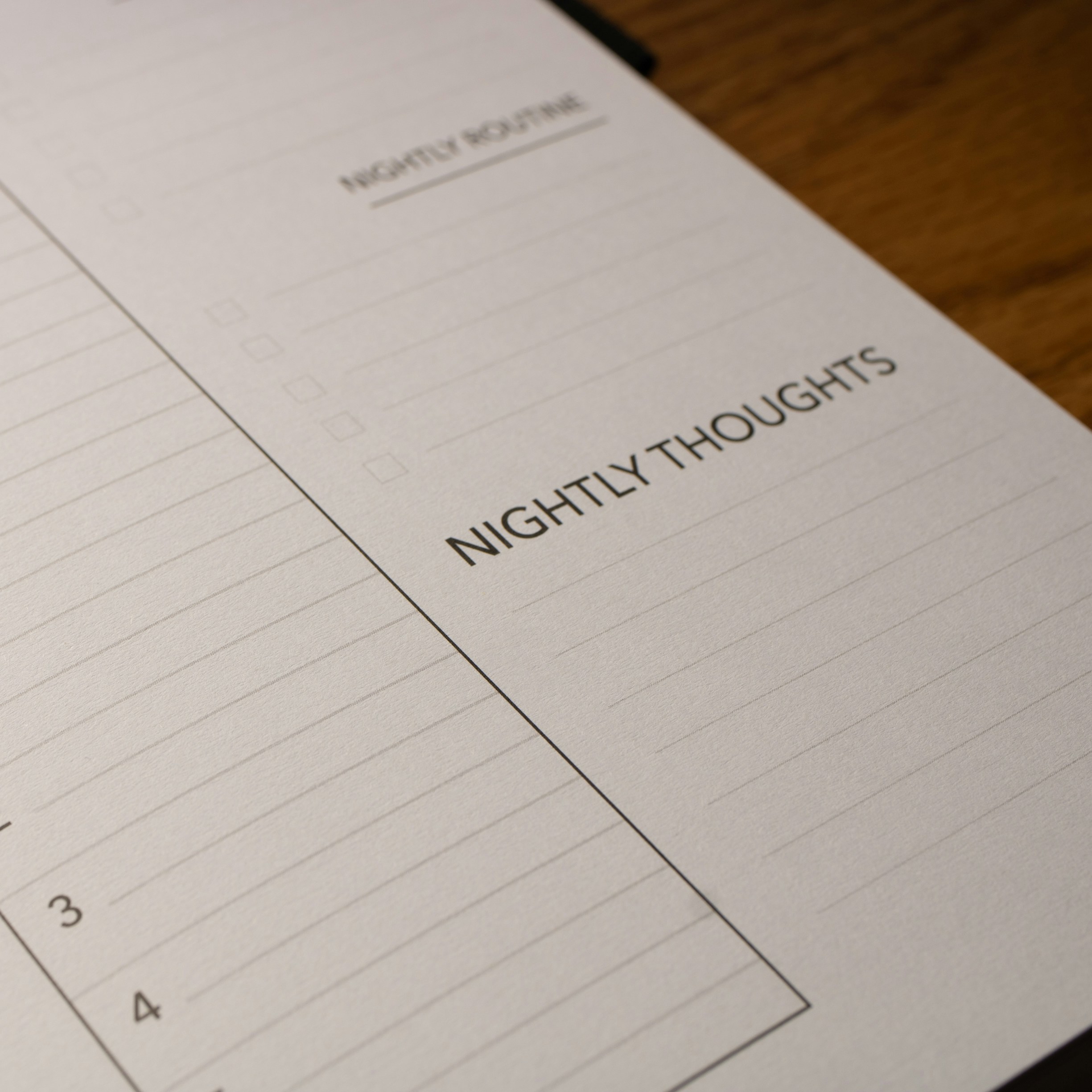
Introduction to the Importance of Bedtime Routines
Establishing a structured bedtime routine is crucial for promoting overall health and well-being. It is well-documented that a consistent sleep schedule can lead to significant improvements in sleep quality. By having a dedicated period for winding down at the end of the day, individuals facilitate the transition from wakefulness to sleep. This transition is vital, as it allows the body to prepare for restorative sleep, which is necessary for both physical and mental health.
The mental health benefits of a bedtime routine cannot be overstated. Engaging in calming activities before sleep, such as reading, meditating, or gentle stretching, can reduce levels of stress and anxiety. These activities help signal the brain that it is time to relax, making it easier to drift off into slumber. Conversely, irregular sleep patterns and a lack of routine can lead to increased irritability, anxiety, and mood swings, thereby impacting daily functioning.
Moreover, the connection between bedtime habits and physical well-being is profound. Quality sleep is essential for the body’s repair processes and metabolic functions. A structured routine not only enhances the chances of falling asleep faster but also promotes deeper sleep cycles. Consequently, this enables the body to rejuvenate effectively, which can lead to improved immunity, better cardiovascular health, and enhanced cognitive functions.
In addition to the advantages mentioned, establishing a bedtime routine enables individuals to prioritize their sleep health amidst the distractions of modern life. In an era marked by technology and constant stimulation, creating a designated time to unplug and focus on relaxation can be particularly beneficial. Thus, adopting a consistent nighttime routine can foster a more balanced approach to health, promoting better sleep, improved mental clarity, and overall well-being.
Identifying Individual Sleep Needs
Understanding individual sleep needs is crucial for establishing a healthy bedtime routine. Sleep requirements can significantly vary from one person to another, influenced by a myriad of factors including age, lifestyle, and health conditions. Therefore, self-assessment techniques play an essential role in discovering one’s ideal sleep duration and quality.
To begin this self-assessment, individuals should consider their current daily routines and how these may impact sleep. Keeping a sleep journal for at least one to two weeks can prove beneficial. In this journal, it’s advisable to note down the time of sleep, wake-up times, any disturbances experienced during the night, and overall energy levels throughout the day. This method provides insights into sleep patterns and can help identify whether one is getting sufficient rest or if adjustments are required.
Age is another significant factor impacting sleep needs. For instance, newborns need approximately 14 to 17 hours of sleep daily, while teenagers require about 8 to 10 hours. Conversely, adults typically need between 7 to 9 hours. Understanding these age-related requirements is vital for aligning one’s sleep habits with health standards.
Lifestyle factors also play a pivotal role in determining individual sleep needs. High-stress jobs, frequent travel, or irregular work hours can disrupt the body’s natural sleep-wake cycle, leading to varying sleep obligations. Furthermore, existing health conditions such as sleep apnea or chronic pain can significantly alter sleep quality and duration. Those experiencing such issues may need to consult health professionals for tailored advice.
Recognizing your unique sleep needs is an essential step in crafting a personalized bedtime routine that optimizes rest and improves overall well-being.
Creating a Relaxing Pre-Sleep Environment
Establishing a conducive sleep environment is essential for promoting relaxation and enhancing the quality of sleep. A calming bedroom space can facilitate a smooth transition into restful slumber. One of the key factors to consider is lighting. In the hours leading to bedtime, opt for soft, warm lighting that mimics the natural sunset. Avoid bright overhead lights or screens emitting blue light, which can interfere with the body’s natural circadian rhythm, ultimately jeopardizing the ability to fall asleep.
Noise reduction is another critical aspect of a relaxing pre-sleep environment. Sounds from outside or within the home can be disruptive, causing difficulty in achieving a peaceful state of mind prior to sleep. Consider using earplugs, a white noise machine, or a fan to create a consistent sound that drowns out sudden noises. A tranquil ambiance can further promote relaxation and help in preparing the mind for rest.
Comfortable bedding plays a pivotal role in creating an inviting atmosphere for sleep. Invest in high-quality mattresses and pillows that offer adequate support and comfort. The choice of bed linens can also enhance the overall experience; opt for breathable fabrics that regulate temperature and wick away moisture. This combination fosters a cozy environment, reducing disturbances caused by discomfort during sleep.
Temperature control is an often overlooked aspect of creating a relaxing bedroom environment. Ideal sleeping conditions typically range between 60 to 67 degrees Fahrenheit (15 to 19 degrees Celsius). Use fans, air conditioning, or appropriate bedding to maintain a comfortable temperature. Ensuring a cool, yet comfortable ambiance can significantly contribute to your body’s ability to relax and prepare for a restful night. In conclusion, by integrating thoughtful lighting, noise reduction strategies, comfortable bedding, and effective temperature control, you can cultivate an optimal setting for sleep and relaxation.
Setting a Consistent Sleep Schedule
Establishing a consistent sleep schedule is crucial for promoting healthy sleep patterns. Going to bed and waking up at the same time every day can help regulate the body’s internal clock, also known as the circadian rhythm. The circadian rhythm is a natural process that influences various physiological functions, including sleep-wake cycles, hormone release, and body temperature. A well-regulated circadian rhythm leads to improved sleep quality and helps individuals feel more alert during waking hours.
Maintaining a regular sleep-wake schedule encourages the body to anticipate sleep, which can make it easier to fall asleep and wake up. Studies have shown that people who adhere to consistent sleep times experience less difficulty in falling asleep and tend to enjoy deeper sleep compared to those who have irregular schedules. This is particularly important during the weekdays, as fluctuating sleep patterns on weekends can disrupt the body’s rhythm, leading to feelings of fatigue and grogginess.
Moreover, a set sleep schedule is beneficial not only for sleep quality but also for overall health. Consistent sleep patterns have been linked to reduced stress levels, improved mood, and enhanced cognitive functioning. This results in better performance at work or school and an overall more productive day. To help establish this routine, individuals might consider setting a nightly alarm that signals when it’s time to unwind, as well as limiting exposure to screens and stimulating activities before bedtime.
Incorporating these practices into daily life encourages a healthier lifestyle, advancing both physical and mental wellbeing. Ultimately, committing to a consistent sleep schedule is an effective strategy for anyone seeking to enhance their sleep quality and daily alertness.
Incorporating Wind-Down Activities
Establishing a well-defined bedtime routine is essential for promoting a restful night’s sleep. A key component of this routine is the incorporation of wind-down activities, which signal to the body that it is time to transition from the busyness of the day to a state of relaxation conducive to sleep. These practices can help quiet the mind and prepare both the body and brain for rest.
One popular wind-down activity is reading. Engaging with a book, particularly one with a calming narrative, can effectively distract the mind from daily stressors and promote relaxation. It is advisable to choose materials that are not overly stimulating or emotionally charged; thus, gentle fiction or poetry may serve this purpose well. Additionally, it is recommended that individuals opt for physical books rather than electronic devices, as the blue light emitted from screens can interfere with the body’s natural sleep-wake cycle.
Meditation is another highly beneficial practice when winding down for the night. Techniques such as mindfulness meditation or deep-breathing exercises can significantly lower stress levels and promote a feeling of calm. Even a short session, lasting just five to ten minutes, can be effective in preparing the mind for sleep. By focusing on the breath or employing guided imagery, individuals can create a serene mental environment that facilitates a smoother transition to slumber.
Light stretching is also an excellent way to ease into sleep. Gentle movements and stretches can alleviate tension built throughout the day, promoting physical comfort. This activity helps improve flexibility and blood flow, making it easier for the body to relax and prepare for sleep. Adding a few minutes of stretching to a bedtime routine can be an effective method for enhancing overall sleep quality.
Limiting Screen Time Before Bed
The prevalence of screen usage has significantly increased in recent years, particularly in the hour leading up to sleep. Many individuals find themselves engrossed in digital devices such as smartphones, tablets, and computers, unaware of the potential impact on their sleep quality. A key contributing factor to the detrimental effects of screen time is the blue light emitted by these devices. Research indicates that exposure to blue light can interfere with melatonin production—a hormone that regulates sleep-wake cycles. When melatonin levels are disrupted, individuals may struggle to fall asleep, experience reduced sleep quality, and suffer from daytime fatigue.
To mitigate the adverse effects of screens on sleep, it is recommended to establish a routine that limits screen exposure in the hour before bedtime. One effective strategy is to create a digital curfew, designating a specific time each evening when all screens should be turned off. This allows the body to naturally transition into a restful state, preparing for sleep. Rather than engaging with devices during this time, consider alternative activities that promote relaxation, such as reading a book, practicing meditation, or engaging in gentle stretches.
Additionally, if screen usage is necessary before bed, some practical measures can help reduce blue light exposure. Many devices now offer features or apps that filter blue light or adjust screen brightness to warmer tones in the evening. Using these settings can help protect melatonin levels. Furthermore, wearing blue light blocking glasses in the hour prior to sleep can also serve as an effective tool in minimizing visual disruption.
Ultimately, by consciously limiting screen time before bed, individuals can foster healthier sleep patterns and enhance overall well-being. Prioritizing a calming bedtime environment free of digital distractions will pave the way for more restorative sleep and improved daytime functioning.
Mindful Eating and Drinking Habits
Adopting mindful eating and drinking habits can significantly influence sleep quality. The foods and beverages consumed in the hours leading up to bedtime play a crucial role in determining both the ease of falling asleep and the depth of sleep experienced throughout the night. It is essential to be aware of dietary choices that might hinder restful sleep.
Caffeine, found in coffee, tea, chocolate, and some soft drinks, is a well-known stimulant that can disrupt the sleep cycle. Its effects can last up to six hours in the body, which means consuming caffeinated products in the afternoon or evening may lead to difficulties in falling asleep and a less restorative sleep experience. Therefore, it is advisable to limit caffeine intake, particularly in the late hours, to promote better sleep quality.
Similarly, heavy meals before bedtime can lead to discomfort, indigestion, and ultimately interfere with the ability to sleep well. Consuming large quantities of food or high-fat meals can cause the body to work harder to digest, making it more challenging to relax and settle into a peaceful sleep. As a rule of thumb, it is best to finish any major meals at least two to three hours before heading to bed.
On the other hand, there are certain snacks that can promote better sleep. Foods rich in magnesium, such as bananas, almonds, and sunflower seeds, or those high in melatonin, such as cherries and oats, can be beneficial. Incorporating a light snack containing these nutrients in the evening may help facilitate a smoother transition into sleep. Additionally, herbal teas like chamomile or valerian root tea can provide soothing effects, further assisting in relaxation before bedtime.
Establishing a Relaxation Routine
Creating a personalized relaxation routine plays a vital role in preparing for sleep. As individuals navigate the pressures of daily life, a tailored approach to winding down can significantly enhance the overall quality of sleep. Utilizing relaxation techniques not only calms the mind but also can alleviate physical tension, promoting a smoother transition into restfulness.
One effective technique is deep breathing. This involves slow, intentional inhalation and exhalation, focusing on the rhythm of one’s breath. Practicing deep breathing for just a few minutes each evening can help reduce anxiety and lower heart rates, paving the way for a peaceful night’s sleep. Another method worth incorporating is progressive muscle relaxation, where individuals systematically tense and then relax different muscle groups. This technique fosters a greater awareness of bodily sensations, allowing for the release of stored tension, which is particularly beneficial before bedtime.
Aromatherapy is another excellent addition to a nightly routine. Integrating essential oils, like lavender or chamomile, into the evening can create a serene environment conducive to relaxation. These scents are known for their calming properties, often used in conjunction with other techniques. Utilizing a diffuser in the bedroom or applying diluted oils to pulse points can significantly enhance the bedtime atmosphere.
To effectively integrate these relaxation techniques into an evening routine, consistency is key. Setting aside 30 minutes before bed to engage in these practices can signal to the body that it is time to unwind. Additionally, creating a dedicated, distraction-free space enhances the effectiveness of these strategies, establishing an inviting environment that supports sleep preparation. Personalizing the routine based on individual preferences will lead to greater adherence and improved outcomes.
Troubleshooting Common Sleep Issues
Even with a well-established bedtime routine, individuals may encounter sleep challenges that can disrupt their overall sense of restfulness. Common issues include insomnia, frequent awakenings during the night, and anxiety associated with the sleeping process. Acknowledging these problems is the first step toward finding effective solutions.
Insomnia, characterized by difficulty falling or staying asleep, can be particularly frustrating for those adhering to a consistent bedtime schedule. To address this issue, it is beneficial for individuals to assess their pre-sleep activities. Limiting screen time at least an hour before bed, creating a relaxing environment, and engaging in calming activities such as reading or practicing meditation can enhance sleep quality. Additionally, incorporating techniques such as progressive muscle relaxation or deep breathing exercises may also alleviate tension and prepare the mind for slumber.
Frequent awakenings throughout the night often stem from interruptions such as noise, uncomfortable bedding, or even anxiety. To minimize disturbances, it is advisable to maintain a tranquil sleeping environment. This could include using white noise machines or earplugs to block out loud sounds and ensuring the sleep space is cool, dark, and comfortable. Furthermore, considering the choice of mattress and pillows can play a significant role in minimizing physical discomfort during sleep.
Lastly, anxiety related to sleep can create a cycle of worry that further complicates achieving restful nights. Practicing mindfulness and establishing a wind-down routine can help mitigate these feelings. Journaling before bed to articulate worries or stressors may provide a release that improves overall sleep quality. Incorporating cognitive-behavioral strategies can also be advantageous for reframing negative thoughts associated with sleeping difficulties.
It is essential not to dismiss these challenges, as they can significantly impact overall health and well-being. By implementing these practical solutions, individuals struggling with sleep can work toward regaining their nightly rest.


