
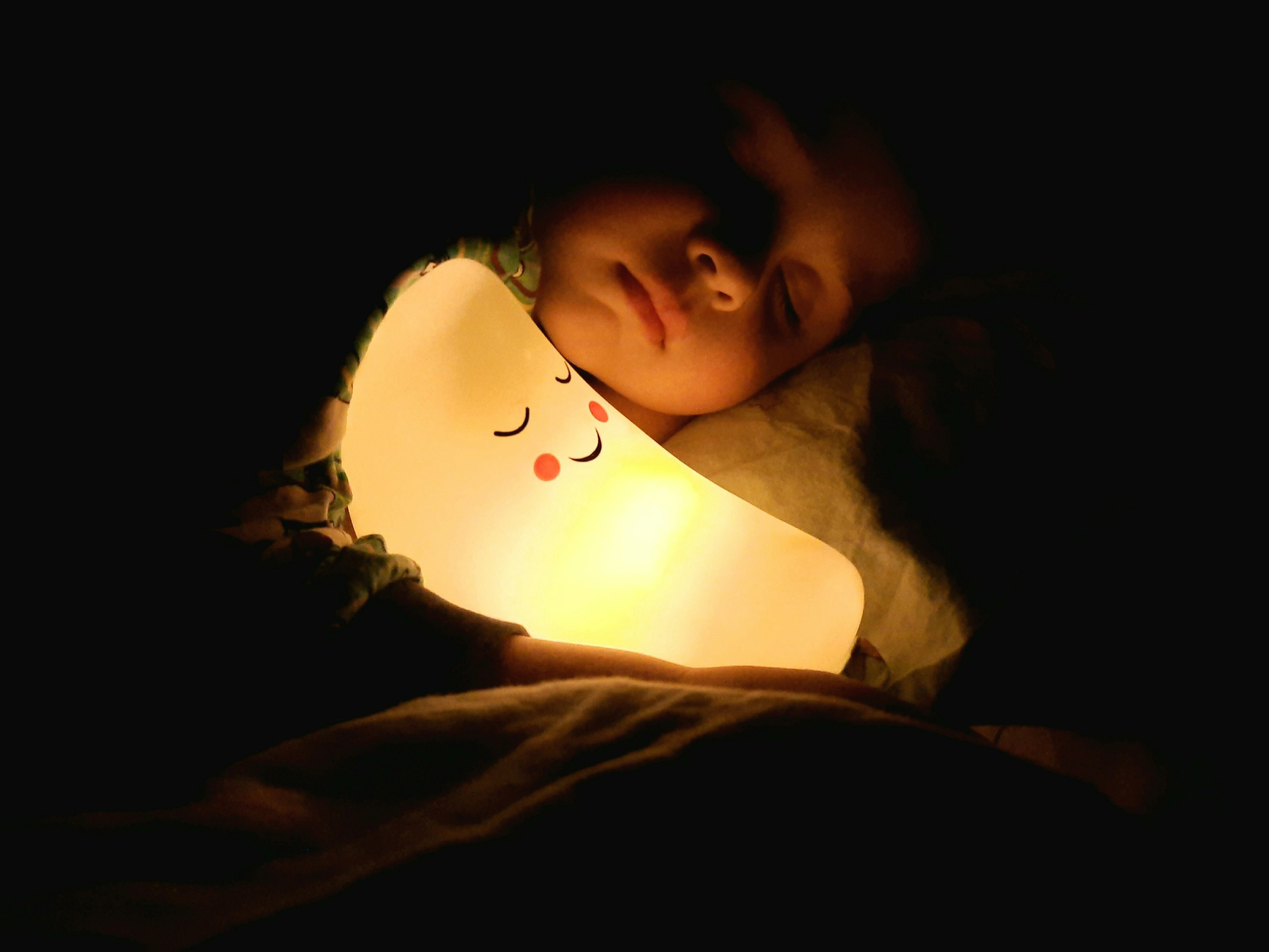
Understanding Pediatric Sleep Needs
Sleep plays an essential role in the overall development and well-being of children, with requirements varying significantly across different age groups. Infants, typically ranging from birth to 12 months, have the highest sleep needs, requiring approximately 14 to 17 hours of sleep per day. This extensive amount of rest is crucial for their rapid growth and brain development as they navigate their first year of life.
As children transition into toddlers, between the ages of 1 and 3 years, their sleep needs gradually decrease to about 12 to 14 hours. During this stage, establishing a consistent bedtime routine becomes vital. It is during this period that physical activity and cognitive development flourish, both of which are supported by adequate sleep.
For preschool-aged children, ages 3 to 5 years, the sleep requirement continues to diminish slightly to around 10 to 13 hours per night. As they begin attending school, the quality of sleep becomes increasingly important. Insufficient sleep can lead to behavioral issues and impair cognitive performance, affecting their learning capabilities and emotional regulation.
As children reach school age, typically from 6 to 13 years, they need about 9 to 12 hours of sleep nightly. At this stage, sleep contributes significantly to their ability to concentrate, retain information, and perform academically. A routine sleep schedule is critical as it enhances the quality of sleep and helps counteract the effects of any stressors faced during the school day.
Finally, during the adolescent years, ages 14 to 17, the sleep requirement stabilizes at around 8 to 10 hours per night. Despite their reduced need, many teenagers experience sleep deprivation due to social factors, academic pressures, and increased screen time. Recognizing these unique sleep demands at each developmental stage is vital for promoting healthy sleep habits that support physical and cognitive growth.
Common Signs of Sleep Problems in Children
Sleep problems in children can manifest through various behavioral and physical indicators. Recognizing these signs early can be crucial for addressing potential issues effectively. One of the most evident signs is increased irritability. A child who is experiencing sleep difficulties may exhibit mood swings, excessive crying, or tantrums, which can hinder their ability to engage positively with peers or family members.
Difficulty waking up is another frequent indicator of sleep problems. If a child struggles to get out of bed in the morning, often appearing groggy or disoriented, it may suggest that they are not receiving adequate rest at night. This can lead to a cycle of fatigue that affects their performance in school and their social interactions throughout the day.
Daytime fatigue is a significant sign that a child may not be sleeping well. Children who frequently complain of tiredness during the day, have trouble focusing, or lack the energy to participate in activities may be suffering from insufficient sleep. This state of fatigue can negatively impact their academic performance and overall mood.
Sleep disturbances are also critical indicators of sleep problems. Symptoms like snoring, breathing irregularities, or episodes of sleepwalking can suggest that there are underlying issues contributing to poor sleep quality. Nightmares or night terrors can further exacerbate sleep-related difficulties, leading to increased anxiety around bedtime.
It is essential to monitor these signs and address them promptly. A child experiencing one or more of these symptoms may benefit from a consultation with a healthcare professional to understand the underlying causes of their sleep problems. Timely intervention can help improve their sleep quality, leading to better emotional and physical health outcomes.
Link Between Sleep Disorders and Behavioral Issues
In recent years, the connection between sleep disorders in children and behavioral issues has gained significant attention from researchers and healthcare professionals alike. Sleep problems such as insomnia, sleep apnea, and restless leg syndrome can manifest in various behavioral challenges, which often include attention deficits, mood swings, and difficulties with learning. As children struggle to attain adequate restful sleep, their ability to function effectively during the day diminishes, leading to potential problems in social interactions, academic performance, and emotional regulation.
Attention problems are particularly notable in children with sleep disorders. A lack of sufficient sleep can impair cognitive functions, making it challenging for a child to concentrate and retain information. This can result in daydreaming, forgetfulness, and a general incapacity to focus on tasks, which might be mistaken for attention-deficit hyperactivity disorder (ADHD). Consequently, accurate diagnosis and intervention are crucial to ensure that these sleep-related issues are addressed rather than misinterpreted.
Mood swings are another significant indicator of sleep problems in children. Insufficient sleep may lead to irritability, increased frustration, and heightened emotional sensitivity. The connection between sleep and mood is well-documented, with many children displaying behavioral issues that can exacerbate as their sleep quality deteriorates. These mood-related challenges can affect relationships with peers and family members, further complicating the child’s emotional landscape.
Moreover, sleep disorders can hinder learning abilities, as a well-rested brain is essential for optimal cognitive development. Children may struggle with completing homework or participating in class discussions when they are fatigued. Understanding the link between sleep problems and these behavioral challenges highlights the necessity for parents and educators to recognize potential sleep issues and seek effective interventions.
Identifying Specific Sleep Disorders
Sleep disorders encompass a range of conditions that can significantly affect children’s daily functioning, emotional health, and overall well-being. Among the most prevalent sleep disorders in children are insomnia, sleep apnea, restless leg syndrome, and night terrors. Each of these disorders presents unique symptoms that can affect a child’s quality of sleep.
Insomnia in children is characterized by difficulty falling asleep, staying asleep, or experiencing restful sleep. Symptoms may include prolonged periods of wakefulness at night, frequent awakenings, and daytime fatigue. Insomnia can lead to issues such as irritability, difficulty concentrating, and even academic struggles if not addressed timely.
Sleep apnea, another serious condition, involves repeated interruptions in breathing during sleep. Symptoms often include loud snoring, gasping for air, and excessive daytime sleepiness. If untreated, sleep apnea can have lasting effects, such as growth delays, behavioral problems, and cardiovascular issues, impacting a child’s health in notable ways.
Restless leg syndrome (RLS) manifests as an overwhelming urge to move the legs, often accompanied by uncomfortable sensations. This condition typically worsens during periods of inactivity or at night, making it difficult for children to fall asleep. As a result, RLS can lead to insufficient rest, causing irritability and affecting a child’s overall mood and cognitive functioning.
Night terrors are distinct from nightmares and are characterized by sudden awakenings, often accompanied by intense fear and confusion. Children experiencing night terrors may scream or thrash about but typically do not remember the episode in the following morning. While generally benign, recurrent night terrors can be distressing for both the child and the parents, necessitating appropriate management.
Understanding and identifying these specific sleep disorders is crucial for parents and caregivers. Early recognition and intervention can help improve a child’s sleep quality, leading to better behavioral outcomes and enhanced overall health.
Creating a Healthy Sleep Environment
Establishing a conducive sleep environment is critical for promoting healthy sleep patterns in children. A well-organized bedroom significantly influences a child’s ability to fall asleep and stay asleep throughout the night. The first step in creating this environment is to ensure that the sleeping area is dark, quiet, and cool. Utilizing blackout curtains can prevent external light from disrupting a child’s sleep cycle, while a white noise machine or soft music can mask background noises that might interfere with peaceful slumber.
Another vital aspect of enhancing sleep quality is the choice of bedding and furniture. Ensure that the child’s mattress and pillows are comfortable and supportive, catering to their specific sleeping needs. Ideally, a mattress should not be too firm or too soft, providing a balanced surface that promotes proper spinal alignment. Additionally, including calming colors and age-appropriate decorations can create an inviting atmosphere that encourages relaxation.
Establishing a consistent nighttime routine is equally important. Dedicating time for calming activities such as reading together or taking a warm bath can help signal to the child that it is time to wind down. Consistency in the bedtime schedule, where the same activities are performed in a similar order, provides children with a sense of security and helps reinforce healthy sleep habits. It is beneficial to limit screen time one hour before bed, as exposure to blue light emitted by devices can hinder the production of melatonin, the hormone responsible for regulating sleep.
Finally, minimizing distractions is crucial. This involves keeping the child’s room tidy and free from toys or other stimulating items that might provoke activity rather than rest. By incorporating these strategies, parents can significantly improve their child’s sleep environment, ultimately contributing to better sleep quality and overall well-being.
Establishing Effective Bedtime Routines
A consistent bedtime routine is essential for promoting healthy sleep patterns in children. Establishing a predictable sequence of activities before sleep helps signal to youngsters that it is time to settle down, thereby easing the transition from wakefulness to restful sleep. Research indicates that children who follow a regular bedtime routine tend to fall asleep faster and experience better overall sleep quality.
An effective bedtime routine should ideally commence at the same time each evening, as this consistency reinforces the body’s natural circadian rhythms. This routine can encompass various calming activities that help children relax before bedtime. For instance, parents might consider incorporating a warm bath, which not only aids in relaxation but also serves as a soothing sensory experience. Following that, engaging in quiet activities such as reading a story or listening to soft music can further promote a tranquil environment conducive to sleep.
In addition to these activities, it is vital to create a sleep-friendly environment. This includes dimming the lights in the bedroom, reducing noise levels, and ensuring a comfortable room temperature. Such environmental modifications can enhance the calming effect of the bedtime routine. Moreover, discussing the plans for the next day can alleviate any anxieties that may interfere with a child’s ability to fall asleep.
Another beneficial component is incorporating mindfulness or relaxation techniques into the routine. Simple breathing exercises, gentle stretching, or practicing gratitude can foster a sense of peace and comfort. These activities not only prepare the child for sleep but also cultivate long-term habits of emotional regulation as they grow older. Therefore, establishing effective bedtime routines is crucial in developing positive sleep habits, ultimately benefiting the child’s overall well-being.
When to Seek Professional Help
Determining when a child’s sleep problems require professional intervention can be challenging for parents. It is essential to recognize the signs that indicate a deeper issue that may need evaluation by a healthcare provider. Children may experience a range of sleep disturbances, including insomnia, nightmares, sleepwalking, or excessive daytime sleepiness. While occasional sleep disruptions are normal in childhood, persistent issues can often signal the need for professional help.
One key indicator that may prompt a visit to a healthcare provider is the duration and frequency of sleep disturbances. If your child has been experiencing troubled sleep patterns consistently for three or more weeks, it is advisable to seek evaluation. Additionally, if the sleep difficulties are affecting your child’s ability to function during the day—such as lowering their academic performance, impacting social interactions, or increasing irritability—professional consultation is recommended.
Parents should also pay attention to any accompanying symptoms that may indicate underlying health issues. Signs such as loud snoring, gasping for air during sleep, or excessive sweating can be indicative of sleep apnea or other sleep-related disorders. Furthermore, behavioral changes, such as increased anxiety before bedtime or reluctance to sleep alone, may also highlight the need for a thorough assessment by a specialist.
It is important to approach this process with sensitivity; children’s sleep habits can be influenced by numerous factors, including stress, changes in routine, or developmental milestones. Therefore, consulting with a pediatrician or a sleep specialist can provide the necessary guidance to determine the appropriate course of action for addressing your child’s sleep problems. By understanding and recognizing these signs and symptoms, parents can take proactive steps to ensure their child receives the help they may need for better sleep health.
Possible Treatment Options for Sleep Issues
Addressing sleep problems in children can be multifaceted, necessitating a comprehensive and tailored approach. Various treatment options exist, each catering to the unique needs of the child, and they may involve a combination of behavioral therapies, lifestyle adjustments, and, in certain cases, medical interventions.
Behavioral therapies have shown significant promise in resolving sleep disturbances. Techniques such as cognitive-behavioral therapy for insomnia (CBT-I) have been effective in helping children develop healthier sleep patterns. This approach typically involves educating both the child and the parents about sleep hygiene, establishing a consistent sleep schedule, and creating a calming bedtime routine. Gradually, children learn to self-soothe, reducing reliance on parental assistance for falling asleep.
Lifestyle adjustments are also crucial in combating sleep issues. Encouraging regular physical activity during the day can promote better sleep quality at night. Limiting screen time, particularly in the hours leading up to bedtime, can help mitigate the negative impacts of blue light on a child’s sleep cycle. Additionally, ensuring the sleep environment is conducive to rest by keeping the room dark, cool, and quiet can significantly influence a child’s ability to fall asleep and stay asleep.
In certain instances, a medical intervention may be warranted, particularly if sleep problems are linked to underlying health conditions, such as sleep apnea or anxiety disorders. Consulting healthcare professionals can provide valuable insights and potential treatment options, which may include medication or referrals for sleep studies if necessary. It is essential for parents to work collaboratively with medical providers to address any underlying issues that could be contributing to the child’s sleep problems.
Ultimately, the key to effectively tackling sleep issues in children is a personalized and flexible approach, incorporating various strategies to meet the individual needs of each child.
Promoting Long-Term Healthy Sleep Habits
Establishing healthy sleep habits in children is crucial for their development and well-being, and these habits often carry through into adulthood. Parents play a fundamental role in promoting positive attitudes toward sleep. One effective approach is to create a consistent bedtime routine that signals to the child that it is time to wind down. This routine can include calming activities such as reading a book, taking a warm bath, or engaging in relaxation exercises. By incorporating these practices, children will develop a sense of security and predictability around their sleep schedule, which can significantly improve their sleep quality over time.
Additionally, sleep hygiene is essential for fostering long-term sleep health. This includes educating children on the importance of a conducive sleep environment. Parents should ensure that their children’s sleeping areas are quiet, dark, and cool, minimizing distractions from electronic devices or noise that could hinder sleep. Teaching children to limit screen time before bed can also enhance their ability to fall asleep. Research has indicated that blue light from screens can interfere with the natural sleep cycle, making it vital to encourage non-digital activities during the hour leading up to bedtime.
Furthermore, promoting a balanced lifestyle that includes regular physical activity and a nutritious diet can support overall sleep health. Parents should encourage their children to engage in daily exercise, as it has been shown to help improve sleep duration and quality. Alongside physical activity, fostering an understanding of nutrition can teach children how certain foods impact energy levels and sleep patterns. By addressing these elements holistically, parents can set their children on the path to effective sleep practices that extend well into their adult lives, ensuring they appreciate the value of restorative sleep and its role in overall health.


