
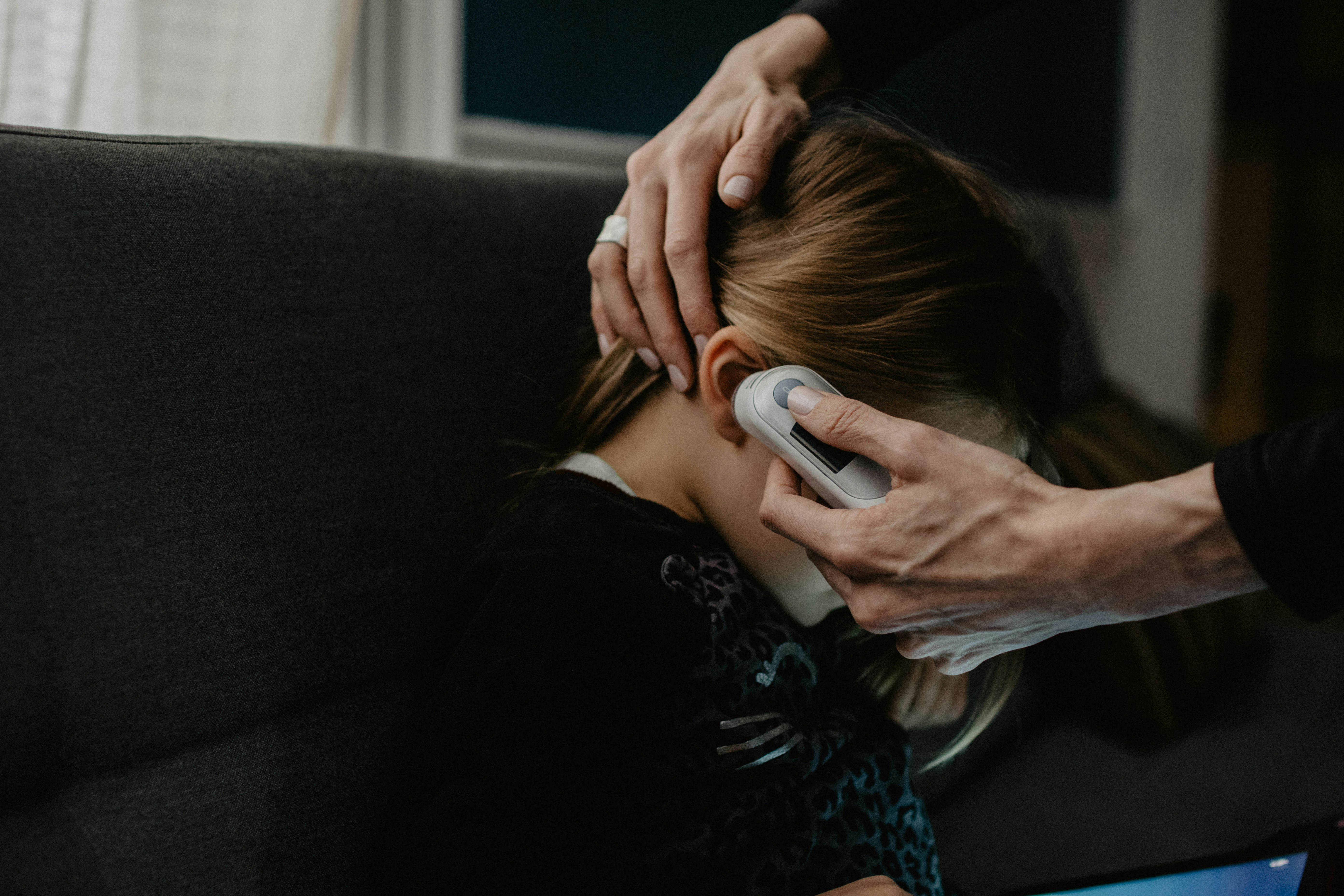
Introduction to Common Childhood Illnesses
Childhood is a pivotal phase of human development, marked by numerous physiological changes and increasing interactions with peers and the environment. During this period, children are particularly vulnerable to a variety of illnesses that, while common, can significantly impact their overall health and well-being. Understanding these childhood illnesses is crucial for parents and caregivers, as it allows for better management and timely interventions when necessary.
Among the most prevalent conditions affecting young children are respiratory infections such as the common cold and influenza (flu). The common cold is typically characterized by symptoms including a runny nose, cough, and mild fever. In contrast, the flu presents more severe symptoms such as high fever, body aches, and fatigue, often leading to school absenteeism and disrupted family routines. Another recurring issue is ear infections, which can arise from respiratory illnesses and manifest as ear pain and irritability in children, impacting their ability to hear effectively and engage in daily activities.
Gastrointestinal issues, including diarrhea and vomiting, are also frequently encountered in children and can be triggered by viral infections or dietary indiscretions. These symptoms, while often self-limiting, can lead to dehydration, necessitating careful monitoring and management. Understanding the prevalence and characteristic symptoms of these common childhood illnesses is essential for parents, as early recognition can lead to more effective home care strategies.
Moreover, knowledge of these ailments equips caregivers with the necessary insights to distinguish between mild issues and those that require professional medical intervention. As parents become more familiar with these common childhood illnesses, they can respond more effectively, ensuring their children maintain good health and a better quality of life.
Recognizing Symptoms Early
Identifying the early signs and symptoms of common childhood illnesses is crucial for effective management at home. Parents and caregivers should be adept at observing their child’s behavior and physical condition, as this awareness can lead to prompt intervention. Various symptoms can indicate a potential health issue. For instance, fever is a frequent indicator of infection, and its presence can often be the first alert for parents that something may be wrong. A temperature exceeding the normal range should prompt caregivers to monitor other symptoms closely.
Coughing is another vital symptom to recognize. It can vary in intensity and type—ranging from a mild tickle to a severe, barking cough—and can indicate conditions such as a cold, allergies, or more serious respiratory issues like bronchitis or pneumonia. Furthermore, vomiting is a concern that can lead to dehydration, especially in young children. If a child experiences repeated episodes of vomiting, it is essential to assess other symptoms like fever or diarrhea for a fuller picture of their health.
Diarrhea is equally important to monitor, as it can be a sign of viral gastroenteritis or dietary indiscretion. The combination of watery stools and other symptoms can help parents determine if a visit to the doctor is necessary. Rashes are also common among children and can be indicative of conditions like chickenpox, measles, or allergic reactions. Observing the appearance, location, and accompanying symptoms of a rash can aid in understanding its cause.
By being attuned to these symptoms—fever, cough, vomiting, diarrhea, and rashes—parents can take timely action, ensuring their child’s comfort and health while strengthening their own confidence in managing their child’s wellbeing.
Home Remedies for Common Illnesses
Managing mild childhood illnesses at home is often a practical approach for many parents. Home remedies can offer effective relief while minimizing the need for over-the-counter medications. One common ailment among children is the cough, which can be soothed with a natural remedy: honey. Honey is known for its soothing properties and can help alleviate coughing by coating the throat. However, it is essential to note that honey should only be given to children over the age of one, due to the risk of botulism in infants. A teaspoon of honey, especially when mixed with warm water or herbal tea, can provide comfort and promote better sleep.
Another frequent issue during childhood is nausea, which can stem from various causes, including motion sickness or viral infections. Ginger is a well-known natural remedy for nausea and can be administered in various forms, such as ginger tea, ginger ale, or even ginger root chews. This spice not only helps ease stomach discomfort but also has anti-inflammatory properties that can benefit overall health. Parents should be vigilant about how much ginger they provide, ensuring that it is age-appropriate, as excessive amounts may lead to digestive upset.
For children experiencing nasal congestion, saline solutions serve as a gentle yet effective home remedy. These solutions can help to moisturize the nasal passages and reduce swelling, making it easier for children to breathe. Saline sprays and drops are widely available, but they can also be easily made at home by mixing salt with warm water. A few drops in each nostril can help clear congestion and provide relief from the discomfort associated with colds or allergies.
Utilizing these home remedies can empower parents to manage common childhood illnesses effectively. By employing natural treatments like honey for coughs, ginger for nausea, and saline solutions for nasal congestion, families can find relief in a safe and accessible manner.
When to Consult a Physician
Parents often find themselves in situations where they must determine whether a child’s condition warrants a visit to the physician. Knowing when to seek medical advice can be critical for ensuring the safety and well-being of a child. There are specific symptoms and warning signs that should prompt immediate consultation with a medical professional.
High fever is one of the most common red flags that parents should monitor closely. A fever in a child is generally considered concerning if it reaches 100.4 degrees Fahrenheit (38 degrees Celsius) or higher. For children under 2 months of age, any fever warrants immediate medical attention due to the risk of serious infections. Additionally, fevers that persist for more than three days in children of all ages also require consultation.
Another symptom that necessitates a physician’s evaluation is severe or persistent pain. Whether it’s abdominal pain, headaches, or any unexplained discomfort, parents should not dismiss intense pain, as it may indicate an underlying condition that requires careful assessment. Ear infections, appendicitis, or other medical emergencies often present with significant pain and should therefore not be ignored.
Difficulty breathing is another alarming symptom that mandates immediate medical intervention. Signs such as rapid breathing, wheezing, or gasping for air indicate that a child may be in respiratory distress. It is essential for caregivers to remain vigilant, as respiratory issues can escalate quickly and require urgent care.
Additionally, any sudden changes in behavior, such as excessive lethargy, difficulty waking, or confusion, serve as important indicators that something may be wrong. These symptoms may be accompanied by others, such as a rash or change in skin color, which can further signal the need for immediate evaluation.
By staying informed about these warning signs, parents can act promptly when necessary, ultimately ensuring their child receives appropriate care without unnecessary delay.
Hydration and Nutrition Management
During episodes of common childhood illnesses, proper hydration and nutrition play crucial roles in facilitating recovery. When children are unwell, they often lack the appetite or enthusiasm to eat and drink, making it vital for caregivers to employ effective strategies to ensure they receive adequate fluids and nourishment. Dehydration is a common concern during illnesses such as fever, vomiting, or diarrhea, where fluid loss occurs rapidly. Thus, prioritizing hydration is fundamental.
One effective method to encourage fluid intake is by offering small sips of water or oral rehydration solutions frequently rather than large quantities at once. This approach can be less overwhelming for a child who may be hesitant to drink. Electrolyte solutions, available in pediatric formulations, are essential during illnesses that lead to significant fluid loss; these not only hydrate but also replenish vital minerals. Parents should also keep an eye on subtle signs of dehydration, including dry mouth, decreased urination, or lethargy, as these alert signs necessitate immediate attention.
Nutrition during illness should focus on easily digestible foods that provide energy and essential nutrients. Options such as bananas, rice, applesauce, and toast (often referred to as the “BRAT” diet) can be beneficial. These foods can help soothe upset stomachs and provide necessary carbohydrates. Additionally, incorporating nutrient-rich foods such as soups, broths, and mashed vegetables can offer hydration as well as nourishment. These preparations not only assist in recovery but also stimulate a child’s appetite—an essential outcome when managing childhood illnesses.
Incorporating these hydration and nutrition management strategies can significantly impact a child’s recovery process, ensuring that they remain comfortable, hydrated, and well-nourished during their illness, thereby supporting an optimal recovery experience.
Comfort Measures at Home
When children fall ill, creating a supportive and soothing environment at home plays a crucial role in their recovery. It is essential to prioritize rest, as sleep enables the body to heal and combat illness. Ensure that your child has a quiet space to relax, potentially in a room that is dimly lit and free from distractions. Limiting noise and minimizing stimulating activities can help facilitate a restful atmosphere.
Maintaining a clean and cozy environment also contributes significantly to your child’s comfort. Regularly sanitizing common surfaces, such as doorknobs and toys, reduces the risk of spreading germs and can help prevent additional infections. Furthermore, keeping the home at a comfortable temperature is essential. During colder months, using blankets and ensuring proper heating can make your child feel more secure and at ease.
Appropriate bedding and clothing are vital components of your child’s comfort measures. Soft, breathable fabric is ideal for pajamas, while lightweight blankets can provide warmth without overheating. Ensure that bedding is clean and changed frequently to maintain hygiene; this can be especially important when your child is unwell. Dress your child in layers, as this allows for adjustments based on their comfort level—adding or removing clothing as necessary can help prevent them from becoming too warm or too cold.
Overall, these comfort measures not only ease your child’s discomfort but also create a positive environment conducive to recovery. Paying attention to elements such as rest, cleanliness, and suitable bedding allows for a holistic approach to managing common childhood illnesses at home. By prioritizing these factors, caregivers can support their child’s recovery journey effectively.
Managing Fever and Pain
Fever and pain are common symptoms in childhood illnesses, often causing distress to both children and parents. Effective management of these symptoms is crucial for the comfort and well-being of a child. Parents have various options, including over-the-counter medications and natural methods, to safely alleviate discomfort.
When considering over-the-counter medications, acetaminophen and ibuprofen are widely used for reducing fever and relieving pain in children. Acetaminophen can be given to infants as young as two months, while ibuprofen is generally recommended for children over six months. It is essential to adhere to the recommended dosages according to the child’s age and weight, typically indicated on the medication packaging. For instance, acetaminophen can be administered every four to six hours, but not exceeding five doses within a 24-hour period. Ibuprofen can be given every six to eight hours, with a maximum of four doses in the same timeframe. Keeping a record of dosages and timing is advisable to avoid any accidental overdoses.
In addition to pharmaceuticals, some parents may prefer natural methods for managing fever and pain. Simple measures such as maintaining adequate hydration, dressing the child in lightweight clothing, and ensuring a comfortable environment can be effective. Furthermore, a lukewarm sponge bath may help to lower a child’s fever gently. Essential oils, such as lavender or chamomile, can also be used in diluted forms for added comfort, though it is crucial to consult a healthcare professional before introducing any new remedies.
While managing symptoms at home, it is vital for parents to monitor their child’s condition closely. If a child’s fever exceeds 104°F, persists for more than three days, or is accompanied by additional concerning symptoms such as difficulty breathing, a rash, or persistent vomiting, seeking medical attention is imperative. Balancing symptom relief with safety is key to an effective approach to managing fever and pain in children.
Preventing Illness with Good Hygiene Practices
Ensuring the health and well-being of children requires a commitment to good hygiene practices that can significantly reduce the risk of common childhood illnesses. One of the most effective preventive measures is proper handwashing. Teaching children to wash their hands regularly, especially before meals and after using the bathroom, can prevent the spread of germs. Parents should demonstrate proper handwashing techniques, ensuring that children understand the importance of scrubbing for at least twenty seconds with soap and water. Additionally, using hand sanitizers with at least 60% alcohol can be beneficial when soap and water are not available.
Staying current on vaccinations is another crucial aspect of preventing illnesses. Vaccines protect children from various infectious diseases, helping to establish herd immunity within the community. Parents should consult their pediatricians to ensure that their children are up-to-date on all recommended vaccinations, including seasonal influenza shots, which play a vital role in preventing respiratory illnesses during flu seasons.
Food safety is also paramount in maintaining children’s health. Parents must ensure that the food they prepare is safe for consumption by practicing safe food handling techniques. This includes washing hands before food preparation, cleaning surfaces and utensils thoroughly, and storing food at proper temperatures. Additionally, children should be taught the importance of not sharing personal items such as towels, utensils, or drinking straws, as these can be common carriers of germs.
Establishing routines around hygiene and preventative health care not only minimizes the chances of illness but also promotes a sense of responsibility and awareness in children. By actively engaging in these practices, families can cultivate an environment that significantly enhances overall health and well-being.
Conclusion and Final Thoughts
Effectively managing common childhood illnesses at home is crucial for the overall well-being of children and provides parents with an invaluable opportunity to engage actively in their child’s healthcare. The insights discussed throughout this blog highlight the significance of recognizing symptoms, understanding when to seek medical care, and implementing appropriate home remedies. By being informed and prepared, parents can alleviate their child’s discomfort and promote quicker recovery.
First and foremost, it is essential for parents to maintain a well-stocked home care cabinet equipped with necessary medications, such as fever reducers and cold remedies. This proactive approach ensures that when a child falls ill, parents can promptly address their symptoms without unnecessary delays. Furthermore, knowledge about proper hydration and nutrition during illness helps to support the immune system, allowing the body to heal more effectively.
Moreover, recognizing the potential signs that indicate the need for professional medical attention is vital. Parents who can differentiate between manageably mild symptoms and those requiring a pediatrician’s expertise will feel more confident when navigating their child’s health challenges. A clear understanding of childhood illnesses, such as stomach flu or respiratory infections, can empower parents to act decisively and appropriately during times of need.
Lastly, fostering a nurturing environment at home can significantly impact a child’s recovery and emotional well-being during illness. Encouragement, patience, and comfort from parents create a supportive atmosphere that aids in their child’s healing process. By embracing their role in managing their child’s health, parents become proactive advocates, instilling resilience and educating the next generation on navigating common childhood illnesses with knowledge and confidence.


