
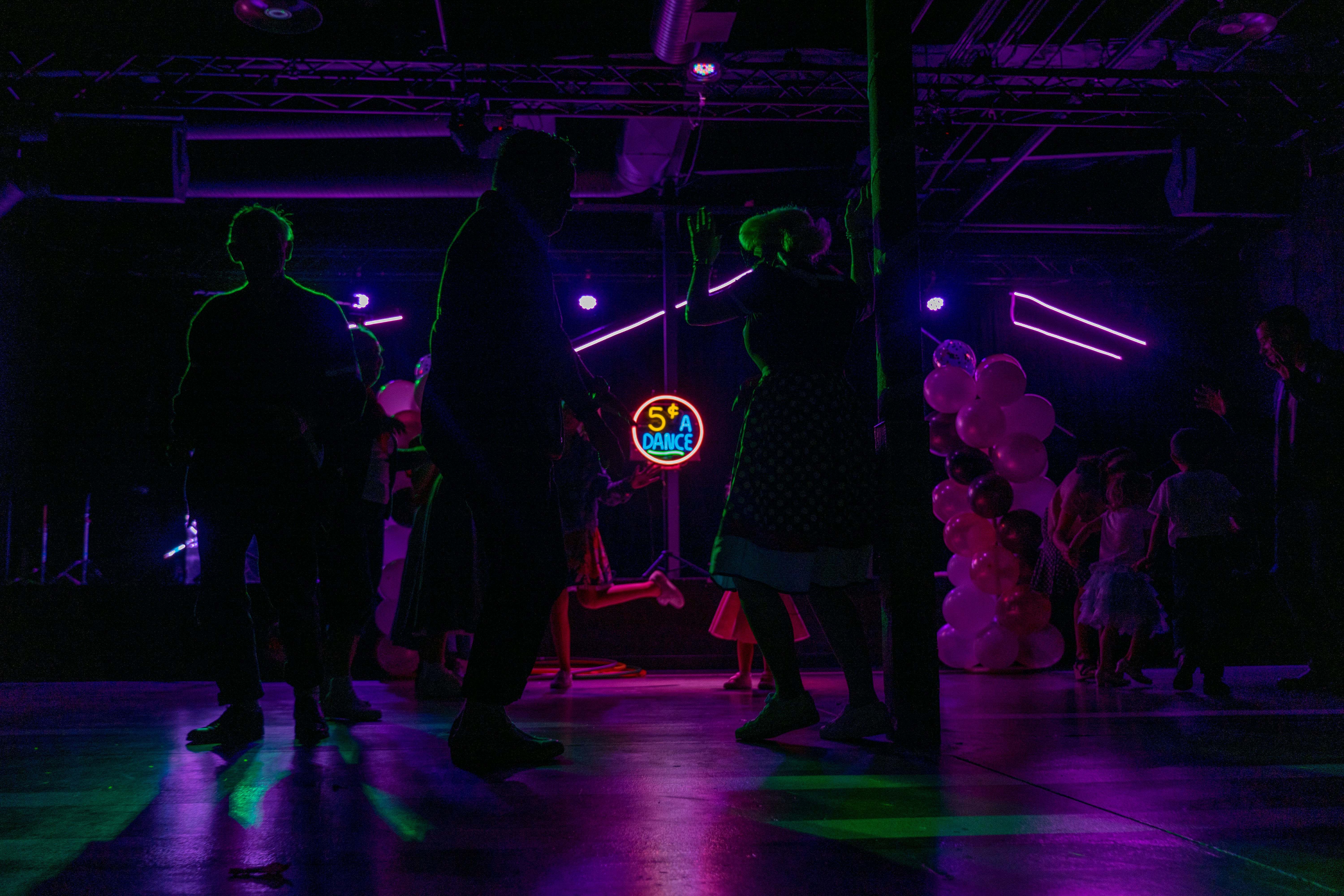
Introduction to Family Dance Parties
Family dance parties represent a unique blend of fun, exercise, and quality time, creating an enjoyable atmosphere for all participants. In recent years, this engaging activity has gained traction as families seek alternative ways to bond, cultivate happiness, and promote wellness in their homes. Dance parties can range from impromptu gatherings in the living room to more elaborate themed events, catering to various preferences and occasions.
Participating in a dance party as a family offers numerous benefits, including the enhancement of mood and well-being. Engaging in physical activity through dance can release endorphins, contributing to feelings of joy and euphoria. This uplifting experience is particularly important in fostering connection among family members, as it fosters communication and teamwork. Whether you are attempting a coordinated routine or simply enjoying spontaneous movement, the shared laughter and joy create lasting memories that strengthen familial bonds.
Additionally, family dance parties encourage creativity and self-expression. Each member can showcase their unique dance styles and personalities, allowing for an appreciation of individual differences while simultaneously building a sense of community. Various music genres can be explored during these events, exposing family members to new cultures and inspiring the discovery of new favorite songs.
The growing popularity of family dance parties can be attributed to their accessibility; they require no special equipment or venues and can be organized practically anywhere. As families navigate their busy lives, carving out time for dance parties can provide a much-needed respite from routine stressors, fostering an environment of joy and connectedness. Ultimately, this activity illustrates that dancing together is not only entertaining but is also a beneficial way to promote family unity and happiness.
Choosing the Perfect Space
Selecting the ideal space for a family dance party is a critical component that can significantly impact the overall enjoyment of the event. Firstly, it is essential to consider the amount of room available for movement. The chosen area should allow for free and unobstructed dancing, enabling participants to express themselves without feeling cramped. Rooms like the living room or basement typically offer ample space, while outdoor options, such as a backyard, can also provide an expansive area for dance activities.
Another important factor to keep in mind is acoustics, as the quality of music can either enhance or detract from the experience. Aim for a location where sound travels well, minimizing echoes or sound dampening. If indoors, consider choosing a room with hardwood or tile floors rather than carpet, as this can improve acoustics and provide a better surface for dancing. When outdoors, ensure that the music can be adequately amplified while still being conscious of noise ordinances to avoid disturbances in the neighborhood.
Creating a fun and inviting atmosphere is key to setting the mood for your dance party. Thoughtful lighting choices can transform any space into an exciting venue. Utilize string lights, disco balls, or colored LED lights to create a vibrant ambiance. Additionally, decorations that resonate with the party theme can also be a delightful touch, such as balloons, streamers, or themed cutouts that elevate the visual appeal of the space. Involving the family in decorating the area can boost enthusiasm and give everyone a sense of ownership and excitement ahead of the festivities.
In summary, careful consideration of space is crucial for a successful family dance party. By ensuring ample room for movement, optimal acoustics, and a lively atmosphere through effective lighting and décor, the party can become an unforgettable experience for all involved.
Curating an Exciting Playlist
Creating an engaging and diverse playlist is pivotal in ensuring a successful family dance party. Music not only sets the mood for the gathering but also influences the energy levels and overall enjoyment of attendees. Therefore, it is essential to curate a selection of songs that cater to various age groups, musical preferences, and family favorites. This approach will help foster an inclusive environment where everyone feels encouraged to participate.
Begin by considering the musical tastes of all family members. For younger attendees, contemporary hits from popular artists in genres like pop or modern rock can be appealing. Tracks that are catchy and easy to dance to will keep the energy high and enthusiasm alive. In contrast, older generations might appreciate classics from the ’70s and ’80s, as well as timeless rock anthems. Balancing the playlist with these generational flavors will resonate well and draw a wide array of participants to the dance floor.
Don’t hesitate to integrate various musical styles into the mix—doing so promotes a comprehensive dance experience. Incorporate elements of salsa and hip-hop, in addition to traditional pop and rock, to encourage rhythmic diversity. This approach not only enhances the playlist but also serves as an opportunity for family members to introduce one another to their preferred musical genres.
Moreover, consider developing a system of updating the playlist throughout the evening. Introducing new songs periodically maintains excitement and keeps the atmosphere lively. You could encourage suggestions from the family, allowing everyone to contribute their favorite tracks, which fosters a sense of community and shared enjoyment. By thoughtfully curating a dynamic playlist, you will ensure that your family dance party is an event to remember.
Incorporating Dance Games and Activities
To ensure a lively and engaging atmosphere during your family dance party, incorporating various dance games and activities is essential. These games not only enhance enjoyment but also encourage participation from family members of all ages, making the event memorable. One classic game to include is musical chairs. Set up chairs in a circle, ensuring there is one less chair than the number of participants. Play upbeat music as everyone walks around the chairs; when the music stops, participants must find a chair to sit on. The one left standing is eliminated, and a chair is removed for the next round until only one person remains.
Another fun game is freeze dance, which is an excellent way to get everyone moving and laughing. Participants dance freely to music until it suddenly stops. When the music halts, everyone must freeze in place. Anyone who moves is out for that round. This game is perfect for encouraging creativity as participants can let loose and express their unique dance styles. Additionally, limbo is a great way to add a physical challenge. Use a flexible stick or rope as the limbo bar and have participants take turns bending backward to pass under it without touching. After each round, lower the bar slightly to increase the difficulty and excitement.
For those looking for more creative activities, consider dance-offs or choreography challenges. Divide family members into teams and have them develop short dance routines to present. Set a time limit and provide a theme or style, such as a specific genre or movie soundtrack. Encourage participants to showcase their unique personalities and creativity. These activities inspire collaboration and introduce friendly competition, making everyone feel included. By including a selection of games and activities, you promote a festive atmosphere that resonates with everyone, ensuring the vitality of your family dance party.
Setting the Right Mood with Lighting and Decoration
Creating a vibrant and inviting atmosphere is essential for a successful family dance party. The right lighting and decorations can significantly enhance the experience, encouraging participation and fostering a sense of joy. Various lighting options, such as disco balls, fairy lights, and color-changing lamps, can transform an ordinary space into an energetic dance floor. A disco ball, with its reflective surfaces, disperses light in multiple directions, sparking an enchanting effect that entices guests to hit the dance floor. Pairing this with fairy lights, either draped across walls or hung above in cascading strands, adds a whimsical glow that complements the festive atmosphere.
Color-changing lamps can also play a pivotal role in setting the mood. These versatile lights allow hosts to alter the ambiance throughout the event, switching from vibrant hues that energize dancers to softer tones during breaks. By strategically placing these lighting options, hosts can create unique zones within the party space, encouraging guests to explore, mingle, or dance.
Decorations that align with the party’s theme further enhance the ambiance. For instance, if the party has a ’70s disco theme, incorporating glittery decorations, feather boas, and colorful posters can evoke nostalgia, inviting people of all ages to join the fun. Adding props like inflatable musical instruments or fun hats can instill a playful vibe, inspiring guests to express themselves through dance. Visual effects, such as fog machines or bubble machines, can elevate the experience, adding excitement and a sense of wonder.
By thoughtfully integrating lighting and decoration, hosts can create an engaging environment that encourages family members to let loose, dance, and enjoy each other’s company, making cherished memories in the process.
The Importance of Dress Code and Costumes
Establishing a dress code or encouraging costumes for family dance parties can significantly enhance the overall experience, allowing participants to immerse themselves in the theme and contribute an element of fun. When families adopt a specific attire, such as themed costumes, the atmosphere becomes vibrant and inviting, immediately breaking the ice for both children and adults. Choosing a theme like 80s retro, carnival, or a favorite movie can ignite creativity and excitement amongst family members, prompting everyone to engage playfully with one another.
For an 80s themed dance party, families can embrace vibrant colors, leg warmers, and oversized accessories reminiscent of the era. For a carnival theme, costumes can include bright and lively colors, feathers, and face paint, making the event stand out with a festive flair. Alternatively, selecting a favorite movie allows for the incorporation of beloved characters, inviting an immersive experience where each family member can express their unique personality through their attire. Such themes encourage creativity and self-expression, transforming a simple family gathering into a memorable event.
To help participants achieve their desired costumes without overspending, families can explore various options. Thrift stores often provide a treasure trove of affordable clothing and accessories that can be repurposed or modified. Additionally, online marketplaces and local community groups may have costume swaps or rentals that can further reduce costs. For those inclined to DIY, creating outfits at home can be both economical and enjoyable, as it encourages family collaboration and hands-on involvement in the preparation. Simple sewing patterns or even repurposing old clothes can lead to innovative costume designs and a heightened sense of achievement.
Creating a Safe and Comfortable Environment
When organizing a family dance party, creating a safe and comfortable environment is paramount to ensure that all participants can enjoy the experience without risk of injury or discomfort. This involves careful consideration of the physical space where the dance party will take place. Start by surveying the area for potential hazards. Remove any obstacles, such as furniture or equipment, that could cause someone to trip or fall during the dancing. Clear pathways and create defined dance zones to enhance movement and encourage everyone to participate freely.
Noise levels are another critical component of sustaining a comfortable atmosphere. When selecting music, it’s advisable to keep the volume at a moderate level, especially if the dance party is held in a shared living space or during evening hours. High levels of noise can create an uncomfortable experience for both dancers and non-participants, particularly for children or elderly family members. Consider using softer sound systems or adjusting the sound settings to create an inviting atmosphere that respects the needs of everyone in the household.
Additionally, it is vital to accommodate any special needs that participants may have. This could range from ensuring accessibility for individuals with mobility challenges to providing quiet spaces for those who may feel overwhelmed by the stimulation of the dance party. Regular breaks should be scheduled throughout the event to allow family members to hydrate and relax, helping to maintain energy levels and participation. Providing water and snacks during these breaks can significantly enhance the overall experience, ensuring that everyone remains engaged without the risk of fatigue. Ultimately, creating a safe and comfortable environment fosters a spirit of inclusivity and enjoyment, ensuring the family dance party is a memorable occasion for all.
Documenting the Fun: Capturing Memories
Capturing the joy of a family dance party through photos and videos is a wonderful way to document treasured moments that can be cherished for years to come. As the music plays and everyone gets lost in the rhythm, immersing oneself in the experience is important, but taking a moment to record these lively festivities can enhance future enjoyment. Documenting the energetic spirit of the dance party can create lasting memories that everyone will love to revisit.
To ensure that you successfully capture the essence of the event, consider organizing fun photography or video challenges throughout the party. For instance, you can set up a ‘best dance move’ challenge where each family member poses their most creative dance stance for a photo. Alternatively, a video challenge could encourage participants to showcase their unique dance styles during a specific song. These activities not only offer up fun documentation ideas but also contribute to the atmosphere, as everyone gets involved and engages more deeply with the dance experience.
While documenting, it is crucial to prioritize the comfort and enjoyment of all participants. To ensure that you safely and respectfully take photos without disrupting the dance flow, establish designated areas for capturing footage, such as a corner of the room where individuals can briefly step away from the dance floor. Additionally, become familiar with your camera settings and consider using a camera with rapid focus functionality, as this allows for spontaneous shots without interrupting the momentum of the party.
Lastly, remember to communicate with your family and get their consent before photographing or filming. Engaging everyone in the process can create an even more enjoyable atmosphere and ensure that all members feel comfortable and appreciated during this celebration of dance. Through careful documentation of these dance parties, you ensure that the joy and laughter continue to resonate long after the music has stopped.
Wrap-Up and Reflection: Making Dance a Family Tradition
Family dance parties can evolve from a simple gathering into a cherished tradition that brings families closer together. Engaging in regular dance sessions fosters not only a sense of belonging but also strengthens the emotional bonds among family members. As families consistently participate in these lively gatherings, they create a pool of shared experiences and joyous memories that can be reminisced about for years to come.
The long-term benefits of hosting family dance parties are substantial. These events encourage open communication and teamwork, as families collaborate on song selections, create new dance moves, and even work together to set up the space. Such collaborative efforts promote a positive atmosphere where everyone feels valued and included. Moreover, dance activities are excellent for fostering resilience and adaptability; when family members try to learn a new dance together, they build a supportive network to navigate challenges, reinforcing their ability to work towards common goals outside of dance.
As families reflect on their dance party experiences, it is beneficial to inquire about what moments stood out the most. Was it the laughter shared during a particularly silly dance routine, or the joy of teaching each other favorite moves? These reflections can spark meaningful conversations about what each member appreciates, further solidifying the idea that family dance parties are more than just an energetic break from routine. They serve as the foundation for emotional well-being and communal joy.
Encouraging families to plan future dance events can be done through brainstorming sessions where everyone contributes ideas for themes, music, or new moves to learn together. By making dance a recurring family tradition, families cultivate a joyful haven that enhances their collective experience and creates a legacy of connection for generations to enjoy.


