
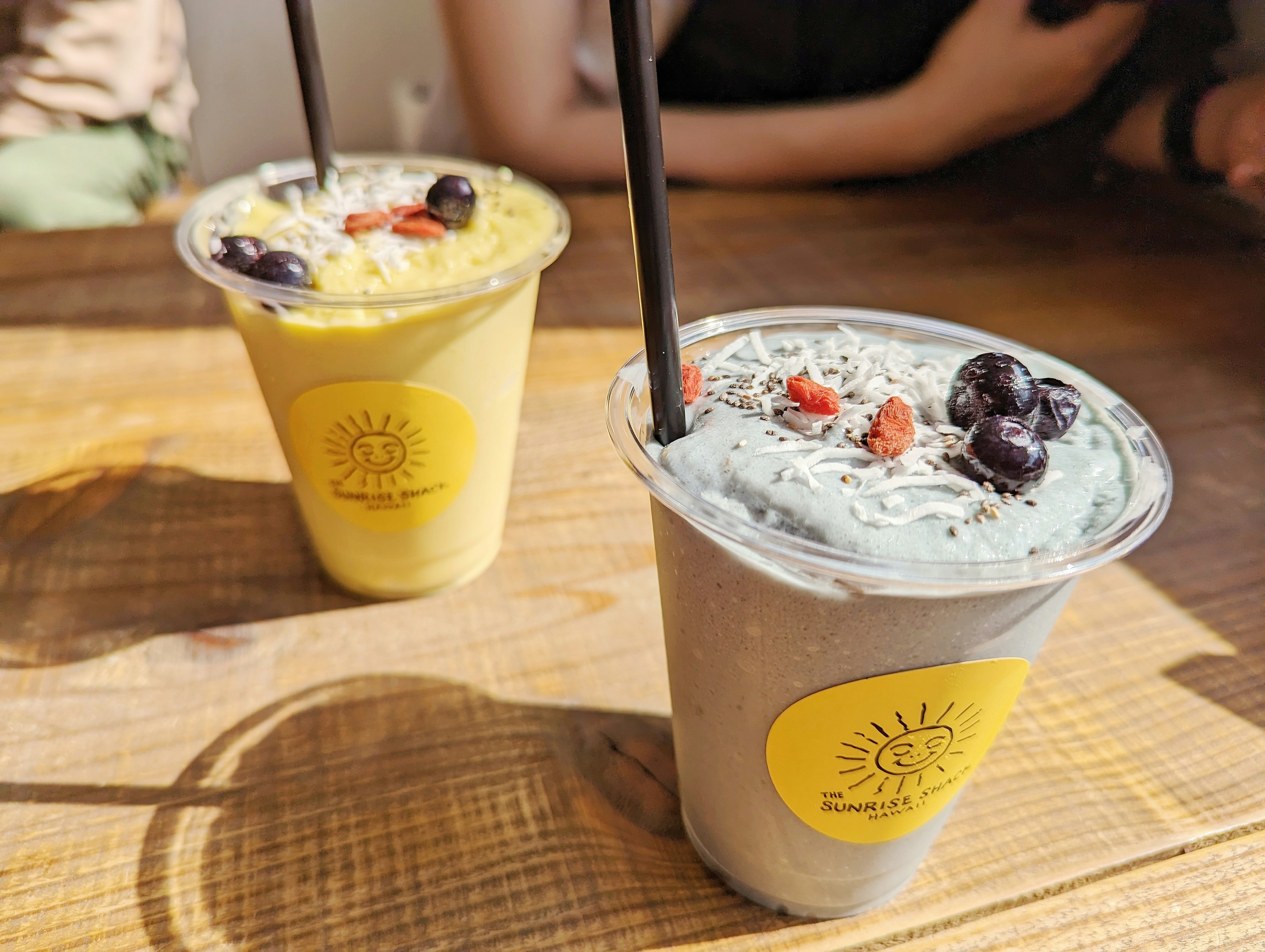
Introduction: The Joy of Smoothies
Smoothies have emerged as a delightful and healthy beverage option that appeals to families of all shapes and sizes. These versatile drinks can be tailored to suit the tastes and nutritional needs of every family member, from toddlers to grandparents. By blending fruits, vegetables, and other nutrient-dense ingredients, smoothies offer a convenient way to deliver essential vitamins and minerals that contribute to overall well-being.
One notable advantage of incorporating smoothies into the family diet is their ease of preparation. With just a few simple steps, parents can whip up a nutritious drink that is both satisfying and delicious. This convenience makes it simple to encourage children to consume more fruits and vegetables, which is often a challenge for many families. Furthermore, smoothies can serve as an excellent breakfast option, a nutritious snack, or even a light meal replacement, providing flexibility for busy lifestyles.
In addition to being quick to prepare, smoothies can be customized to meet specific dietary preferences and restrictions. For instance, they can be enriched with protein powder for a post-workout boost, fortified with healthy fats such as nut butter or seeds, or even made dairy-free using almond or oat milk. This adaptability ensures that smoothies can cater to individuals seeking to improve their dietary habits or accommodate food allergies, making them an inclusive option for the entire family.
Moreover, the potential for creativity in smoothie-making can engage children in the kitchen, inspiring them to experiment with different combinations of ingredients. This process not only fosters an appreciation for healthy eating but also teaches valuable cooking skills. With their numerous benefits and universal appeal, smoothies present an enjoyable way for families to enhance their nutrition while creating lasting memories together.
Choosing the Right Ingredients
When creating family-friendly smoothies, the selection of wholesome ingredients is paramount. Smoothies serve as a versatile foundation to cater to various tastes and dietary requirements across different ages. By incorporating a balanced mix of fruits, vegetables, liquids, and add-ins, families can enjoy nutritious beverages that also appeal to everyone in the household.
Fruits are often the star of the smoothie, providing natural sweetness and an array of vitamins. For younger family members, classic choices like bananas, strawberries, and blueberries tend to be popular due to their mild flavors. For adults and older children looking for variety, consider incorporating tropical fruits such as mangoes and pineapples or nutrient-dense options like avocados and acai berries, which can enhance the smoothie’s texture and nutrition profile.
Vegetables, though perhaps less popular among children, can significantly increase the nutritional value of smoothies. Leafy greens, such as spinach or kale, are excellent options as they blend seamlessly with fruits, often hiding their flavor while boosting vitamins and minerals. Additionally, carrots and beets can add sweetness and vibrant color, making the drink visually appealing.
The choice of liquid is equally essential, as it affects the taste and consistency of the smoothie. Options such as milk (dairy or non-dairy), yogurt, and fruit juices can provide creaminess and flavor. Yogurt not only adds probiotics but also contributes a satisfying thickness that helps build a more filling meal replacement.
Lastly, consider incorporating add-ins such as protein powder, flaxseeds, or chia seeds. These provide additional nutrients, including protein and omega-3 fatty acids, that promote a well-rounded diet. Natural sweeteners, like honey or maple syrup, can also be introduced to enhance flavor without resorting to refined sugars. A careful selection of these ingredients ensures that your smoothies are not only nutritious but also delightful for every family member.
Smoothies for Toddlers
Creating smoothies suitable for toddlers involves considering their unique dietary needs and preferences. Smoothies should be soft and have smooth textures, ensuring they are easy for young children to consume. One effective approach is to incorporate fruits that are naturally sweet and appealing, such as bananas, ripe avocados, and peaches. These ingredients not only provide a creamy consistency but also offer essential vitamins and minerals that support your toddler’s growth and development.
For instance, a simple banana and avocado smoothie can be made by blending one ripe banana with half an avocado, a cup of whole milk or yogurt, and a splash of vanilla extract. This combination yields a nutrient-rich option that is both delicious and visually appealing. The vibrant green color from the avocado may attract toddlers, making them more inclined to try it. Additionally, it is crucial to keep the smoothies free from added sugars, as natural fruits provide sufficient sweetness while promoting healthy eating habits.
When crafting smoothies for young children, one should consider the use of colorful fruits and vegetables. Ingredients like strawberries, mangoes, and blueberries not only enhance the flavor but also create a feast for the eyes. A mixed berry smoothie—composed of strawberries, blueberries, and a hint of orange juice—can be enticingly colorful, providing both taste and nutrition. For added visual appeal, serve these smoothies in clear cups or bowls, allowing toddlers to marvel at the vibrant hues.
Overall, smoothies designed for toddlers should be nutrient-dense, easy to digest, and visually captivating. These considerations not only cater to their nutritional needs but also lay the foundation for healthy eating habits as they grow. Gradually introducing these flavors in a fun and engaging manner can make mealtime an enjoyable experience for both toddlers and their caregivers.
Smoothies for Teens
Teens are often in search of tasty yet nutritious options that cater to their evolving palates. Smoothies provide a remarkable canvas for creativity, allowing the incorporation of popular flavors and superfoods that resonate with this age group. A smoothie can easily transform into a favorite snack or meal replacement, packed with essential nutrients to support their active lifestyles.
When creating smoothies for teens, consider blending trendy ingredients such as acai, matcha, or spirulina. These superfoods not only add a rich flavor profile but also boast numerous health benefits. For example, acai is celebrated for its high antioxidant content, while matcha offers a gentle energy boost attributed to its caffeine and L-theanine content. Including these ingredients can make the smoothies appealing and beneficial for their health.
Protein is a crucial component in maintaining muscle growth and overall vitality for teens. Incorporating protein-rich ingredients, such as Greek yogurt, nut butters, or protein powders, can enhance the nutritional value of smoothies. Combining flavors like banana with almond butter or spinach with protein powder can yield delicious results that teens will enjoy. This not only satisfies their tastes but also provides sustained energy throughout the day.
Presentation plays a key role in making smoothies attractive to teenagers. Utilizing colorful fruits like berries, mangoes, or kiwis can enhance visual appeal. Moreover, serving smoothies in clear cups with fun straws or garnishing them with toppings like granola or coconut flakes creates an engaging experience. Young people love to share aesthetically pleasing food items on social media, which can also encourage them to make healthier choices.
In summary, crafting delightful smoothies for teens involves blending trendy flavors, incorporating superfoods, adding protein boosts, and presenting them in an appealing manner. By doing so, not only do you create a nutritious option, but you foster a love for healthy eating among teenagers.
Smoothies to Boost Family Health
Smoothies represent a versatile and enjoyable way to promote health within the family. By tailoring smoothie recipes to meet specific health goals, families can address various nutritional needs. For instance, smoothies can be designed to improve digestion, enhance immunity, or support energy levels. This flexibility makes them an ideal addition to a balanced diet.
To improve digestion, consider incorporating ingredients such as Greek yogurt, kefir, and fiber-rich fruits like bananas or berries. These components are rich in probiotics and dietary fiber, both of which can aid in maintaining a healthy digestive system. Additionally, leafy greens such as spinach or kale can be added for extra nutrients, helping the entire family contribute to their digestive health.
For boosting immunity, smoothies can feature fruits high in vitamin C, such as oranges, strawberries, or mangoes. Incorporating ingredients like spinach or carrots can add essential vitamins and nutrients that support the immune system. Consider adding ginger and turmeric, known for their anti-inflammatory properties, to create a powerhouse of health benefits in every serving.
When the focus is on enhancing energy levels, smoothies can include a blend of bananas, oats, nut butters, and protein powders. These ingredients provide sustained energy throughout the day, making them perfect for active families. Furthermore, including seeds, such as chia or flaxseed, enriches the smoothie with omega-3 fatty acids, which are beneficial for cognitive function.
While smoothies can be a fantastic tool for improving family health, it is essential to remember that they should complement a balanced diet. Ensuring that meals are rich in whole foods, including vegetables, lean proteins, and whole grains, will optimize the nutritional benefits that smoothies can provide. By mindfully incorporating smoothies into their diet, families can achieve their health goals in a delicious and nutritious way.
Creative Flavor Combinations
When it comes to crafting smoothies that appeal to all ages, creativity is key. Incorporating unique flavor pairings not only elevates the taste but also enhances the nutritional profile of each blend. By thinking outside the box, families can enjoy an adventurous culinary experience while maximizing the variety of nutrients they consume.
One compelling combination to try is spinach and pineapple. The vibrant sweetness of pineapple masks the earthy flavor of spinach, making it a delightful introduction to greens for younger family members. Add some Greek yogurt for creaminess and protein, creating a well-rounded smoothie that is both nutritious and satisfying.
Another innovative pairing is avocado and cocoa powder. Avocado provides a rich, creamy texture, while cocoa powder introduces a chocolatey flavor. This duo can be boosted with banana for natural sweetness and almond milk to achieve a smooth consistency. The resulting smoothie not only tastes indulgent but also supplies essential fats, fiber, and potassium.
For those looking to incorporate more spices, consider a ginger and mango blend. The warmth of ginger complements the tropical sweetness of mango, making it a refreshing option. Additionally, the anti-inflammatory properties of ginger can be a beneficial addition, particularly for families seeking to enhance their overall wellness.
Lastly, try combining cucumber and mint for a refreshing, hydrating smoothie. Cucumber’s mild flavor pairs beautifully with the coolness of mint, creating a light and invigorating drink. Adding a splash of lime juice can bring an extra zest, while chia seeds can provide a delightful texture along with a boost of omega-3 fatty acids.
Encouraging creativity in smoothie-making opens the door to exploring flavors that might not be initially obvious. By experimenting with these unique combinations, families can enjoy both delicious and nutritious smoothies that cater to adventurous palates of all ages.
Smoothie-Making Tips and Tricks
Creating delicious and nutritious smoothies can be an enjoyable and educational experience for the entire family. To begin, it is essential to have the right equipment. A high-quality blender is crucial, as it should be powerful enough to finely blend fruits, vegetables, and ice to achieve a smooth consistency. For families with younger children, consider using personal-sized or portable blenders that allow for easy cleanup and smaller portions. Additionally, investing in reusable straws and cups can be an environmentally friendly choice and encourages kids to consume smoothies regularly.
Preparation of ingredients plays a vital role in the smoothie-making process. To foster healthy habits early on, involve children in selecting and prepping fruits and vegetables. A fun way to do this is by hosting a “smoothie bar” at home, where family members can choose from a variety of ingredients. Options like spinach, kale, bananas, berries, and yogurt can provide essential vitamins and nutrients. Ensure that ingredients are prepped beforehand, whether by washing, peeling, or cutting, allowing the process to run smoothly. This encourages children to take ownership of their health choices and try new flavors.
Engaging kids in the smoothie-making process can greatly enhance their interest in nutrition. Assign them specific roles, such as measuring ingredients, adding liquids, or pressing the blending buttons. This hands-on experience not only teaches them essential kitchen skills but also empowers them to experiment with various combinations of flavors. For an added element of fun, consider organizing themed smoothie days, such as “Tropical Tuesdays” or “Veggie Fridays,” promoting a diverse range of fruits and vegetables in daily diets. Overall, involving children in creating their own smoothies fosters a love for healthy eating while making lasting family memories.
Storing and Serving Smoothies
For families who enjoy the convenience of smoothies, proper storage is essential to maintain their freshness and nutritional value. When preparing smoothies in advance, it is advisable to store them in airtight containers. Glass jars are an excellent choice as they do not retain odors and allow for easy monitoring of the smoothie’s contents. If possible, fill the container to the brim to minimize the amount of air inside; this helps to prevent oxidation, which can affect flavor and nutrient levels.
Refrigerating smoothies is typically effective for short-term storage, ideally within 24 to 48 hours. However, for longer-term options, freezing is your best bet. Pour the smoothie into ice cube trays or freezer-safe bags. Once frozen, these smoothie portions can be blended again with a little liquid for a fresh drink. This method not only preserves the smoothies but also enables families to have quick access to nutritious beverages whenever desired.
When it comes to serving smoothies, versatility is key. For everyday family meals, smoothies can be served as a delicious breakfast option or a vibrant after-school snack. Garnishing with fresh fruits, nuts, or seeds can enhance both the visual appeal and the nutritional profile. At parties or gatherings, consider creating a smoothie bar with various ingredients, allowing guests to customize their drinks. This interactive experience is not only enjoyable but also promotes healthy choices.
On-the-go smoothies are a perfect solution for busy families. Invest in quality insulated bottles that keep beverages cold for hours. Having pre-prepared smoothies ready in the fridge or freezer significantly simplifies mornings, ensuring the family can enjoy a nutritious drink without added time constraints. Overall, proper storage and serving methods can elevate the role of smoothies in maintaining a healthy lifestyle for all ages.
Conclusion: Smoothies as a Family Tradition
Embracing smoothies as a family tradition can transform the way we approach nutrition and mealtime interactions. These vibrant concoctions not only offer a plethora of health benefits but also serve as an enjoyable activity that brings family members together in the kitchen. By experimenting with various ingredients, families can create unique flavors and discover healthy options that everyone loves. This collaborative effort promotes healthy eating habits and reinforces the importance of nourishing choices from a young age.
Creating smoothies together allows children and adults to engage in discussions about nutrition, ingredients, and their health effects. Parents can educate their kids about the significance of fruits, vegetables, and other nutritious components, fostering a deeper understanding of what goes into their bodies. Moreover, this hands-on experience encourages creativity while allowing families to customize smoothies according to their individual tastes and dietary needs.
As families make smoothies regularly, they can establish traditions around when and how these drinks are prepared—whether it’s a Sunday morning routine or an after-school snack ritual. Sharing these moments signifies that healthy eating can be enjoyable and fun. It is also an opportunity for making lasting memories, as family members bond over picking fresh ingredients, blending, and taste-testing their creations.
In essence, smoothies act as a medium for nurturing relationships, promoting health, and developing a routine rooted in wellness. Encouraging a family tradition of smoothie-making can ultimately lead to a lifestyle that values nutrition and health, all while fostering togetherness. Thus, it is never too late to start exploring the delightful world of smoothies and experience the joy it can bring to your family dynamics.


