
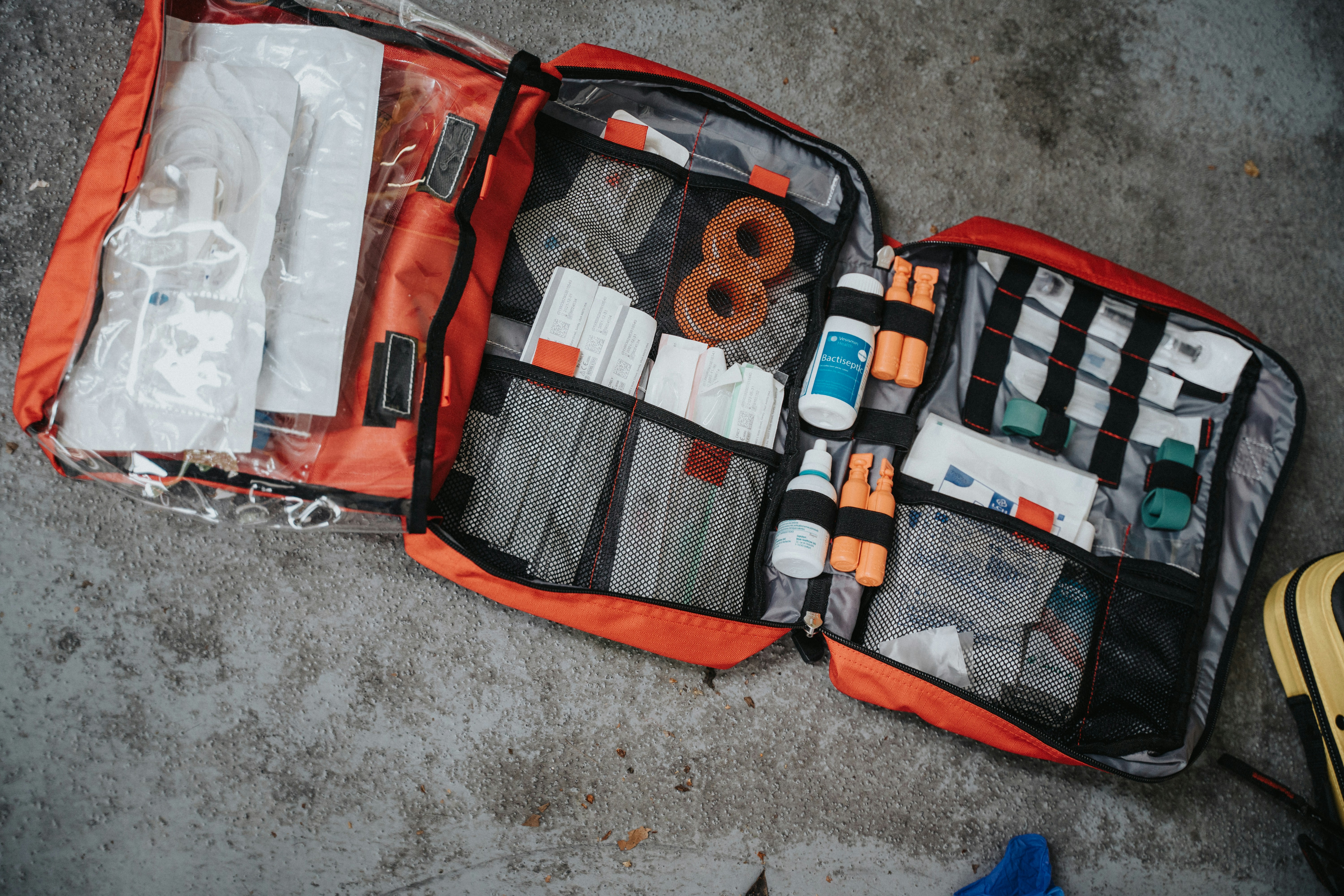
Understanding the Importance of a First Aid Kit
A first aid kit is an essential resource for any household, serving as a critical tool for ensuring the safety and well-being of family members in various situations. The primary function of a first aid kit is to provide immediate care for minor injuries, such as cuts, scrapes, and burns, which can occur unexpectedly during daily activities. Having a well-stocked first aid kit readily available can prevent a seemingly minor injury from escalating into a more serious condition, enabling prompt treatment that minimizes discomfort and promotes healing.
Moreover, a first aid kit is invaluable in addressing sudden illnesses, such as allergic reactions or fainting, which may occur without warning. In these scenarios, timely access to necessary medical supplies can be lifesaving, allowing caregivers to manage the situation effectively while waiting for professional medical assistance. Additionally, having a first aid kit on hand can ease the stress and anxiety associated with health emergencies, knowing that immediate aid is available.
The importance of a first aid kit extends beyond the confines of home; it is equally crucial during travel or outdoor activities. Whether on a family road trip, a hiking excursion, or even at a picnic, the risk of injury or sudden illness remains present. Thus, possessing a first aid kit in the car or carrying a portable version for outings ensures that families are prepared for any unforeseen circumstances, contributing to their overall safety.
In summarizing its significance, a first aid kit fosters a sense of security and preparedness within a family. By facilitating prompt treatment of minor injuries and addressing unexpected health issues, a well-stocked first aid kit plays an indispensable role in maintaining a safe and healthy environment for all family members, regardless of location.
Essential Items to Include in Your First Aid Kit
A well-equipped family first aid kit is an indispensable resource for managing minor injuries and health emergencies. Each item serves a specific purpose, enabling prompt and effective treatment. Below are essential components that should be included in your first aid kit.
Adhesive bandages are vital for protecting small cuts and abrasions. They help to keep the wound clean and reduce the risk of infection. Available in various sizes, these bandages should be easily accessible for quick application during emergencies.
Antiseptics, such as alcohol wipes or iodine solutions, are essential for cleaning wounds. They help to eliminate harmful bacteria that can lead to infections. Incorporating antiseptics into your family first aid kit ensures that you can properly disinfect injuries before applying a bandage.
Gauze pads are another critical item for your first aid kit. They are used to cover larger wounds that require more absorption and protection than a standard adhesive bandage. Gauze pads can also be used to apply pressure to bleeding areas, which is crucial for stopping excessive blood loss.
Medical tape is necessary to secure gauze pads to the skin, ensuring that dressings stay in place. It is important to choose a tape that is gentle on the skin yet strong enough to hold the gauze firmly.
Scissors are often overlooked but are essential for cutting tape, gauze, or clothing if necessary. A sturdy pair of scissors can make a significant difference in emergencies.
Tweezers are important for removing splinters, ticks, or debris from wounds. Properly designed tweezers can prevent further injury while aiding in the removal process.
Finally, a pair of disposable gloves should be included to maintain hygiene when treating wounds. Gloves protect both the caregiver and the injured person from potential germs and infections.
By incorporating these essential items into your family first aid kit, you can ensure preparedness for common injuries and provide effective care during unexpected health emergencies.
Customization: Tailoring Your Kit to Your Family’s Needs
When constructing a family first aid kit, it is crucial to recognize that each household has specific needs influenced by health conditions, allergies, and various activities. A one-size-fits-all approach may not effectively address the unique medical requirements of every family member. Thus, customization of the first aid kit becomes imperative to ensure better preparedness for all potential emergencies.
To begin customizing your family’s first aid kit, consider the health status of each family member. For instance, if someone has a known allergy, it is advisable to include antihistamines or allergy medications specifically for that individual. Furthermore, those with chronic conditions, such as asthma, should have prescribed inhalers readily available, as well as additional supplies like nebulizers if needed. Attention to these medical specifics can provide peace of mind, knowing that you are adequately prepared for any unexpected situations.
Moreover, the inclusion of specific medications like infant formulations or pediatric supplies is essential for families with small children. In such cases, be sure to add age-appropriate doses and necessary items to address common childhood ailments, like fever reducers or teething gels. Additionally, consider your family’s lifestyle and activities when customizing your kit. A family that enjoys outdoor activities may benefit from the addition of insect repellent, snake bite kits, or even extra supplies for treating cuts and scrapes common in hiking, camping, or sports.
Ultimately, personalizing your family first aid kit based on the unique health concerns and activities of your family members will not only optimize safety but will also empower you to respond effectively in emergencies. By taking these steps, you enhance your preparedness and contribute to the overall wellness of your household.
Storage and Organization of Your First Aid Kit
Having a well-organized and easily accessible first aid kit is crucial for effectively managing emergency situations. To ensure the contents are readily available when needed, selecting an appropriate container is the first step. A durable, waterproof container is ideal for preventing damage from moisture and physical impacts. Containers come in various sizes, and it is advisable to choose one that allows for easy compartmentalization, helping to categorize items efficiently. Clear bins or zippered pouches work well, as they provide visibility, allowing users to locate items quickly.
Labeling the contents of your first aid kit greatly enhances its usability. Each compartment or pouch should be clearly labeled with its contents, making it simple for anyone who may need to use the kit to find the necessary supplies without delay. For example, labels can indicate sections for bandages, antiseptics, or medications, ensuring that in a high-stress situation, individuals can pinpoint what they need immediately.
Regular maintenance is equally important to ensure that your first aid kit remains effective. Conduct periodic checks, ideally every six months, to inspect the contents of the kit. Assess items for any expired products, such as medications or antiseptics, and replace them as necessary. Additionally, check for missing items following usage, and promptly replenish the kit to maintain its readiness. Consider creating a checklist of items to streamline this process, ensuring that every essential component is accounted for during each assessment.
In conclusion, proper storage and organization of your first aid kit are essential for ensuring swift access during emergencies. By selecting the right container, labeling items, and regularly checking for expired products, you can create a first aid kit that is both effective and user-friendly. By prioritizing these practices, you can effectively safeguard your family in times of need.
How to Use Your First Aid Kit Effectively
Having a well-stocked family first aid kit is an important step toward preparedness for various emergencies. However, understanding how to utilize the items within this kit is essential for effective response. Basic first aid procedures can help manage injuries and stabilize a person’s condition until professional medical help is available.
One of the most common scenarios involving a first aid kit is treating a wound. Begin by ensuring the area around the wound is clean. Wash your hands with soap or use hand sanitizer before touching the injury. Using sterile gauze or a clean cloth from the first aid kit, gently clean the wound with mild soap and water, removing any debris. After cleaning, apply an antiseptic ointment to prevent infection. Next, cover the wound with a sterile bandage, ensuring it is secure but not too tight, to promote healing while allowing circulation.
Sprains are another common injury that can occur in everyday activities. If someone sprains an ankle, apply the R.I.C.E method immediately: Rest, Ice, Compression, and Elevation. Rest the injured joint, apply an ice pack wrapped in a cloth to reduce swelling, use an elastic bandage for compression, and elevate the limb above heart level to decrease blood flow to the injury. The elastic bandages found in your first aid kit are perfect for this purpose.
Staying calm during an emergency is crucial. Panic can impair your ability to assist effectively. Take a moment to collect your thoughts, assess the situation, and implement the appropriate first aid measures. Remember, your first aid kit is a valuable resource, but the skills and knowledge of how to use it are equally important for dealing with emergencies.
Tips for Maintaining Your First Aid Kit
Maintaining a well-equipped family first aid kit is crucial for ensuring preparedness during emergencies. One of the most fundamental steps is to regularly check the contents of the kit for expired items. Medical supplies such as bandages, antiseptic wipes, and medications have a finite shelf life and may lose their effectiveness after expiration. It is advisable to set a specific schedule—such as every six months or at the start of a new season—to review the kit and replace any expired products. Keeping a checklist inside the kit can aid in this process, providing a handy reminder of what to check and replace.
As families grow and change, so too do their first aid needs. It is essential to update the contents of the first aid kit reflecting new family members, lifestyles, or health requirements. For instance, if someone in the family develops allergies, it might be necessary to include antihistamines or an epinephrine auto-injector. Furthermore, any changes in family dynamics, such as the introduction of a pet or children reaching new developmental stages, should also prompt a review of the kit’s contents.
Conducting regular drills is a beneficial practice to ensure that all family members know how to access and utilize the first aid kit effectively. Familiarity with the kit not only enhances confidence but also reduces panic during emergencies. Consider holding drills twice a year, where each member of the family practices finding essential items in the kit and demonstrating their use. Such preparedness instills a sense of security and assurance that everyone knows how to respond in case of an injury or medical event.
Preparing for Special Situations and Travel
When assembling a family first aid kit, it is crucial to consider unique situations that may arise during outdoor adventures, road trips, or international travel. These scenarios often demand additional medical supplies and specific preparations to ensure safety and preparedness. A well-equipped first aid kit tailored to these circumstances can make a significant difference in the event of an injury or medical need.
For outdoor adventures, such as hiking or camping, it is advisable to include items that address specific environmental challenges. For example, insect bite and sting relief, anti-itch cream, and burn ointments can be essential for mitigating discomfort from insect encounters or accidental burns from campfires. Additionally, consider adding a snake bite kit, especially if venturing into areas known for venomous snakes. A multi-tool or a compact emergency whistle is also beneficial for any unforeseen situations that may arise in remote settings.
On road trips, in-car emergencies can occur unexpectedly. It is wise to equip your first aid kit with items like a flashlight, extra batteries, non-perishable snack bars, and drinking water. These provisions can be invaluable if you find yourself stranded or delayed due to a breakdown or other unforeseen events. Furthermore, ensure that your kit includes medications for motion sickness or digestive issues, which are common in passengers during prolonged travels.
International travel introduces additional complexities. Different countries may have varying risks pertaining to local flora, fauna, and health concerns. It is prudent to add specific medications such as antihistamines for allergic reactions, as well as water purification tablets to address potential water contamination. Familiarizing yourself with any required vaccinations or health advisories prior to travel can also enhance the effectiveness of your first aid preparations, ensuring that your kit is adaptable to diverse environments.
Teaching Family Members Basic First Aid
Basic first aid knowledge is an essential component of family safety and preparedness. Educating family members, from young children to adults, about fundamental first aid techniques can significantly enhance the ability to respond effectively in emergencies. Engaging the entire family in first aid training fosters a culture of safety and equips everyone with valuable skills that may save lives.
One effective way to involve children in learning first aid is through interactive sessions that focus on age-appropriate techniques. For instance, teaching them how to respond to cuts and scrapes or the importance of bandaging can be made engaging through hands-on practice. Furthermore, storytelling can be a powerful tool; narrating real-life scenarios helps children understand the relevance of first aid concepts while making learning enjoyable.
For adults, pursuing more structured training through certified courses is recommended. Organizations such as the American Red Cross or local health departments often offer first aid and CPR classes. These programs provide comprehensive knowledge and practical experience, equipping individuals to handle a wide range of medical emergencies confidently.
Resources like online tutorials, first aid manuals, and instructional videos can serve as supplementary materials for both children and adults. These resources allow family members to revisit what they’ve learned at their own pace, ensuring that the knowledge remains fresh and applicable when needed.
Being prepared as a family not only enhances individual confidence but also strengthens family bonds. This commitment to learning first aid ensures that everyone can contribute effectively in a crisis, reinforcing the notion that safety is a shared responsibility. Encouraging open discussions about first aid can further help family members feel empowered and ready to assist one another in emergencies.
Where to Purchase First Aid Supplies
When setting out to assemble a comprehensive family first aid kit, selecting the right supplies is paramount. High-quality first aid supplies can be found through various channels, including local retailers, online platforms, and specialized vendors that offer pre-assembled kits or bulk purchasing options.
Local pharmacies and drugstores are often the first stop for individuals looking to purchase essential first aid items. Chains such as Walgreens, CVS, or Rite Aid typically stock a range of first aid products, including bandages, antiseptics, and topical ointments. Moreover, large retail stores, such as Walmart or Target, usually provide an aisle dedicated to health and wellness, where one can find an array of first aid supplies at competitive prices.
For those who prefer the convenience of shopping from home, numerous online retailers provide an extensive selection of first aid supplies. Websites like Amazon, eBay, and specialized health goods retailers offer everything from basic first aid kits to specialized items like splints and burn treatments. Shopping online also allows families to read customer reviews and compare prices, which can assist in making informed purchasing decisions. Furthermore, many online platforms offer bulk buying options, which can be particularly economical for families looking to stock up on essential supplies.
In addition to individual items, families may want to consider investing in pre-assembled first aid kits. These kits are often available in various sizes and are tailored for different needs, such as those designed for camping or travel. Online retailers and local outdoor supply stores frequently carry these comprehensive kits, providing an efficient means to ensure one is well-prepared for emergencies.
Ultimately, whether seeking first aid supplies in-store or online, it is essential to evaluate quality and accessibility, ensuring that the selected items meet the family’s specific needs and standards for safety and care.


