
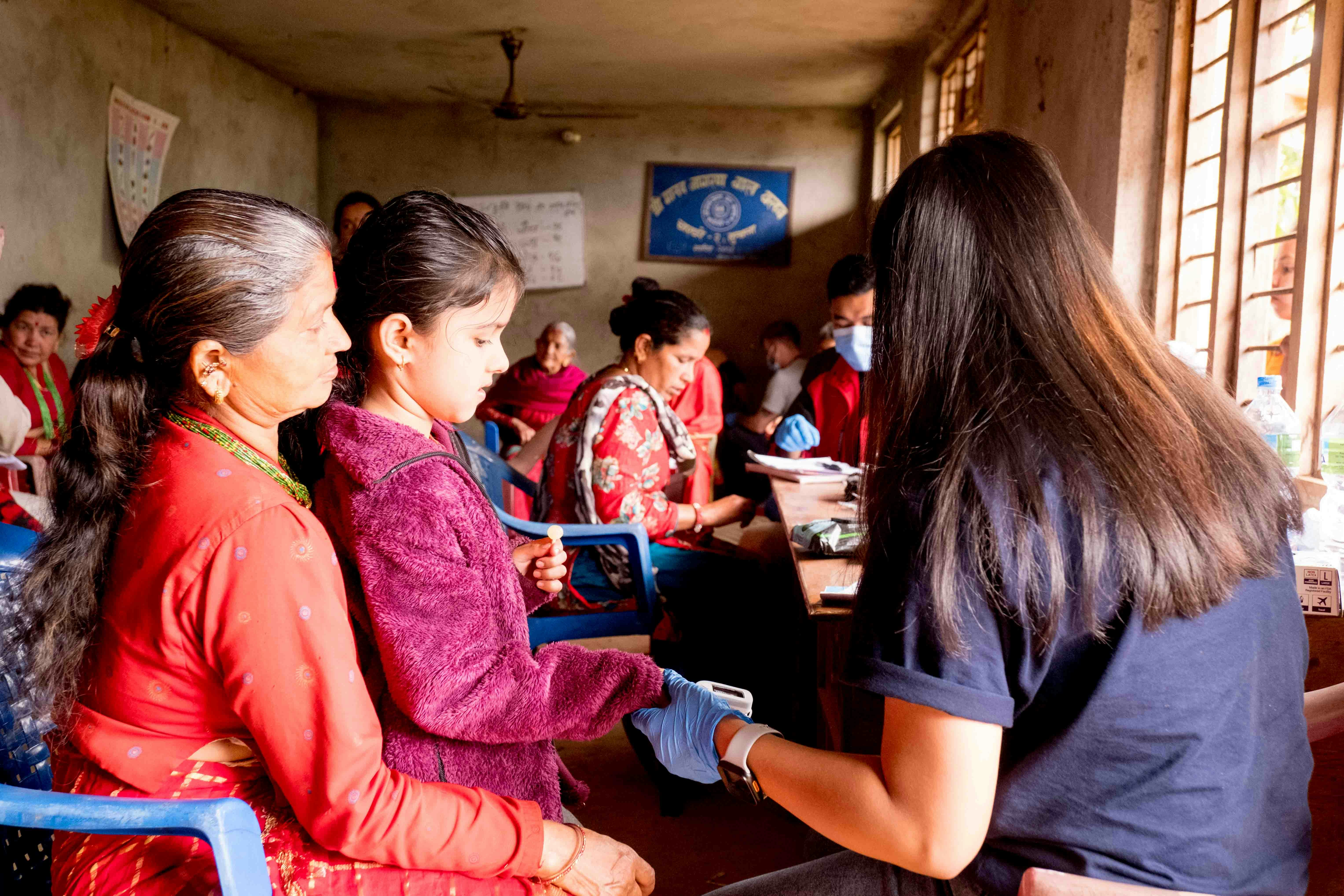
Introduction to Family Health Checks
Routine health checks play a crucial role in maintaining the well-being of families. These health screenings, often conducted annually or as advised by healthcare professionals, serve as proactive measures to identify potential health issues before they escalate into serious conditions. Regular health checks allow for early detection of diseases such as diabetes, hypertension, and certain cancers, significantly improving the chances of successful treatment.
Moreover, engaging in routine health checks instills a culture of wellness within the family unit, emphasizing the importance of health and preventative care. It encourages family members to actively participate in discussions about their health, including lifestyle choices regarding diet, exercise, and mental wellness. This collaborative approach fosters an environment where health becomes a shared value, promoting overall well-being.
Another essential aspect of routine health checks is the peace of mind they provide. Knowing that each family member undergoes regular screenings can alleviate anxieties concerning unforeseen health issues. Families gain confidence in understanding their collective health status, which can facilitate timely dialogue with healthcare providers. This communication is vital, as it creates a framework for informed decision-making regarding medical care and interventions.
Importantly, these checks are not only beneficial for adults but also for children. Pediatric health screenings monitor developmental milestones and immunization schedules, ensuring that children grow into healthy adults. By prioritizing family health checks, families can mitigate risks associated with hereditary conditions and lifestyle-related diseases, paving the way for a healthier future.
In the following sections, we will delve deeper into specific health checks that every family should consider and how these can significantly improve overall health outcomes.
Pediatric Health Checks for Children
Ensuring the health and well-being of children is a priority for every parent. Routine health checks for children play a vital role in monitoring development, preventing illnesses, and ensuring vaccines are received on schedule. Growth monitoring is one of the key aspects of pediatric health assessments. During each check-up, pediatricians measure a child’s height, weight, and head circumference to track their growth patterns. This information helps identify any potential growth issues early, allowing for timely interventions if necessary.
Vaccinations are another critical component of routine pediatric health checks. Vaccines protect children from various infectious diseases that can have serious consequences. Parents are encouraged to adhere to the recommended immunization schedule provided by healthcare providers. Generally, children receive vaccinations at birth, 2 months, 4 months, 6 months, 12 months, and 4 to 6 years, although this schedule may vary based on health guidelines and the child’s specific needs. Parents should maintain open communication with their pediatricians to stay informed about any additional vaccinations that may be recommended or required.
Additionally, developmental screenings assess a child’s physical, emotional, and social development to ensure they are meeting age-appropriate milestones. These screenings typically occur during regular wellness visits, allowing healthcare providers to monitor a child’s progress and identify any concerns early. Parents should actively engage in these discussions and relay any observations about their child’s behavior or development with their healthcare provider.
Advocacy is essential in pediatric health. Parents should educate themselves about their child’s health, ask questions during appointments, and express any concerns that arise. By being proactive in seeking and understanding routine health checks, parents can play a crucial role in ensuring their children’s health and well-being throughout their development.
Annual Physical Exams for Adults
Annual physical exams are a crucial component of preventive healthcare for adults. These examinations serve as an essential tool for assessing overall health and identifying potential problems before they develop into significant issues. During these visits, a variety of tests and assessments are conducted, including blood pressure evaluations, cholesterol level measurements, and screenings for diabetes. These elements are vital in providing a comprehensive picture of an individual’s health status.
The importance of annual physical exams extends beyond immediate assessments. Establishing a relationship with a primary care physician during these annual visits allows for personalized health management. A primary care physician can offer insights based on one’s medical history, lifestyle factors, and family health background, which contributes to more effective management of health risks. Regular evaluations also facilitate ongoing dialogue about health goals and concerns, making it easier to adjust lifestyle and treatment plans as needed.
Moreover, annual check-ups help monitor changes over time. Conditions such as hypertension or elevated cholesterol may develop slowly and often go unnoticed without routine checking. By recognizing these changes early, individuals can take proactive measures to mitigate risks, including lifestyle modifications or prescribed treatments. This proactive approach can significantly improve long-term health outcomes and enhance the quality of life.
In addition to physical assessments, these exams provide an opportunity for health education. Individuals can discuss topics such as nutritional guidance, exercise recommendations, and mental health strategies with their healthcare providers. Consequently, annual physical exams not only serve to evaluate health status but also empower adults to take charge of their health through informed decision-making.
Dental Check-Ups: A Family Essential
Regular dental check-ups are a fundamental component of maintaining optimal oral health for all family members. It is generally recommended that individuals visit the dentist at least twice a year, although some may require more frequent visits depending on their specific health needs. For families, establishing a routine dental check-up schedule can significantly contribute to preventing dental issues and promoting good oral hygiene practices among all age groups.
During a typical dental exam, a dentist will conduct a thorough evaluation of each individual’s teeth, gums, and mouth. This examination may include diagnostic imaging, such as X-rays, to identify any hidden problems like cavities or bone loss. Dentists also perform professional cleanings to remove plaque and tartar that may have accumulated over time, even with regular brushing and flossing at home. Additionally, fluoride treatments may be offered to strengthen tooth enamel and protect against decay, making it an essential preventive measure for both children and adults.
Maintaining proper oral hygiene is crucial not only for dental health but also for overall well-being. Neglecting dental check-ups can lead to a range of problems, including tooth decay, gum disease, and even cardiovascular issues linked to oral bacteria. By prioritizing regular visits to the dentist, families can address these concerns proactively and create a culture of good dental habits that can last a lifetime.
In conclusion, dental check-ups are an essential routine health check for families. They help ensure that every family member achieves and maintains their best oral health. Regular visits can facilitate early detection of potential issues and encourage preventive care, setting a foundation for a brighter and healthier smile.
Vision and Hearing Tests
Routine vision and hearing tests are essential components of maintaining a healthy lifestyle, especially as individuals of all ages experience changes in their sensory abilities. For children, regular vision screening should begin at an early age, typically around 3 to 4 years old. This early detection is vital, as conditions like amblyopia (lazy eye) can develop during this period and may lead to significant visual impairment if left untreated. Preschool and primary school years are critical for establishing eye health, and continued screenings should occur at regular intervals through adolescence.
As children grow, parents and caregivers should remain vigilant for signs indicating potential vision issues, such as failing to recognize faces, squinting, or frequent eye rubbing. Early intervention can positively impact a child’s learning and development, thereby enhancing their overall quality of life.
Similarly, hearing tests are crucial from an early age, often recommended at birth and repeated at various developmental milestones. Hearing impairments can affect speech and language development in children; thus, recognizing early warning signs—such as delayed speech, inattentiveness, or failure to respond to loud sounds—is essential. Regular check-ups ensure that any hearing issues are diagnosed promptly, promoting effective communication skills and social development.
For adults, vision and hearing tests should become a routine part of healthcare, particularly as they enter middle age and beyond. Age-related conditions like presbyopia (difficulty focusing on close objects) and age-related hearing loss can significantly impact daily life, making regular screenings critical. Adults often overlook the importance of these checks, yet retaining optimal sensory health is directly linked to overall well-being, enhancing personal and social interactions.
In conclusion, implementing consistent vision and hearing tests across all family members ensures proactive management of sensory health, supporting a higher quality of life and more effective communication among loved ones.
Vaccination Updates: Keeping Everyone Protected
Vaccinations are a critical aspect of public health, aiming to protect individuals and communities from infectious diseases. For families, staying informed about routine vaccinations ensures that every member, from infants to adults, is adequately protected. The vaccination schedule typically begins in infancy, with a series of vaccines designed to safeguard against severe diseases such as measles, mumps, rubella, and whooping cough. The Centers for Disease Control and Prevention (CDC) provides guidelines detailing the recommended childhood immunizations, which frequently include vaccines administered at 2, 4, 6, 12-15 months, and again at 4-6 years of age.
In addition to childhood immunizations, adults also require booster shots to maintain immunity. For instance, the Tdap vaccine, which protects against tetanus, diphtheria, and pertussis, is recommended every ten years. Furthermore, annual flu shots are advocated for all family members over the age of six months, helping to prevent seasonal outbreaks of influenza. It is essential to consult with healthcare providers regarding the specific immunization needs for each family member, considering factors such as age, health conditions, and travel plans.
Despite the clear benefits of vaccines, common concerns persist among the public. Many worry about side effects, the number of shots required, and the timing of vaccinations. However, extensive research demonstrates that vaccines are safe and effective, with the benefits far outweighing any potential risks. Vaccination plays a vital role in herd immunity, which protects vulnerable populations who cannot be vaccinated due to medical reasons. By keeping vaccination records updated and adhering to recommended schedules, families contribute to community health and significantly reduce the likelihood of disease outbreaks. Staying vigilant about vaccination ensures that every family member remains as protected as possible against preventable diseases.
Screenings for Chronic Conditions
In the realm of preventive healthcare, routine screenings for chronic conditions such as hypertension, diabetes, and high cholesterol are essential components for families aiming to maintain optimal health. These screenings serve as proactive measures that can significantly enhance health outcomes by facilitating early detection and management of potentially serious health issues. Understanding the importance of these assessments is crucial in promoting a healthier lifestyle for all family members.
Hypertension, commonly referred to as high blood pressure, often presents without noticeable symptoms, making regular screenings vital. A blood pressure check can help identify individuals who are at risk, enabling timely interventions through lifestyle modifications or medication. By addressing hypertension early, families can prevent complications such as heart disease, stroke, and kidney damage.
Similarly, diabetes screening is key for early identification. The Centers for Disease Control and Prevention (CDC) recommends testing for type 2 diabetes in adults at least once every three years, particularly for those with risk factors such as obesity or a sedentary lifestyle. Early detection through fasting blood sugar tests or HbA1c levels allows families to adopt dietary changes and engage in physical activity that can significantly impact management and delay progression to more severe forms of the disease.
High cholesterol screenings hold similar significance. Cholesterol levels should be checked at regular intervals, especially in adults over 45 years or younger adults with risk factors like diabetes or heart disease in the family. Monitoring cholesterol levels is crucial for preventing cardiovascular complications through appropriate lifestyle changes or medications as required.
In conclusion, incorporating routine screenings for chronic conditions into family health regimens is a prudent strategy. By participating in these screenings, families can ensure timely interventions and foster a culture of health awareness, significantly reducing the risk of serious health issues associated with untreated conditions.
Importance of Mental Health Check-Ups
Mental health is an integral component of overall well-being, significantly affecting how individuals think, feel, and behave in daily life. It is essential for families to prioritize mental health check-ups, as early identification of issues can lead to timely interventions, enhancing the quality of life for all members. Recognizing signs of mental health issues, such as prolonged sadness, anxiety, behavioral changes, or withdrawal from social interactions, serves as a critical first step in safeguarding your family’s mental health.
Regular mental health assessments enable families to monitor emotional well-being continuously. Such evaluations can detect potential concerns early, ensuring that individuals receive appropriate support before issues escalate. This proactive approach not only helps in managing existing conditions but also fosters resilience within family dynamics. Families can support each other by normalizing discussions around mental health and recognizing that seeking help is a sign of strength rather than a weakness.
Open communication about mental health creates a safe space for family members to express their emotions and thoughts. By fostering an environment where discussing mental well-being is encouraged, families can mitigate stigma and promote understanding. Regular mental health check-ups, be it through professional screenings, telehealth consultations, or community programs, ensure that every family member has the opportunity to address their mental health needs. Numerous resources are available for mental health screenings, including local clinics, psychologists, and online platforms that provide access to support services.
In conclusion, incorporating mental health check-ups into regular family health routines is vital for maintaining a healthy family dynamic. By prioritizing these assessments and encouraging open dialogues about mental health, families not only support those facing challenges but ultimately contribute to the overall emotional well-being of each member.
Creating a Family Health Check-Up Schedule
Establishing a comprehensive health check-up schedule for the family is vital to ensuring that every member’s health needs are met efficiently. By organizing routine appointments, it is possible to monitor health conditions proactively and avoid preventable illnesses. A structured approach to scheduling check-ups promotes a culture of health awareness and facilitates timely interventions when necessary.
To begin, it is essential to determine the specific health needs of each family member. Different ages and stages of life have varying health requirements, ranging from childhood vaccinations to annual physical exams for adults. After identifying these needs, families can organize a yearly calendar, ensuring that check-ups are consistent and timely. Consider using various digital tools, such as shared online calendars or apps specifically designed for health management. These tools can send alerts for upcoming appointments, reminders for vaccinations, and notifications for necessary screenings, making the management of family health checks more efficient.
Additionally, maintaining a centralized health record for the family can greatly streamline the process. This record should include each family member’s medical history, allergies, medications, vaccination dates, and previous check-ups. Having this information readily available not only simplifies filling out forms at doctor visits but also ensures that caregivers can make informed decisions about health care needs. It is advisable to store this record in a secure, digital format that is easily accessible to all family members involved in health care decisions.
Ultimately, fostering an environment where routine health checks are prioritized is beneficial for both physical and mental well-being. A proactive approach to family health through organized schedules and maintained records can significantly enhance overall health management, empowering families to take control of their wellness journey effectively.


