
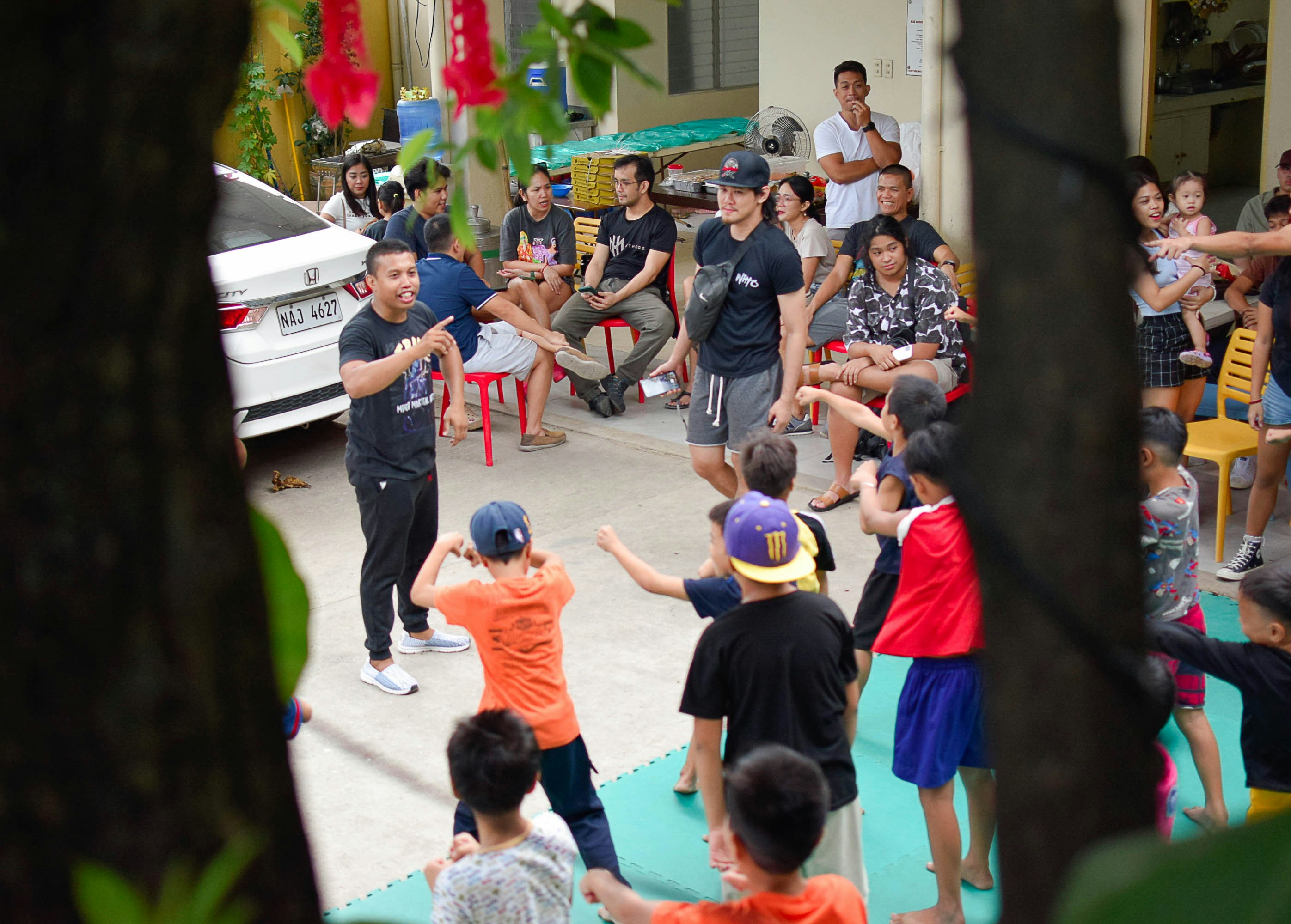
Understanding the Importance of Exercise for Children
Engaging in regular exercise is vital for children’s overall development. Physically, exercise promotes healthy growth by strengthening muscles and bones. It enhances cardiovascular health and improves coordination and balance. Activities such as running, jumping, and playing sports naturally incorporate physical exercise into children’s routines, helping them develop motor skills that are essential for everyday activities.
Besides physical benefits, exercise plays a crucial role in enhancing children’s mental well-being. Research indicates that physical activity releases endorphins, known as ‘feel-good’ hormones, which can lead to improved mood and reduced levels of anxiety and depression. Furthermore, participating in sports and group activities can foster social connections, teaching children valuable skills such as teamwork, communication, and leadership. These experiences are important in cultivating emotional intelligence and building self-esteem.
Moreover, establishing a love for exercise early on can lead to lifelong healthy habits. Children who engage in regular physical activity are more likely to maintain an active lifestyle as adults, contributing to long-term health benefits such as a lower risk of obesity, diabetes, and heart disease. Teaching children the importance of being active through enjoyable experiences, such as family outings or community sports, fosters a positive association with exercise. In turn, children learn that being physically active is not just beneficial but can be fun as well.
In essence, embedding regular exercise into children’s routines is crucial for their physical, mental, and emotional development. It aids in enhancing their mood, boosting their confidence, and instilling healthy habits that will benefit them throughout their lives. The knowledge gained about the importance of physical activity emphasizes the need for caregivers and educators to prioritize exercise in children’s daily lives, ensuring they grow into healthy, active adults.
Creating a Positive and Supportive Environment
Establishing a nurturing atmosphere for children that promotes physical activity is essential in fostering a love for exercise. A positive home environment can significantly impact children’s attitudes towards physical movement. Parents and caregivers play a critical role in modeling active behaviors, which can inspire children to embrace an active lifestyle. When children observe their caregivers engaging in regular physical activities, whether it be through outdoor play, sports, or exercise sessions, they are more likely to replicate these behaviors.
To create an encouraging space, it is beneficial to incorporate physical activity into daily routines. Setting aside time for family walks, bike rides, or dance parties can instill a sense of enjoyment around movement. Additionally, parents can design playful and interactive spaces within the home that stimulate physical engagement. For example, establishing a dedicated play area with sports equipment, such as balls and jump ropes, can motivate children to be active during their free time. It is equally important to provide outdoor opportunities, such as trips to parks where children can explore and play freely.
Another key aspect of fostering a supportive environment is providing encouragement and praise. Acknowledging efforts instead of focusing solely on results can boost children’s self-esteem and motivation. Celebrating small achievements, such as mastering a new skill or participating in a sporting event, reinforces the idea that physical activity is not just about competition, but also about personal growth and enjoyment.
Furthermore, engaging children in discussions about the benefits of exercise can play a crucial role. Highlighting how physical activity contributes to health, happiness, and overall well-being empowers children to take ownership of their fitness journey. When caregivers create an atmosphere filled with positivity and support, children are more likely to develop a lasting love for exercise.
Making Exercise Fun and Engaging
Encouraging children to engage in regular physical activity can often be met with resistance, but making exercise fun and engaging can lead to a more positive experience. By incorporating creative games, team sports, and multimedia resources into their routines, parents can transform exercise from a chore into an enjoyable activity that children look forward to.
One effective approach is to introduce playful games that promote physical movement. Traditional games such as tag, hide and seek, or hopscotch not only provide an avenue for exercise but also foster social interactions among peers. Setting up obstacle courses in the backyard or local parks can allow children to explore their physical abilities while enhancing their problem-solving skills as they navigate challenges.
In addition to games, team sports offer a fantastic way to instill the values of teamwork and cooperation in children while keeping them physically active. Activities such as soccer, basketball, or swimming provide not only the joy of competition but also the chance to develop skills that can nurture a lifelong passion for fitness. Joining a local club or sports team can help children build friendships and learn about commitment and discipline.
Moreover, incorporating multimedia resources can further stimulate interest in physical activities. Many children are drawn to technology, so utilizing fitness apps, online workout videos, or dance challenges can serve as engaging tools to motivate them to move. Many platforms offer kid-friendly workouts designed to keep children entertained while promoting cardiovascular health and muscle strength.
By implementing these creative ideas, parents can create an environment where exercise is perceived as a fun and rewarding pursuit. Ultimately, fostering a love for physical activity in children sets the stage for healthier lifestyles as they grow, encouraging them to prioritize their health and wellness for years to come.
Incorporating Family Activities into Daily Routines
In today’s fast-paced world, integrating physical activities into daily family routines can significantly enhance children’s love for exercise while simultaneously strengthening family connections. One effective approach is to schedule regular family walks. After dinner, families can take a leisurely stroll around the neighborhood, allowing everyone to engage in conversation while benefitting from light cardiovascular activity. This routine not only promotes physical fitness but also provides an opportunity for children to unwind and share their day.
Another exciting way to promote physical activity is through backyard sports. Setting aside time during the weekends for family soccer matches, basketball games, or frisbee tosses can spark enthusiasm for movement. These activities encourage teamwork, develop coordination, and instill a sense of friendly competition among family members. As children participate in these sports, they learn valuable lessons about perseverance and the importance of physical health.
Additionally, integrating exercise into routine household tasks can be both enjoyable and productive. Families can make cleaning a fun activity. While doing chores, parents and children can create games or challenges, such as racing to see who can clean their area the fastest. This approach promotes overall movement while teaching children the importance of responsibility and cooperation.
Moreover, planning active outings such as hiking, cycling, or visiting a local park can also provide children with new experiences that cultivate an appreciation for physical activity. These outings serve as delightful distractions from screens and stimulate a love for the outdoors.
Ultimately, by incorporating family-oriented physical activities into everyday routines, families lay the foundation for a lifelong love of movement in children. This collaborative effort not only enhances fitness levels but also nurtures essential familial bonds.
Setting Realistic Goals and Engaging Challenges
Fostering a love for exercise in children is significantly enhanced by setting realistic fitness goals tailored to their individual abilities and interests. Instead of overwhelming them with lofty expectations, it is crucial to establish achievable objectives that encourage gradual progress. This approach not only helps children develop a positive association with physical activity but also instills a sense of accomplishment as they reach each milestone.
In practice, these goals should be specific, measurable, and time-bound. For instance, rather than stating a vague objective like “exercise more,” consider targeting a specific activity, such as “ride a bike for 15 minutes three times a week.” This type of goal-setting provides children with a tangible aim to work towards. As they experience success, they are likely to feel a sense of pride in their achievements, further motivating them to stay active.
Engaging challenges can also play a pivotal role in maintaining children’s interest in exercise. Introducing friendly competitions, such as step challenges or obstacle courses, can promote physical activity while enhancing social interaction and teamwork. These challenges can be designed to ensure that all participants, regardless of their skill level, are included and can experience success without the pressure of intense competition.
Recognizing and celebrating accomplishments is equally important in sustaining motivation. Whether it be through verbal praise, rewards, or fun family events, acknowledging a child’s progress reinforces their persistence and enthusiasm for exercise. Regularly revisiting and adjusting their goals in response to their evolving abilities will help maintain their interest and enjoyment, as they will always have new targets to look forward to. By nurturing a supportive environment where children can thrive and grow, we pave the way for a lifetime appreciation of physical fitness.
Introducing Variety: Different Types of Physical Activities
Encouraging children to engage in physical activity is crucial for their overall health and development. One effective way to foster a love for exercise is to introduce them to a variety of physical activities, which can help them discover what resonates with their individual interests. By providing an array of options, children can explore different forms of movement and ultimately find their passions.
Team sports, such as soccer, basketball, and baseball, promote collaboration and teamwork. Participating in these activities not only develops physical skills but also teaches children the importance of working together towards a common goal. The camaraderie formed through team sports can create lasting friendships, further enhancing the enjoyment of physical activity.
In contrast, individual sports like swimming, tennis, and martial arts allow children to focus on personal growth and achievement. These activities can instill a sense of responsibility and self-discipline as children learn to set and pursue personal goals. Individual sports also provide opportunities for competition while allowing each child to progress at their own pace.
Dance is another exciting option that encourages self-expression through movement. From ballet to hip-hop, dance allows children to explore creativity while cultivating coordination and flexibility. Dance classes can be a fun way for children to express themselves and stay active, all while socializing with peers who share similar interests.
Gymnastics, with its combination of strength, flexibility, and balance, can be particularly engaging for children who enjoy physical challenges. This discipline introduces children to various skills that can be applied across multiple sports and activities. Finally, outdoor adventures such as hiking, biking, or climbing provide unique opportunities for children to connect with nature while staying physically active.
By exploring these varied physical activities, children are more likely to find paths that inspire enjoyment and a lifelong love for exercise.
Leveraging Technology and Resources
In today’s digital age, technology can serve as a powerful ally in fostering a love for exercise among children. A growing number of fitness trackers specifically designed for kids have emerged on the market, allowing parents to monitor activity levels while making exercise fun. These gadgets often feature colorful designs, rewards systems, and social sharing components that motivate children to stay active. By establishing goals and celebrating milestones, fitness trackers can enhance engagement and encourage healthy habits.
Furthermore, various mobile applications are designed to make physical activity more appealing to young users. These apps offer a range of interactive workouts, challenges, and games that require movement. For example, certain applications encourage children to complete obstacle courses or dance challenges, blending fitness with elements of play. This gamification process not only keeps children engaged but also reinforces the idea that exercise can be enjoyable rather than a chore.
Online resources such as YouTube offer an abundance of kid-friendly workout videos that range from animated dance routines to yoga sessions tailored for children. Such videos can be an excellent resource for parents looking to introduce different forms of exercise into their child’s routine. By participating together in these online activities, parents can create a shared experience that models healthy behavior while keeping the experience light-hearted and fun.
Additionally, many educational platforms have adopted movement-based learning, which incorporates physical activity into academic subjects. For example, some programs use movement games that reinforce math or reading skills while requiring kids to be active. This approach not only keeps children physically engaged but also merges learning with physical development.
By effectively leveraging technology and various resources, parents can increase their children’s activity levels significantly, making exercise an integral and enjoyable part of their daily lives.
Encouraging Peer Interaction and Social Activities
Engaging children in physical activities not only promotes their physical health but also provides invaluable social interactions that can significantly enhance their overall development. Encouraging peer interaction through exercise fosters a sense of camaraderie while building essential life skills such as teamwork, communication, and cooperation. One effective way to instill a love of exercise in children is to organize group activities that involve their friends and peers.
Parents can initiate playdates centered around physical games and sports. Activities such as tag, soccer, or even group dance sessions can introduce children to the enjoyment of moving together. Scheduling these gatherings at local parks or community centers creates a supportive environment where children can explore various forms of exercise while bonding with others. Additionally, involving children in the planning process can increase their enthusiasm. Ask for their input on the type of activities they would like to try, which fosters a sense of ownership over their fitness journeys.
Furthermore, forming a neighborhood exercise group can lead to regular social activities, such as family-friendly runs, bike rides, or nature walks. Not only do these gatherings motivate children to engage in exercise, but they also promote a sense of community among families. Parents can connect with one another, sharing resources and support while cultivating friendships among their children. This sense of belonging is crucial, as children are more likely to enjoy and participate in exercise when they can share those experiences with friends.
Another option is to enroll children in team sports or extracurricular programs that emphasize group participation. Through these activities, children learn to appreciate the importance of working together towards a common goal while enjoying the fun of physical competition. By facilitating peer interaction and social engagement, parents can play a pivotal role in nurturing a lifelong love for exercise among children.
Overcoming Barriers and Challenges
Encouraging children to engage in regular physical activity often presents several challenges that families must navigate. Common obstacles include time constraints, children’s resistance to exercise, and the prevalence of sedentary activities such as video games and screen time. These challenges can discourage families from fostering a robust love for exercise in their children, but proactive strategies can help to overcome these barriers.
One significant challenge is time management. In today’s fast-paced world, families often find their schedules packed with work, school, and extracurricular commitments that leave little room for physical activity. To address this issue, families can prioritize physical activity by incorporating it into their daily routines. For instance, setting aside specific times for family walks, bike rides, or interactive games can create a sense of structure and anticipation. Additionally, opting for active transportation, such as walking or cycling to school, can fulfill two objectives: promoting exercise and reducing reliance on motor vehicles.
Children’s resistance to exercise can also be a notable barrier. When physical activity feels like a chore rather than a fun engagement, children may push back against it. To combat this, families should focus on turning exercise into an enjoyable experience. Exploring various activities and allowing children to select their preferred forms of movement can significantly boost enthusiasm. Whether it’s joining a local sports team, participating in dance classes, or simply playing tag in the park, ensuring that children have agency over their choices will foster a positive association with exercise.
Creating a supportive environment is essential. Encouraging friends to join in activities can enhance motivation and create a sense of community around exercise. Moreover, families should model active behavior by participating in regular physical activity themselves, thereby reinforcing the notion that exercise is a valuable and enjoyable aspect of life. By addressing these challenges with thoughtful strategies, families can successfully nurture a love for physical activity in their children.


