
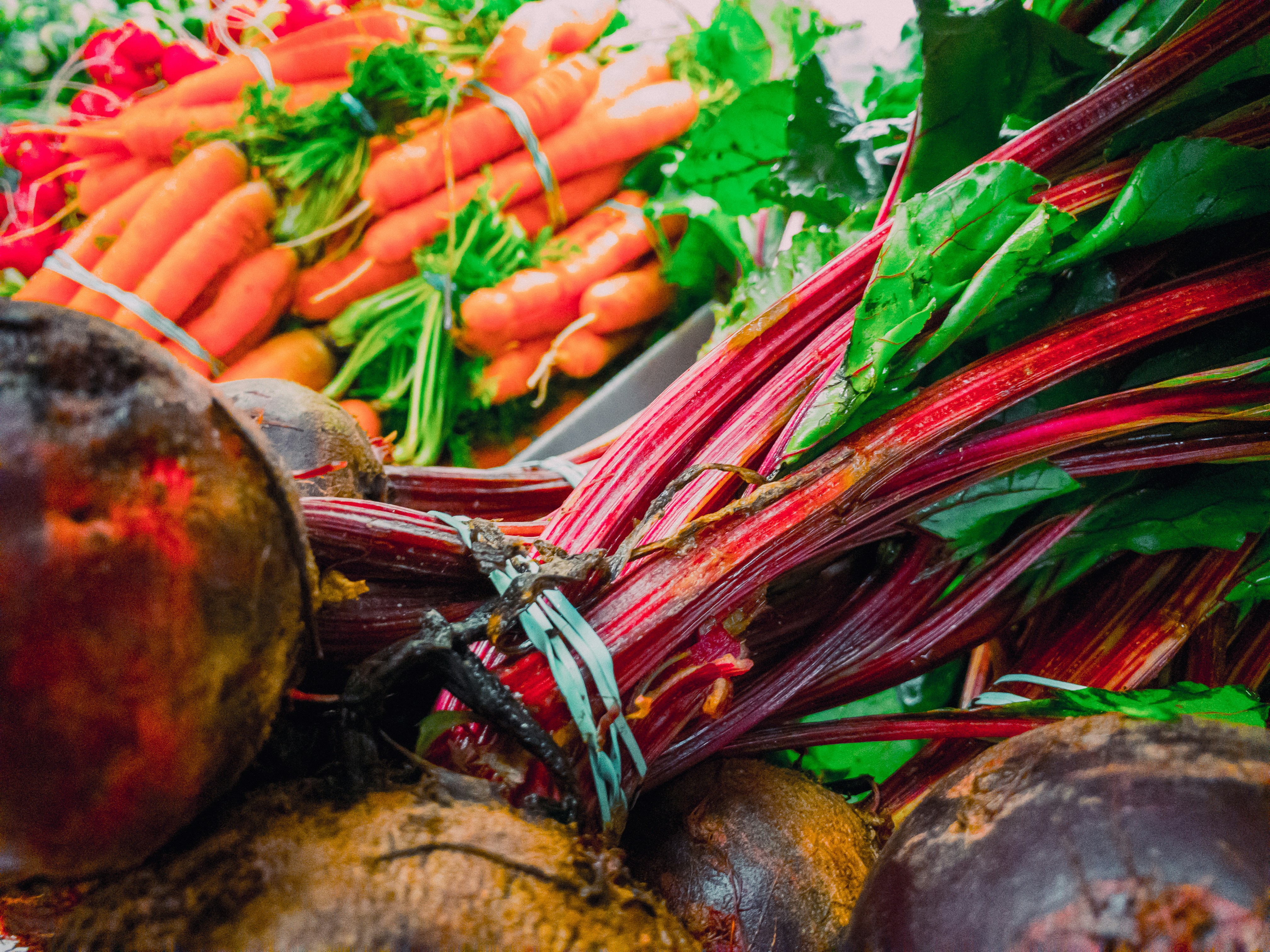
Introduction to Seasonal Eating
Seasonal eating is a practice that encourages individuals and families to consume fruits and vegetables that are harvested during specific times of the year. This approach not only enhances the flavor and nutritional value of meals but also promotes sustainable agricultural practices. By choosing to eat seasonally, families can enjoy a vibrant array of produce at its peak freshness, delivering a more enjoyable dining experience.
One of the primary benefits of seasonal eating is the improved taste associated with fresh produce. Fruits and vegetables that are in season are typically harvested at their peak ripeness, resulting in more robust flavors. Consumers often find that seasonal options, sourced locally when possible, provide an unmatched quality compared to out-of-season produce that may have been shipped from distant locations. This leads to a more flavorful and satisfying meal for families.
Additionally, seasonal eating positively impacts health. Fresh fruits and vegetables are packed with essential vitamins and minerals that support overall well-being. Eating a diverse range of seasonal produce can help families secure a rich assortment of nutrients in their diets, boosting immunity and promoting a healthy lifestyle. Furthermore, many seasonal items are lower in pesticides and chemicals, as they do not require long-term storage, which contributes to a cleaner, healthier plate.
Moreover, making the shift towards seasonal eating has significant environmental benefits. When consumers prioritize locally sourced produce, it reduces the carbon footprint associated with transportation and storage. Supporting local farmers also strengthens the local economy, helping sustain agricultural practices and communities. This collective effort fosters a closer connection between consumers and their food sources, encouraging mindful eating and supporting the sustainability of the food system.
Understanding the Benefits of Eating Seasonally
Eating seasonal fruits and vegetables offers numerous advantages that contribute positively to both individual health and the environment. One of the primary benefits is the enhanced nutrient content of seasonal produce. Fruits and vegetables harvested at their peak ripeness not only taste better but also provide maximum levels of vitamins, minerals, and antioxidants. This optimal freshness ensures that consumers receive the best possible nutrition from their meals.
Cost-effectiveness is another significant advantage of choosing seasonal produce. Seasonal fruits and vegetables are often more affordable due to the lower costs associated with local harvesting and distribution. When produce is in season, supply increases, which can lead to reduced prices in local markets. This financial benefit encourages families to incorporate more fresh produce into their diets, thereby promoting healthier eating habits.
From an environmental perspective, eating seasonally is a sustainable choice that supports local farmers and reduces the carbon footprint associated with food transportation. Out-of-season produce frequently travels long distances, resulting in increased greenhouse gas emissions. By opting for locally sourced seasonal options, consumers contribute to a reduction in these emissions and support the local economy, fostering community growth.
The impact on taste cannot be overlooked either; out-of-season fruits and vegetables may lack the flavor and texture of their in-season counterparts. When produce is grown and consumed in its proper season, the taste is often richer and more vibrant, enhancing any dish it graces. This commitment to seasonality ultimately promotes a more satisfying culinary experience and encourages family meals that center around fresh, flavorful ingredients.
In light of these considerations, choosing seasonal fruits and vegetables not only benefits individual health but also supports broader socio-economic and environmental goals.
How to Identify Seasonal Produce
Identifying seasonal produce is essential for families looking to maximize flavor, nutrition, and sustainability in their meals. One of the simplest methods is to use seasonal produce charts, which are readily available online or through various nutrition and agricultural organizations. These charts provide lists of fruits and vegetables that are typically in season during specific months or seasons, giving families a clear reference point. By becoming familiar with these charts, families can plan their meals around fresher, more flavorful ingredients and support local agriculture.
Another effective approach to identifying seasonal produce is by visiting local farmers’ markets. Farmers’ markets usually showcase a wide variety of fruits and vegetables that are grown in the region, allowing families to purchase produce at its peak freshness. Engaging directly with the farmers can also be informative; they often possess valuable knowledge about what is currently in season and can provide recommendations on how to prepare certain items. This personal interaction can lead to discovering new fruits and vegetables that families might not typically pick up at grocery stores.
Community-Supported Agriculture (CSA) programs offer another avenue for families to connect with seasonal produce. By subscribing to a CSA, families receive a weekly or bi-weekly box of fresh, local produce directly from farmers. This not only ensures access to seasonal fruits and vegetables but also encourages families to experiment with unfamiliar ingredients as every box may contain different offerings throughout the season. By incorporating these methods into their meal planning, families can create diverse and nutritious meals that celebrate whatever is fresh and in season, aligning culinary practices with sustainability.
Seasonal Fruits: A Colorful Array
Eating seasonal fruits not only enhances the flavor of meals but also provides various nutritional benefits. Each season offers a unique selection of fruits that can contribute to a vibrant family plate. Below is a categorized list of seasonal fruits along with their health advantages and suggestions for incorporating them into family meals.
Spring: Spring brings delightful fruits such as strawberries, apricots, and cherries. Strawberries are rich in vitamin C and antioxidants, while apricots provide beta-carotene and support healthy vision. Cherries contain melatonin, which may improve sleep quality. To make a fun snack, consider creating strawberry banana smoothies or apricot yogurt parfaits that kids can help prepare.
Summer: The summer months feature a bounty of juicy fruits like watermelons, peaches, and blueberries. Watermelons are hydrating and low in calories, making them an excellent choice for hot days. Peaches are loaded with vitamins A and C, while blueberries are high in fiber and antioxidants. A refreshing watermelon salad with feta cheese or a simple blueberry cobbler can serve as enticing summer treats for the family.
Fall: As the weather cools, fruits such as apples, pears, and pomegranates make their appearance. Apples are versatile, providing fiber and vitamin C, which can be enjoyed raw or baked into pies. Pears have a sweet flavor and are a great source of dietary fiber. Encourage children to create their own apple slices with nut butter for a nutritious after-school snack, or make a pomegranate smoothie that is both healthy and delicious.
Winter: Finally, winter offers fruits like citrus, kiwi, and persimmons. Citrus fruits, including oranges and grapefruits, boast high vitamin C content, which helps support the immune system during cold months. Kiwis are nutrient-dense and rich in vitamin K. To keep meals engaging, serve oranges as a refreshing salad topping or include kiwis in breakfast smoothies, ensuring that your family enjoys the winter produce.
Incorporating seasonal fruits into the diet not only fosters healthy eating habits but also teaches children about the importance of nutrition. By experimenting with these colorful and nutritious options, families can enjoy a variety of flavors throughout the year.
Seasonal Vegetables: Nutritious and Vibrant Choices
Incorporating seasonal vegetables into family meals not only enhances the vibrancy of the plate but also offers a wealth of nutritional benefits. Seasonal vegetables are packed with essential vitamins, minerals, and antioxidants, making them an integral part of a healthy diet throughout the year. Eating vegetables that are in season ensures maximum freshness and flavor, providing families with the opportunity to explore diverse culinary options across different seasons.
During spring, one can indulge in asparagus, peas, and radishes. Asparagus is an excellent source of vitamins A, C, E, and K, and radishes offer a crunchy texture alongside potassium and antioxidants. A simple yet creative way to prepare asparagus is to roast it with olive oil, garlic, and lemon zest, enhancing its natural flavors. Peas can be stirred into fresh salads or blended into a creamy soup, adding both color and sweetness to the dish.
Summer brings an abundance of colorful choices like zucchini, bell peppers, and tomatoes. Zucchini is low in calories yet high in vitamins C and K. Bell peppers are rich in vitamin A and contain a variety of antioxidants. Grilling vegetables during summer not only retains their nutrients but adds smoky flavors. A vibrant ratatouille, with layers of zucchini, eggplant, and bell peppers, showcases summer’s bounty beautifully.
As autumn arrives, root vegetables such as carrots, beets, and sweet potatoes come into play. Rich in beta-carotene, fiber, and potassium, these vegetables can be roasted for a sweet and earthy side dish or incorporated into hearty soups. With winter on the horizon, kale, Brussels sprouts, and parsnips take the stage. Kale is an excellent source of antioxidants, while Brussels sprouts deliver significant amounts of vitamins C and K. Sautéing them with garlic and lemon or roasting them with a hint of balsamic glaze can make for a nutritious and satisfying meal.
By embracing seasonal vegetables and exploring various preparation methods, families can create colorful, nutrient-rich plates that not only delight the palate but also contribute to overall health and wellness.
Creative Meal Ideas Using Seasonal Produce
Exploring seasonal fruits and vegetables can lead to a delightful range of meal ideas that cater to all family members, promoting both nutrition and culinary creativity. One enjoyable way to highlight seasonal produce is through vibrant salads. For instance, a summer fruit salad combining juicy watermelon, strawberries, and blueberries not only celebrates the flavors of the season but also adds a refreshing option to family meals. Tossing in some fresh mint and a sprinkle of feta cheese can take it to the next level, appealing to both kids and adults alike.
Another great idea is incorporating seasonal vegetables into homemade stir-fries. A colorful mix featuring bell peppers, zucchini, and baby corn can be quickly sautéed with a splash of soy sauce or teriyaki glaze for a deliciously simple dinner. Adding some chicken or tofu provides protein, while a side of brown rice complements the meal. This approach not only ensures family members get their required nutrients but also engages them in the cooking process, as they can choose their favorite seasonal ingredients.
For a fun treat, smoothies can be an excellent way to utilize seasonal fruits. A smoothie combining ripe bananas, peaches, and a handful of spinach creates a delicious blend that can satisfy a variety of age groups. Add a dollop of Greek yogurt for creaminess and extra protein, making it a nutritious snack option for any time of the day. This offers a playful yet healthy approach to consuming seasonal produce.
Finally, consider preparing seasonal veggie snacks, such as roasted carrot sticks or cucumber slices with hummus, which are both nutritious and appealing to younger family members. Encouraging children to assist in the preparation can foster an appreciation for fruits and vegetables and make cooking a fun family activity. Engaging in these meal ideas can turn every dinner into a seasonal celebration.
Tips for Storing and Preserving Seasonal Produce
Seasonal fruits and vegetables offer a wealth of nutrients and flavors, making them an excellent choice for families. However, proper storage and preservation are crucial for maximizing freshness and minimizing waste. Here are some practical tips that can help you maintain the quality of your seasonal produce.
To start, refrigeration plays a vital role in the preservation of many fruits and vegetables. For instance, leafy greens should be washed and dried thoroughly before being stored in a damp paper towel and placed in a perforated plastic bag. This helps maintain their crispness. On the other hand, root vegetables like carrots and potatoes should be kept in a cool, dark place outside of the fridge, as excessive moisture can lead to rot.
For longer-term preservation, freezing is an effective option. Before freezing, most vegetables should be blanched to maintain their color and texture. Simply immerse them in boiling water for a few minutes and then transfer them to ice water before packaging them in freezer-safe bags. This process will help retain their nutrients and flavors, making them just as enjoyable when thawed.
Canning is another technique that allows families to enjoy seasonal produce long after the harvest season has passed. It involves sealing fruits and vegetables in airtight containers and heating them to destroy spoilage organisms. While this method requires careful adherence to guidelines to ensure safety, it offers an excellent way to enjoy homemade jams, pickles, and sauces.
Pickling is a flavorful way to preserve seasonal veggies while adding a tangy twist to meals. Utilizing vinegar, salt, and sugar, various vegetables can be transformed into pickled delights. The shelf life of these pickled items can extend well beyond the fresh produce itself, allowing you to savor seasonal flavors throughout the year.
By following these tips for storing and preserving seasonal produce, families can enjoy the rich variety of fruits and vegetables while reducing food waste and maximizing nutritional benefits.
Involving Children in Seasonal Cooking
Engaging children in the kitchen not only fosters a sense of responsibility but also creates an opportunity for them to learn about the importance of seasonal fruits and vegetables. Involving kids in the seasonal cooking process can enhance their appreciation for healthy, fresh produce and enlighten them about nutrition and sustainability. One effective method to motivate their interest is through fun field trips to local farms or farmers’ markets. These outings allow children to experience firsthand where their food comes from and appreciate the variety of seasonal produce available. As they pick fruits and vegetables, they will develop a connection to the food they consume, making it more likely they will enjoy these healthy choices at home.
Once back in the kitchen, parents can assign age-appropriate tasks that match their children’s skills and abilities. Younger children can easily assist with washing and peeling vegetables, while slightly older ones may take on the responsibility of chopping softer fruits with supervision. Additionally, cooking together can serve as an entertaining way to teach kids about measuring ingredients, following recipes, and understanding the basics of food safety. A simple task such as making a colorful fruit salad or a seasonal vegetable stir-fry allows children to see the direct results of their efforts, which can be incredibly rewarding.
Incorporating children into the cooking process can also create memorable family bonding experiences. It gives parents the opportunity to discuss the health benefits of eating seasonal produce and instills lifelong habits centered around healthy eating. By actively participating in the cooking journey, children are more likely to develop a positive attitude toward trying new foods and embracing a diverse array of seasonal fruits and vegetables. These early experiences can help cultivate a love for cooking and eating well into their futures.
Conclusion: Embracing the Seasonal Lifestyle
As we draw this exploration of seasonal fruits and vegetables to a close, it becomes increasingly clear that embracing a seasonal lifestyle can greatly enhance the experience of family meals. By prioritizing local and in-season produce, families not only support local farmers, but also benefit from the superior taste and nutritional value found in fresh, seasonal ingredients. Seasonal foods are often harvested at their peak, ensuring a wealth of flavor and an abundance of vital nutrients that can contribute to overall health and wellness.
Encouraging your family to experiment with new seasonal recipes can foster excitement around mealtime. In doing so, families can cultivate a deeper connection to their food and the environment. This connection brings the opportunity to teach children and adults alike about the importance of knowing where food comes from, reinforcing respect for nature and sustainable practices. When families engage with the seasons, they become more attuned to the rhythm of nature, allowing for a greater appreciation of the diverse array of fruits and vegetables available throughout the year.
Moreover, the seasonal lifestyle facilitates variety in the diet, helping to ward off the monotony that can accompany repetitive meal planning. By rotating produce based on seasonal availability, families can introduce different textures, colors, and flavors that tantalize the palate and nourish the body. The joy derived from exploring farmers’ markets or local grocers to discover what is currently in season can transform grocery shopping into an engaging family activity.
In summary, embracing a seasonal lifestyle not only enriches family meals but also promotes overall health, enhances environmental awareness, and deepens connections within the family unit. Let us encourage ourselves to relish in seasonal produce, share our culinary experiences, and ultimately celebrate the vibrant flavors that different times of the year offer.


