
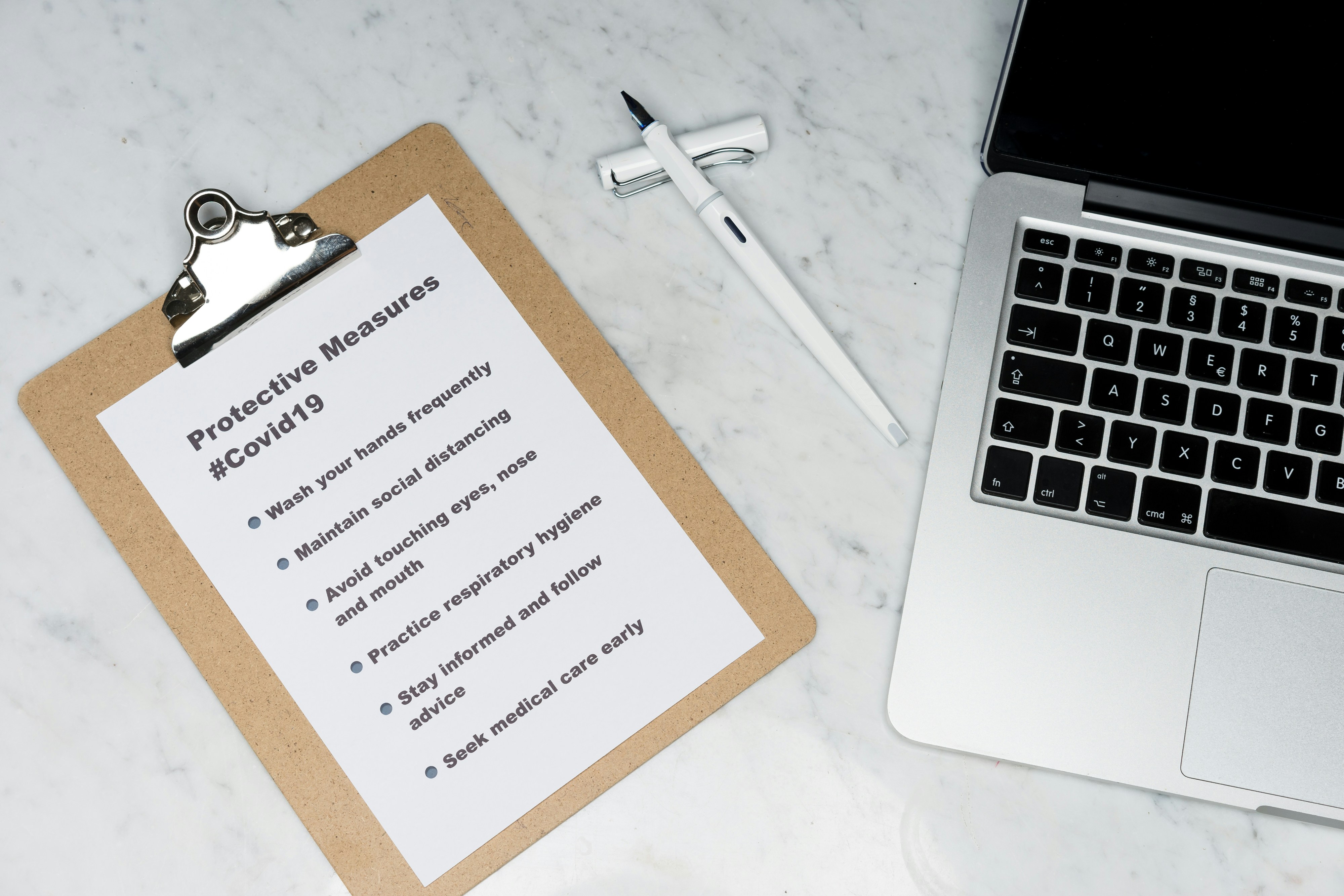
Introduction to Family Hygiene
Family hygiene encompasses the range of practices that promote cleanliness and health within a household. It is a vital aspect of family life, contributing significantly to the overall well-being of each member. Maintaining proper hygiene is not merely a matter of personal cleanliness; it has far-reaching implications for physical health, emotional resilience, and family cohesiveness.
Effective family hygiene measures can mitigate the risk of illness, especially in environments where close contact is commonplace. For instance, regular handwashing, particularly after using the restroom or before meals, can significantly curtail the spread of infectious diseases. When families adopt these practices, they cultivate a healthier environment, which can result in fewer sick days and decreased healthcare costs. Hygiene routines, including the cleaning of shared spaces and the laundering of clothing and linens, also play a critical role in preventing infections.
Furthermore, good hygiene practices can promote emotional well-being among family members. The act of maintaining a clean home can instill a sense of pride and ownership, contributing to a positive atmosphere that fosters emotional connections. Additionally, families that engage in hygiene education together often develop stronger bonds through shared experiences and responsibilities.
This guide aims to equip families with knowledge and practical strategies for incorporating effective hygiene practices into their daily routines. Readers can expect to find detailed recommendations on topics ranging from hand hygiene and personal grooming to home cleanliness and food safety. By prioritizing family hygiene, individuals can enhance health outcomes and create a nurturing environment where emotional and physical well-being thrive.
Daily Hygiene Routines for Families
Maintaining good hygiene is essential for the health and well-being of every family member. Establishing daily hygiene routines can help ensure that everyone, from young children to adults, develops healthy habits. There are several key areas to focus on, including handwashing, oral care, bathing, and personal grooming.
Handwashing is one of the simplest yet most effective ways to prevent the spread of germs. It is crucial that families wash their hands before meals, after using the restroom, and after playing outside. To make this routine enjoyable for children, parents can create fun songs or games to encourage regular handwashing. Additionally, keeping colorful soaps or character-themed items in the bathroom can motivate children to wash their hands more willingly.
Oral care is another vital aspect of hygiene that families should prioritize. Brushing teeth at least twice a day is essential to prevent cavities and maintain healthy gums. Children often enjoy picking out their toothbrushes and toothpaste, making this routine a fun experience. Incorporating timers or apps that play music can also transform tooth brushing into an enjoyable activity. Furthermore, teaching children the importance of flossing from an early age reinforces the significance of a complete oral care routine.
Bathing is an essential hygiene practice that refreshes the body. While daily baths may not be necessary for everyone, it is essential to encourage regular bathing to maintain cleanliness. For younger children, bath time can be turned into a playful experience with toys and bubbles. For busy parents, setting a consistent schedule can help integrate bathing into the family’s daily routine without feeling overwhelming.
Furthermore, personal grooming involves activities such as hair brushing, nail trimming, and skincare routines. Teaching children to take care of their appearance fosters confidence and instills good habits. Engaging kids in selecting their grooming products can create a sense of ownership over their hygiene practices. Overall, implementing these daily routines can promote a supportive environment for proper family hygiene management.
Hygiene Practices During Illness
Maintaining hygiene during illness is crucial for preventing the spread of infections within a household. When a family member is unwell, particularly with a contagious illness, isolation practices become essential. This involves designating a specific room or area in the home for the sick individual. Ideally, they should have access to a private bathroom. If this is not feasible, it is important to establish a schedule for bathroom usage to minimize contact.
Regular sanitation of common areas is equally important. High-touch surfaces, such as doorknobs, light switches, and countertops, should be cleaned frequently using disinfectants that are effective against viruses and bacteria. It is advisable to use disposable wipes or rags to prevent cross-contamination. Additionally, washing hands frequently with soap and water, or using hand sanitizer when soap is unavailable, can significantly reduce the transmission of pathogens. Family members should be mindful of hygiene practices, ensuring that they clean their hands before and after interacting with the sick individual.
Wearing masks serves as an additional protective measure. Masks can help limit the spread of respiratory droplets from the sick person, especially when they are in shared spaces. It is advisable for family members to wear masks when entering the isolation area or when close proximity to the ill person is unavoidable. Moreover, it is pertinent to encourage the sick individual to follow similar precautions.
Caring for someone with a contagious illness can be challenging, yet ensuring a safe environment for other family members is imperative. Keep in mind that emotional and physical support for the sick person is essential, but it must not compromise the overall hygiene standards of the home. By implementing these practices, families can safeguard their health while providing necessary care to loved ones during their time of need.
Kitchen Hygiene: Keeping Food Safe
Maintaining proper hygiene in the kitchen is crucial for preventing foodborne illnesses, which can significantly impact family health. One of the foundational aspects of kitchen hygiene is food storage. It is essential to store food at appropriate temperatures to inhibit the growth of harmful bacteria. Refrigerated items should be maintained below 40°F (4°C), while frozen foods must be kept at 0°F (-18°C). Additionally, raw meat should always be stored separately from other food types to avoid cross-contamination. Utilizing airtight containers can further enhance food safety and overall hygiene.
Another critical factor in kitchen hygiene involves the regular cleaning and sanitizing of surfaces. Countertops, cutting boards, and kitchen utensils must be cleaned with hot, soapy water after each use to remove any potential contaminants. It is also advisable to sanitize these surfaces with a diluted bleach solution or an appropriate commercial sanitizer. The importance of keeping a clean workspace cannot be overstated, as many pathogens can thrive on unclean surfaces, leading to increased risk of foodborne illness.
Safe cooking practices are vital in maintaining kitchen hygiene and ensuring that food is thoroughly cooked to kill any dangerous bacteria. Always use a food thermometer to check that meats and other dishes reach the recommended safe internal temperatures. Additionally, it is important to avoid the practice of washing meat, poultry, or eggs, as this can spread harmful bacteria to surfaces and other foods through splatter. Lastly, teaching children about kitchen hygiene is essential; engaging them in these practices not only helps establish lifelong habits but also ensures that they are aware of the importance of health and safety in the kitchen environment.
Bathroom Hygiene: Creating a Clean Space
Maintaining cleanliness in the bathroom is crucial for family hygiene and overall health. A clean bathroom is not only visually appealing, but it also helps prevent the spread of germs and bacteria. The first step towards achieving this is to establish a regular cleaning routine. Designating specific days for cleaning or allocating time each week can greatly enhance the hygiene of this frequently used space. This routine should include cleaning the toilet, sink, shower, and other surfaces with appropriate disinfectants to ensure they are free from harmful germs.
Additionally, personal items such as toothbrushes, razors, and towels require special attention. These items should be kept in a clean and dry environment to reduce the risk of contamination. It is advisable to replace toothbrushes every three to four months and to store them upright, away from the toilet area. Towels should be laundered regularly, and individual family members should be encouraged to use designated towels to minimize cross-contamination.
In households with shared bathrooms, establishing a few ground rules can make a significant difference. Families should encourage a culture of respect when it comes to bathroom use; this may include wiping down surfaces after use and keeping items organized. Creating a family chore chart can help distribute cleaning duties fairly, ensuring that everyone contributes to maintaining a clean and hygienic bathroom. Furthermore, turning the cleaning process into a fun family activity can foster teamwork and make the task more enjoyable. For instance, playing music or setting a timer for fun challenges can make the experience less tedious.
The effort put into maintaining bathroom hygiene reflects in the overall health and well-being of the family. By establishing regular routines, focusing on personal item hygiene, and promoting effective strategies for shared spaces, families can create an environment that supports cleanliness and health.
Laundry Hygiene: Tips for Clean Clothes
Laundry hygiene is an essential aspect of maintaining family health, as it prevents the spread of germs and maintains the quality of clothing. Proper washing techniques help to eliminate bacteria, allergens, and unpleasant odors that can accumulate on garments. To ensure effective laundry hygiene, it is crucial to follow best practices for washing various types of clothing, including delicates and children’s items, while also considering the management of clean laundry storage.
When washing clothes, it is advisable to sort laundry by color, fabric type, and level of dirtiness. Dark colors should be washed separately from whites to avoid color bleeding. Additionally, heavier fabrics such as towels and bedding should be washed in a separate load from lighter clothing to ensure even cleaning and drying. For delicate items or children’s clothing, using a gentle cycle, cold water, and a mild detergent is recommended to preserve their integrity.
Storing clean laundry correctly is also an integral part of laundry hygiene. Ensure that clothes are thoroughly dried before folding and storing them to prevent the growth of mold and mildew. It is ideal to store clean clothes in a dry, well-ventilated area, away from potential sources of moisture. Utilizing airtight storage bins for seasonal clothing can also help maintain freshness and cleanliness.
Equally important is the cleanliness of the washing machine itself. Regularly cleaning the drum and detergent dispensers can significantly improve the machine’s performance and help to eliminate build-up of mold and detergent residues. Running a cleaning cycle using a washing machine cleaner or a mixture of vinegar and baking soda periodically will help maintain hygiene standards in your laundry regimen.
Outdoor Hygiene: Keeping Families Safe
Engaging in outdoor activities such as visiting parks, enjoying picnics, or participating in sports provides families with numerous benefits. However, it is essential to prioritize hygiene to ensure that these experiences remain enjoyable and safe. Proper outdoor hygiene involves several practices that can significantly reduce the risk of illness and promote overall wellbeing.
One crucial aspect of outdoor hygiene is the use of insect repellent. As families venture into natural areas, the presence of mosquitoes and ticks can pose health risks, including the transmission of diseases. Parents should choose a repellent that is safe for children and apply it according to the manufacturer’s instructions. Educating children about the importance of using insect repellent and wearing protective clothing can help foster lifelong habits of safety during outdoor adventures.
When it comes to food safety during outings, it is paramount to practice safe food handling. Families should pack perishable items in insulated coolers and consume them within a few hours to prevent spoilage. It’s also advisable to use disposable wipes or hand sanitizers before handling food to minimize the risk of contamination. Teaching children to wash their hands—either with soap and water or hand sanitizer—before meals is crucial in promoting good hygiene habits.
Cleanliness when using public facilities, such as restrooms at parks, is another significant consideration. Families should encourage handwashing with soap after using the restroom and before eating. Additionally, it is wise to carry disinfectant wipes or spray to clean surfaces of high-touch areas such as toilet seats and sinks. Parents can lead by example, demonstrating these hygiene practices to instill a strong understanding of outdoor hygiene in their children.
By implementing these practices, families can continue to enjoy outdoor activities while ensuring that hygiene remains a top priority. This not only protects individual health but also contributes to the wellbeing of the community at large.
Hygiene and Mental Well-being
The relationship between hygiene and mental health is significant and multifaceted. A lack of attention to personal hygiene can lead to feelings of embarrassment, shame, and isolation, which may contribute to stress and anxiety. The psychological impact of neglecting hygiene should not be underestimated. Individuals may experience a decline in their self-esteem, resulting in a vicious cycle that further exacerbates mental health struggles. Furthermore, poor hygiene can lead to physical health issues, which in turn can compound stress and mental fatigue.
On the other hand, maintaining a consistent hygiene routine can have profound positive effects on mental well-being. Engaging in regular hygiene practices such as showering, brushing teeth, and maintaining clean clothing can instill a sense of accomplishment and promote feelings of self-worth. These simple actions can create a psychological framework that fosters a sense of control over one’s environment and personal circumstances. Moreover, the act of caring for oneself through hygiene can serve as a daily reminder of personal value, which is essential for a healthy mental state.
To effectively incorporate hygiene into daily routines, individuals might begin by establishing small, manageable goals. Setting a consistent time for daily or weekly hygiene tasks can help reinforce the importance of these practices. Additionally, creating a checklist of hygiene habits, such as skincare or dental care, can provide a visual cue that helps maintain accountability. Engaging family members in these routines can also encourage shared responsibility, fostering a supportive environment that promotes collective well-being.
Ultimately, by recognizing the link between hygiene and mental health, individuals can cultivate habits that contribute to both physical cleanliness and emotional stability. Integrating effective hygiene practices into daily life not only benefits physical health but also enhances overall mental well-being, creating a balanced and fulfilling lifestyle.
Building Hygiene Awareness in Children
Instilling good hygiene habits in children is a fundamental aspect of their development that can have lifelong benefits. Parents play a crucial role in teaching their children about personal hygiene, making it essential to approach this topic with creativity and engagement. By using fun activities, games, and age-appropriate lessons, parents can effectively convey the importance of hygiene in a way that resonates with young minds.
One effective strategy involves integrating games into daily routines. For instance, parents can turn handwashing into a fun activity by singing a short song together that lasts as long as the recommended wash time—about 20 seconds. This not only helps children learn the correct technique for washing hands but also makes the process enjoyable. Similarly, parents can create a chore chart that includes hygiene responsibilities, such as brushing teeth or taking baths, allowing children to earn stickers or small rewards for completing tasks.
Additionally, storytelling can be a powerful tool for teaching hygiene. By reading books or creating stories that involve characters practicing good hygiene, parents can illustrate the consequences of neglecting cleanliness while reinforcing positive behavior. Encouraging children to share their experiences or ask questions about personal hygiene can foster a sense of responsibility and ownership. It is important for parents to communicate the rationale behind hygiene practices, emphasizing how these habits contribute to health and well-being.
As children grow, involving them in hygiene-related discussions and decision-making can fortify their understanding of why these routines matter. Encouraging them to express their preferences for hygiene products, such as soaps or toothbrushes, can help them feel more invested in their routines. By consistently modeling healthy habits and providing guidance, parents can build a strong foundation for hygiene awareness, ensuring that their children carry these essential skills into adulthood.


