
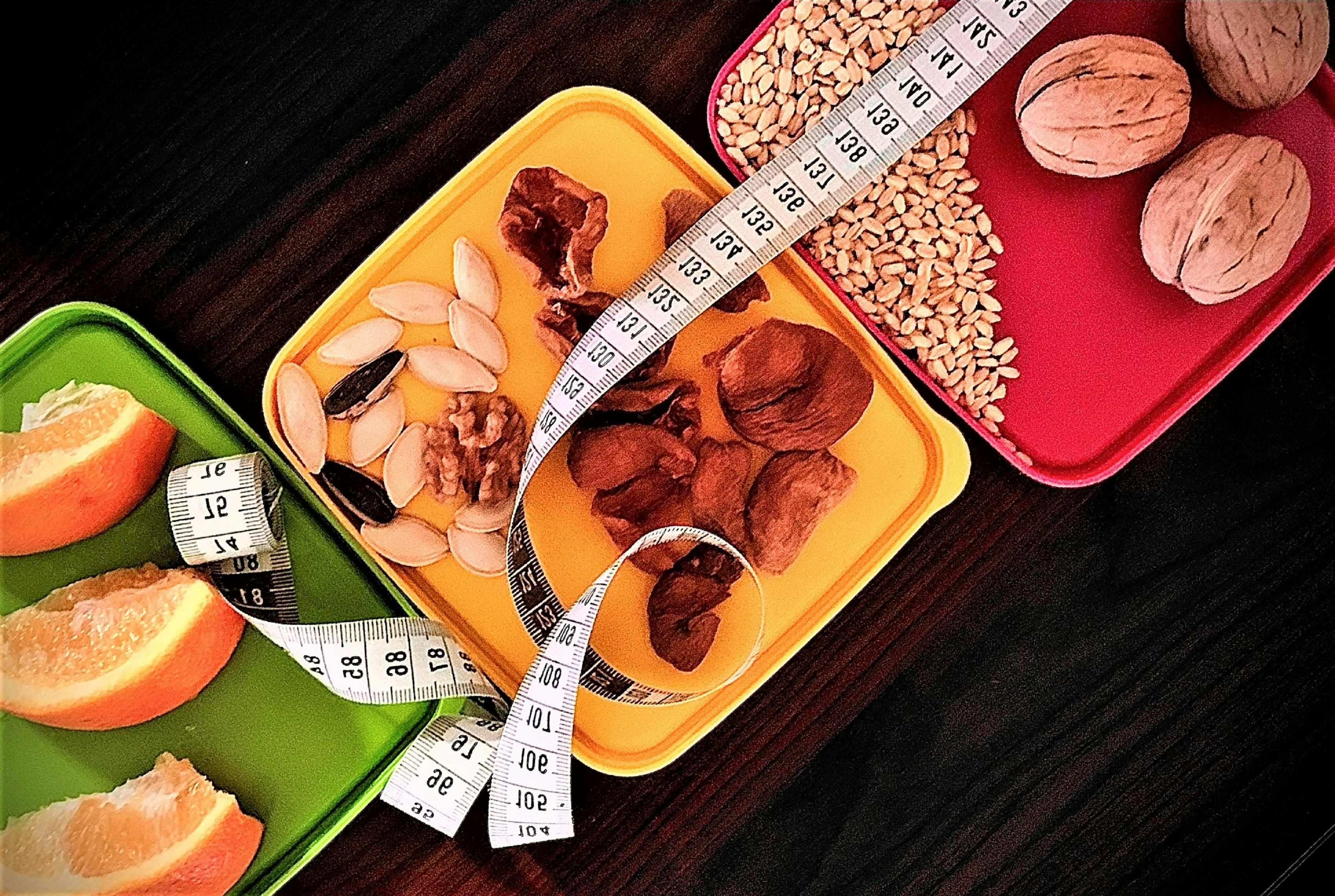
Introduction to Nutritious Snacking
Nutritious snacking plays a pivotal role in maintaining a balanced diet for both children and adults. In today’s fast-paced lifestyle, families often find themselves reaching for convenience foods that offer little in terms of nutritional value. However, incorporating healthy snacks into daily routines can significantly enhance overall health and well-being. Healthy snacks are not just a way to quell hunger between meals, but they also serve as an opportunity to introduce essential vitamins, minerals, and energy that might be lacking in regular meals.
For children, the importance of nutritious snacks cannot be overstated. Growing bodies require a steady supply of nutrients to support physical development, cognitive function, and overall health. Snacks that are rich in fruits, vegetables, whole grains, and lean proteins provide the necessary building blocks for their growth. Additionally, establishing healthy snacking habits early in life can set the groundwork for lifelong healthy eating patterns, influencing their food choices well into adulthood.
Parents equally benefit from making informed snacking choices. Nutrient-dense snacks can help curb cravings, enhance energy levels, and support mental clarity throughout busy days. By choosing snacks that are not only satisfying but also laden with healthful ingredients, parents can bolster their own health while setting a positive example for their children.
As the foundation of a healthy diet, nutritious snacks can play a transformative role in bridging the gap between meals, preventing unhealthy eating habits, and ensuring that both kids and parents receive the nutrients they need to thrive. Therefore, recognizing the importance of selecting nutritious options is vital for fostering a culture of health within families.
Why Nutritious Snacks Matter
Nutritious snacks play a pivotal role in the overall health and well-being of both children and adults. They serve not only as a means to satisfy hunger between meals, but they also provide essential nutrients that contribute to physical and mental performance. One of the primary benefits of incorporating healthy snacks into daily routines is their ability to prevent unhealthy food cravings. When individuals consume snacks that are rich in vitamins, minerals, and other beneficial compounds, they are less likely to reach for sugary or processed foods that can lead to energy crashes and subsequent cravings.
Moreover, nutritious snacks help to maintain consistent energy levels throughout the day. For children, this is particularly important as they need sustained energy to support their active lifestyles and to keep their focus during school hours. Parents, too, can greatly benefit from healthy snacks, as they often require an energy boost to navigate their busy schedules. By opting for snacks that prioritize nutrition, families can avoid the quick highs and lows associated with refined sugar and unhealthy fats, ensuring a more balanced energy supply.
Another significant aspect is the impact of nutritious snacks on concentration and performance in both educational and occupational settings. Foods rich in whole grains, fruits, and vegetables are known to boost cognitive function, thereby enhancing learning and productivity. These snacks can be instrumental in helping children excel academically, while also supporting adults in their professional tasks.
Ultimately, the role of nutritious snacks extends beyond mere sustenance; they are pivotal in developing healthy eating habits in children. Instilling a preference for wholesome foods at a young age lays the groundwork for a lifetime of positive dietary choices. As families prioritize incorporating nutritious snacks into their daily routines, they foster an environment that values health and well-being.
Criteria for Choosing Healthy Snacks
Selecting nutritious snacks is essential for maintaining the energy levels and overall well-being of both kids and parents. When evaluating snack options, several key factors should be taken into account. First and foremost, it is crucial to look for whole ingredients. Whole foods, such as fruits, vegetables, nuts, and whole grains, provide a plethora of essential nutrients without the unnecessary additives often found in processed snacks. This focus on whole ingredients ensures that the snacks not only nourish the body but also support healthy growth and development.
Another important consideration is the avoidance of added sugars. Many commercially available snacks contain high levels of sugar, which can lead to energy crashes and other health issues. Instead, opt for snacks that are naturally sweetened with fruits or contain no added sugars at all. This helps ensure that snack choices contribute positively to the daily intake of vitamins and minerals, without the adverse effects associated with excessive sugar consumption.
Furthermore, fueling up with proteins, healthy fats, and fiber is vital when selecting healthy snacks. Proteins aid in muscle repair and growth, while healthy fats support brain development and keep individuals feeling full longer. Fiber, on the other hand, supports digestive health and can help regulate blood sugar levels. Integrating a mix of these elements into snacks is an effective way to ensure sustained energy throughout the day.
Lastly, becoming adept at reading labels is essential for making informed snack choices. Look for products with straightforward ingredient lists that highlight whole foods. Checking for nutritional information—such as serving size and nutrient content—allows for better awareness of what one is consuming. By focusing on whole ingredients, reducing added sugars, and including proteins, healthy fats, and fiber, individuals can make choices that contribute to a balanced diet and improve overall health.
Top 10 Nutritious Snacks for Kids
When considering nutritious snacks for kids, it is essential to strike a balance between health and taste. Here are the top ten snacks that not only tantalize young taste buds but also support their nutritional needs.
1. Fruit Kabobs: Colorful fruit skewers made with a variety of fruits like strawberries, grapes, and pineapple are both visually appealing and nutritious. They provide essential vitamins and fiber, making them a delightful snack.
2. Yogurt Parfait: Layering yogurt with granola and fresh fruits creates a fun and healthy treat. Yogurt is rich in calcium and probiotics, while granola adds healthy carbohydrates, making this snack both satisfying and nutritious.
3. Veggie Sticks with Hummus: Carrot, cucumber, and bell pepper sticks paired with hummus encourage kids to eat their vegetables. Hummus provides protein and healthy fats, ensuring a balanced dietary intake.
4. Whole Grain Mini Muffins: These can be made with bananas or blueberries, offering sweetness and nutrition. Whole grains are linked with improved dietary fiber, a crucial component for growing children’s digestive health.
5. Cheese Cubes and Whole Grain Crackers: This combination offers a good source of protein and calcium. Present it on a colorful plate for an appealing look that encourages kids to enjoy healthy snacks.
6. Nut Butter and Apple Slices: Spreading almond or peanut butter on apple slices combines sweetness with healthy fats and proteins, making it highly satisfying and nutritious for kids.
7. Popcorn: Air-popped popcorn is a whole grain snack that can be tailored to taste with light seasoning. It is a low-calorie, high-fiber snack that can keep children full between meals.
8. Smoothies: A blend of fruits, spinach, and yogurt creates a nutritious drinkable snack. This refreshing option is a great way to sneak in extra servings of fruits and vegetables.
9. Overnight Oats: Prepared with oats, yogurt, and fruits, this easy-to-make snack can be customized. It is rich in fiber and keeps kids energized for longer periods.
10. Trail Mix: A mix of nuts, seeds, and dried fruits provides a variety of flavors and textures. Trail mix is packed with healthy fats, proteins, and essential nutrients, making it a fantastic snack for active children.
Incorporating these nutritious snack options into your child’s diet can contribute significantly to their overall health, fostering better eating habits that can last a lifetime.
Top 10 Nutritious Snacks for Parents
In the hustle and bustle of daily life, parents often find it challenging to maintain a balanced diet while managing their numerous responsibilities. However, incorporating nutritious snacks into a busy schedule can enhance energy levels and ensure proper nourishment throughout the day. Here are ten commendable snack options tailored specifically for parents, each designed for quick preparation while offering a boost of essential nutrients.
1. Greek Yogurt Parfait: Combining Greek yogurt with fresh fruits and a sprinkle of granola provides protein, calcium, and antioxidants. This satisfying snack can be prepared in a matter of minutes, making it a perfect energy booster for busy parents.
2. Nut Butter on Whole Grain Toast: Whole grain toast topped with almond or peanut butter is not only filling but also offers healthy fats and fiber. This simple snack helps sustain energy, allowing parents to power through their tasks.
3. Vegetable Sticks with Hummus: Quick and easy to prepare, carrot, celery, and cucumber sticks served with hummus make for a crunchy and nutritious snack. Hummus is high in protein and fiber, ensuring sustained energy release.
4. Trail Mix: A mix of nuts, seeds, and dried fruits provides a convenient source of healthy fats, protein, and nutrients. Parents can customize their trail mix to include their favorites for a personalized snack experience.
5. Hard-Boiled Eggs: Packed with protein, hard-boiled eggs are an ideal grab-and-go snack. They can be made in advance and stored in the refrigerator, ready to be consumed when hunger strikes.
6. Fruit and Cheese Plate: Slices of cheese paired with apples or grapes create a delightful snack that offers calcium, vitamins, and a satisfying texture.
7. Energy Bites: Homemade energy bites made from oats, nut butter, and honey provide a quick source of energy, making them perfect for busy parents needing a pick-me-up.
8. Popcorn: Air-popped popcorn is a whole grain snack that is low in calories yet high in fiber. Seasoning it with nutritional yeast adds a cheesy flavor while boosting its nutritional profile.
9. Cottage Cheese with Pineapple: The combination of cottage cheese and pineapple offers a delightful mix of protein and natural sweetness, ideal for a refreshing snack.
10. Avocado Toast: Avocado spread on whole grain bread not only serves as a delicious snack but is also rich in healthy fats and vitamins, making it a smart choice for parents on the go.
These snacks not only cater to the nutritional needs of parents but also allow for quick consumption without compromising on health. By integrating these easy options into daily routines, parents can enhance their overall well-being while effectively managing their busy lifestyles.
Tips for Making Snack Time Fun
Creating an enjoyable snack time experience for both kids and parents can significantly enhance the appeal of nutritious snacks. Engaging children in the process of preparing their snacks not only fosters healthy eating habits but also allows for family bonding. One effective approach is to involve children in the selection and preparation of their snacks. Initiating a simple DIY snack project, such as making yogurt parfaits with layers of fruits and granola, can turn an ordinary snacking routine into an interactive and educational experience.
Moreover, presentation plays a critical role in making nutritious snacks more enticing. Parents can utilize creative methods to arrange snacks aesthetically. For instance, arranging sliced fruits and vegetables to create fun shapes—like flowers or animals—on their plates can capture kids’ attention. Additionally, using colorful plates or themed bowls can also add an element of excitement to snack time.
Another enjoyable way to make snacking fun is by establishing a “Snack of the Week” challenge, where families can explore new healthy snacks together. Children can participate in selecting a new fruit or vegetable to try each week, encouraging them to be adventurous with their food choices. Moreover, parents can spice up the experience by organizing a “snack tasting party” where different nutritious snacks are presented, and everyone votes for their favorites.
Including games during snack time can also create a lively atmosphere. Incorporating educational trivia related to nutrition can motivate children to learn more about the health benefits of various foods as they enjoy their creations. Ultimately, the goal is to create a shared enjoyment of healthy eating habits, ensuring that snack time becomes a delightful experience for both kids and parents while promoting a balanced diet.
Allergy-Friendly Snack Options
In modern households, allergies are a growing concern that can significantly impact meal planning and snack choices. Families dealing with allergies often seek nutritious snacks that are safe for all members. This section presents a variety of allergy-friendly snack options that cater to common food allergens, including nuts, dairy, and gluten, ensuring everyone can enjoy healthy and delicious snacks.
One excellent choice is fruit and vegetable sticks served with hummus or guacamole. These snacks are not only colorful and appealing but also packed with vitamins and minerals. They are free from gluten and nuts, making them a suitable option for families with allergies. Hummus can be made using a variety of beans, such as chickpeas or black beans, ensuring a tasty yet allergy-safe dip.
An alternative to traditional peanut butter, which is common in many households, is sunflower seed butter. This nut-free option allows families to continue enjoying spreads on apple slices or whole grain crackers without the worry of triggering nut allergies. Additionally, many grocery stores now offer gluten-free crackers, which can be enjoyed with an array of toppings, providing a versatile snacking experience.
Another tasty snack idea involves yogurt made from alternative bases, such as coconut or almond milk. These dairy-free yogurts come in various flavors and can be paired with gluten-free granola or fresh fruits, offering a satisfying treat without dairy. When selecting yogurt, ensure it is free from harmful additives and is made with wholesome ingredients.
Finally, air-popped popcorn seasoned with nutritional yeast is a wonderful gluten-free and nut-free snack. It provides a crunchy texture and is rich in important nutrients, making it an appealing option for both children and adults alike. These allergy-friendly snack options ensure that everyone in the family can indulge in nutritious and safe snacks, promoting a healthy lifestyle free from allergy concerns.
Incorporating Snacks into Daily Routines
Integrating nutritious snacks into daily family routines is essential for promoting healthy eating habits among both kids and parents. Planning ahead is a fundamental step that ensures snacks are not only nutritious but also convenient. Families can designate specific days to prepare snacks for the week, allowing for a variety of options such as fruit slices, yogurt, or whole-grain crackers. By dedicating time to prepare snacks, parents can avoid the temptation of reaching for less healthy choices when hunger strikes.
Accessibility plays a crucial role in snacking habits. Keeping healthy snacks visible and within reach can significantly influence the choices families make. For instance, placing fruits in a bowl on the kitchen counter or designating a specific shelf in the refrigerator for ready-to-eat snacks can encourage kids to grab healthier options. Similarly, parents can create snack packs consisting of nuts, seeds, or dried fruit that are easy to grab on-the-go, which can support a busy lifestyle while ensuring that family members are consuming nutrient-rich foods.
Creating a balanced eating schedule that includes regular snack breaks can also foster a positive approach to nutrition. Establishing specific times for snacks, such as mid-morning and mid-afternoon, can help regulate hunger and maintain energy levels throughout the day. This routine can reduce the likelihood of overeating during meal times and can teach children the value of mindful eating. Furthermore, involving children in the planning process can be an educational opportunity, encouraging them to select their favorite healthy snacks and learn about their nutritional benefits.
Ultimately, incorporating nutritious snacks into daily routines involves a combination of careful planning, accessibility, and creating a balanced schedule. These practices can lead to healthier eating habits, benefiting both children and parents as they navigate their respective lifestyles.
Conclusion and Encouragement for Healthy Snacking
In today’s fast-paced world, the significance of choosing nutritious snacks for both kids and parents cannot be overstated. Healthy snacking plays a crucial role in providing essential nutrients that contribute to overall well-being and development. By opting for wholesome snacks, families can ensure they are fueling their bodies with the necessary vitamins and minerals that support physical and cognitive growth. Moreover, nutritious snacks can help maintain energy levels throughout the day, making them an integral component of a well-balanced diet.
It is important to emphasize that healthy eating does not have to be bland or monotonous. There are numerous flavorful and appealing options available that can satisfy taste buds while adhering to dietary needs. Encouraging children to participate in the selection and preparation of snacks can also promote a positive attitude towards nutritious food choices, fostering an environment where healthy eating is associated with enjoyment rather than restriction.
Parents are encouraged to experiment with various nutritious snacks and work alongside their children to discover combinations that resonate with their family’s unique preferences. This exploration can include trying different fruits, vegetables, whole grains, and nutritious dips, leading to exciting and enjoyable snacking options. It is also essential to keep an open mind and adapt to changing tastes as children mature, ensuring that healthy eating remains a dynamic part of family life.
Ultimately, by prioritizing healthy snack choices, families can cultivate lasting habits that support their well-being. Embracing a variety of nutritious snacks will not only enhance overall health but also create enjoyable moments around food that can strengthen familial bonds.


