
Introduction to Indoor Activities
In today’s fast-paced world, ensuring that children remain active has become more essential than ever, especially when outdoor play is limited due to inclement weather or other circumstances. Indoor activities serve as a vital solution to encourage physical movement and engagement within the home environment. Keeping kids moving is not only beneficial for their physical health but also plays a crucial role in their mental well-being.
Physical activity is paramount for children as it aids in developing strength, coordination, and cardiovascular fitness. Engaging in indoor exercises can help maintain their fitness levels when outdoor options are unavailable. Furthermore, these activities help combat sedentary habits which can lead to a range of health issues in the long term. An active lifestyle cultivated from an early age promotes healthy growth patterns and contributes to overall wellness.
Indoors, children can explore a multitude of activities tailored to keep them entertained while promoting movement. From yoga to dancing, these possibilities allow for creative expressions and social interactions, which are essential for emotional development. The rhythm of physical exercises fosters not only physical but also cognitive skills by enhancing focus and discipline. Moreover, participating in indoor games can improve social skills, as kids often play together, leading to teamwork and collaboration.
In this blog post, we will delve into a selection of enriching indoor activities designed to keep kids engaged and moving. Each activity will detail its benefits, instructions, and how it can be seamlessly integrated into daily routines, ensuring that children remain active and healthy regardless of their environment.
Creating a Fun Indoor Obstacle Course
Designing an indoor obstacle course can be an exciting way to keep children active while stimulating their creativity. The first step is to gather various household items that can be repurposed into fun challenges. Commonly available items include pillows, cardboard boxes, chairs, and blankets. These materials not only allow for a range of activities but also encourage imaginative play.
To set up the course, start by selecting a suitable area in your home with plenty of space. Outline the obstacles you want to create, incorporating both physical and mental challenges. For instance, children can crawl under tables, hop between pillows, or balance on a line of tape on the floor. It’s essential to ensure safety by securing any unstable objects and removing potential hazards, such as sharp edges or slippery surfaces, from the area.
Variability in the course can cater to different age groups and activity levels. Younger children may enjoy simpler tasks, like navigating around chairs, while older kids might appreciate a more complex setup that includes jumping over small hurdles or completing a series of challenges in a timed race. By adjusting the difficulty, you can encourage kids of all ages to partake in the fun.
Incorporating elements of competition and cooperation can significantly enhance the experience. For example, you can introduce a timer to create a friendly competition between participants or encourage teamwork by having them navigate the course in pairs. This not only fosters a sense of camaraderie but also helps children develop social skills as they cheer each other on and share strategies. Overall, an indoor obstacle course serves as an innovative solution to keep kids engaged and physically active, rain or shine.
Dance Parties and Movement Games
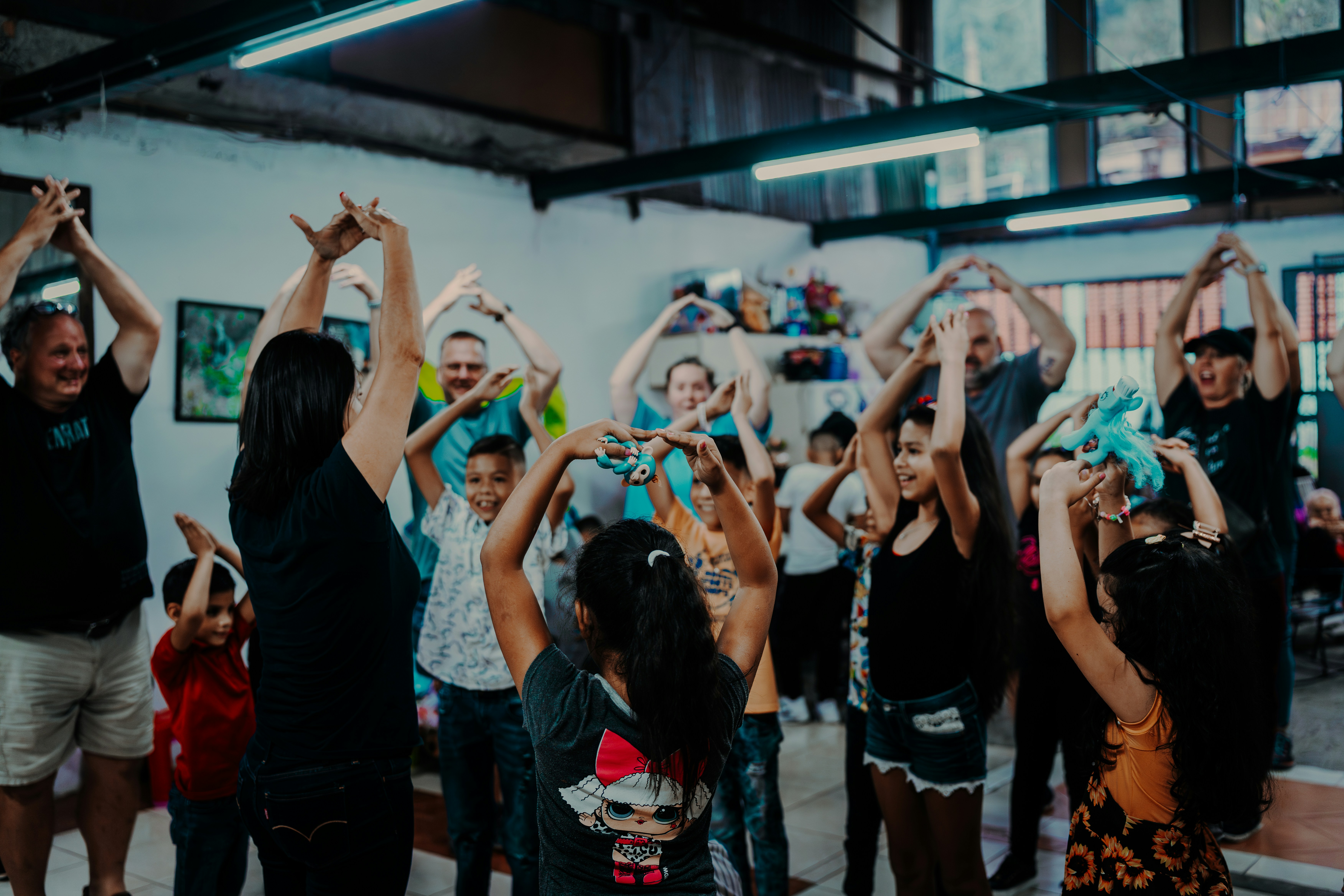
Dance serves as an excellent form of exercise for children, offering a multitude of physical and mental benefits. Engaging in dance allows kids to express themselves creatively while also enhancing their coordination, balance, and cardiovascular fitness. By incorporating dance parties and movement games at home, parents can ensure that their children remain active in a dynamic and entertaining way.
Hosting a dance party can be as simple as arranging a designated time where the family gathers to move together. Parents can create themed playlists that include various genres of music, thus exposing children to different rhythms and styles. Themes can range from classic hits to contemporary pop songs, or even educational tracks that teach them about languages, counting, or history. This diversity not only keeps children engaged but also encourages them to interact with their surroundings in a fun way.
In addition to free dance sessions, introducing dance challenges can add an element of excitement. Kids can be encouraged to learn and mimic specific dance moves, participate in dance-offs, or follow along with popular online dance tutorials. These activities foster healthy competition and motivate children to push their boundaries while enjoying the moment. Furthermore, movement games such as “freeze dance” or “musical statues” can enhance their listening skills and offer moments of laughter and joy.
Ultimately, the integration of dance parties and movement games into a child’s daily routine can promote an active lifestyle. These activities not only facilitate physical development but also contribute to social bonding and emotional wellness. By embracing the playful side of physical activity, families can cultivate a love for movement that lasts a lifetime. This combination of fun and fitness makes dance an ideal choice for keeping kids moving indoors.
Indoor Scavenger Hunts
Organizing an indoor scavenger hunt is an excellent way to keep children engaged and active within the confines of your home. This activity not only encourages movement but also stimulates creativity and problem-solving skills. To start, consider creating a scavenger hunt theme that resonates with your child’s interests. Popular themes might include nature, colors, or even superheroes, making the event more relatable and exciting for the participants.
Next, curate a list of items for children to find. Common household objects can become part of the scavenger hunt, such as a red sock, a toy dinosaur, or a family photo. Introduce new dimensions by specifying where children should search for these items, such as under the couch cushions or inside the bathroom cabinet. By strategically placing items in various rooms, you encourage movement as they explore different spaces around the house.
To enhance the physical activity aspect of the scavenger hunt, consider incorporating challenges along with the item list. For instance, after finding a specific object, they might need to complete a certain number of jumping jacks or a short dance before proceeding to the next clue. This approach not only adds an element of fun but also integrates exercise seamlessly into the game. The combination of searching for items coupled with physical activities ensures that kids remain active while participating in this engaging quest.
Finally, consider using a timer to gauge how quickly they can complete the hunt, adding a competitive edge. Scavenger hunts can easily be adapted for children of different ages, making them an inclusive activity for siblings or friends to enjoy together. This versatile and energetic activity is a perfect indoor alternative to keep your kids moving and entertained.
Active Video Games and Apps
In recent years, the advancement of technology has led to a surge in active video games and apps specifically designed for children. These interactive platforms utilize motion-sensing technology, augmented reality, and engaging gameplay to encourage physical activity while allowing children to enjoy the benefits of digital entertainment. Popular games such as “Just Dance” and “Ring Fit Adventure” offer dynamic ways for children to move their bodies, all within the comfort of their homes.
Active video games and apps are not just a passing trend; they are an innovative solution to the challenge of keeping children active indoors. Many of these games require players to perform various physical movements, such as dancing, jumping, or even completing challenges that simulate sports activities. This kind of active play promotes cardiovascular health, improves coordination, and helps build strength while making exercise enjoyable. Moreover, children often find themselves engaged in friendly competition, either with family members or friends, thus fostering a spirit of teamwork and cooperation.
While integrating active video games and apps into a child’s routine can be highly beneficial, moderation is paramount. Screen time should be balanced with other activities to ensure a well-rounded lifestyle. Experts recommend following guidelines provided by pediatric associations, which suggest that children aged 2 to 5 years should have no more than one hour of screen time per day, while older children and adolescents should have consistency in both screen time and physical activity. Parents can play a vital role by setting limits and encouraging outdoor play or other non-screen-related physical activities as supplements to gaming. By doing so, they can help their children develop a healthy attitude towards both technology and fitness.
Creative Movement with Arts and Crafts
Incorporating movement into arts and crafts can provide children with a dynamic outlet for creativity while promoting physical activity. Large-scale projects not only encourage artistic expression but also require the use of their bodies in various ways. One engaging activity is mural painting, where children can collaborate to design and paint a large backdrop on a wall or canvas anchored on the ground. This kind of project requires them to stretch, reach, and squat, allowing for a full range of motion and engaging various muscle groups.
Another inventive idea is to create sculpture gardens using recyclable materials. Children can collect items from nature, such as twigs, leaves, and stones, to design their sculptures. Assembling these elements often involves walking around to gather materials, balancing on one foot while stacking components, and employing coordination skills. These activities not only blend creativity with movement but also help improve fine motor skills and spatial awareness.
A third suggestion is to organize a dance or movement-based craft session, such as making rhythm instruments. For instance, children can construct shakers using plastic bottles filled with corn, rice, or beads. Once completed, not only do they get to play with their new creations, but they can also engage in a fun dance session that incorporates the use of their instruments. This allows for an enjoyable way to merge arts and crafts with physical activity, while rhythm and music can further stimulate movement.
By creatively combining movement with arts and crafts, parents and educators can ensure that children remain engaged and active. These types of experiences foster not only artistic skills but also promote physical fitness, which is essential for healthy development.
Yoga and Mindfulness Exercises for Kids
Yoga and mindfulness exercises offer numerous benefits for children, enhancing both physical flexibility and mental well-being. These practices foster a sense of calmness and help children develop a greater awareness of their bodies and minds. Engaging in yoga can also contribute significantly to the overall health of kids while providing a valuable outlet for energy.
One of the simplest ways to introduce yoga to children is through fun and engaging poses. For example, the “Tree Pose” encourages balance and focus. Children can stand on one leg while placing the opposite foot against the inner thigh of the standing leg, arms raised overhead like branches. This not only promotes physical stability but also encourages concentration and mindfulness, making it an excellent choice for indoor activities.
Another beneficial pose is the “Downward Dog.” Children can come onto their hands and knees and then lift their hips upward, creating an inverted V shape. This pose stretches the back and strengthens the arms and legs, while also promoting relaxation and inner peace. Encouraging kids to hold these poses for a few breaths helps them connect with their breath, enhancing their mindfulness practice.
In addition to physical poses, mindfulness exercises such as deep breathing or visualization can be effective. Teaching children to take slow, deep breaths can help them manage stress and build emotional resilience. One technique involves having them close their eyes and imagine a peaceful scene, like a serene beach or a calm forest. This exercise cultivates inner tranquility and sharpens their focusing abilities.
Incorporating yoga and mindfulness into the daily routine can offer kids essential tools for self-regulation and emotional health. These practices promote flexibility, relaxation, and overall well-being, making them valuable indoor activities for families to explore together.
Indoor Sports and Games
Engaging children in physical activities indoors can be both enjoyable and beneficial for their development. A plethora of indoor sports and games can keep kids active while promoting teamwork and sportsmanship. Mini basketball, for instance, can easily be adapted for any indoor environment. By utilizing a smaller hoop or adjusting the height of the rim, children can learn shooting techniques while enhancing their hand-eye coordination in a contained space.
Another option is badminton; an excellent choice for fostering agility and reflexes. Setting up a net across a living room or gymnasium allows children to practice their serves and volleys while staying active. The lightweight nature of the shuttlecock makes it a safe alternative for indoor play, ensuring that soft furnishings remain intact. Parents can modify the rules by introducing rotation systems, where kids swap partners after a set number of points, reinforcing social interaction and cooperation.
Indoor soccer is another thrilling activity that can be tailored for smaller spaces. By using softer balls or foam alternatives, kids can safely engage in scrimmages without the risk of injury or damaging property. Establishing boundaries creates clear play areas, while teams can be adjusted in size to accommodate the number of participants and the available space. This flexibility encourages inclusivity and instills the values of teamwork as children employ strategies to outmaneuver their opponents.
Moreover, incorporating games like tag or obstacle courses can energize kids in lieu of conventional sports. With some creativity, household items can be transformed into climbing frames or hurdles, promoting physical agility while making exercise fun. In addition to staying physically active, these games emphasize important life skills such as communication, cooperation, and respect for others, fundamental components of sportsmanship.
Conclusion and Safety Tips
In light of the discussed indoor activities, it becomes evident that engaging children in physical play is beneficial for both their physical health and mental well-being. Activities such as obstacle courses, dance challenges, and indoor sports not only help in maintaining an active lifestyle but also enhance coordination, balance, and social skills among peers and family members. Regular participation in these fun and stimulating activities nurtures a sense of playfulness and creativity, ultimately contributing to a more active family dynamic.
To ensure that active play remains enjoyable and injury-free, it is essential for parents to implement some practical safety measures. Firstly, designating a safe and spacious area for play is crucial. This space should be free of clutter and sharp objects that could pose risks during energetic activities. Furthermore, having soft mats or carpets can provide cushioning, reducing the potential for injuries while allowing for vigorous movements.
Additionally, appropriate safety gear is recommended, depending on the types of activities being undertaken. For instance, wearing padded clothing or using knee and elbow pads can protect active children during physical play. It is also important to supervise children closely and monitor their activities, particularly when they involve climbing or jumping, ensuring that they are not overexerting themselves.
Encouraging children to take breaks during more intense physical activities will help to prevent fatigue, allowing them to remain engaged and enthusiastic. Parents should also encourage their kids to voice any discomfort or concerns they may have while playing. Adhering to these safety tips while actively engaging in indoor activities can create a secure atmosphere where children feel free to explore and express their energy fully. Ultimately, fostering a culture of active play will lead to lasting positive impacts on children’s health and happiness.


